"Maravich's 68" is a documentary short that revisits the NBA legend Pete Maravich and his 68-point performance on February 25th, 1977. It includes play-by-play breakdowns, era-inspired editing, and retrospective discussion about this special night in NBA history.
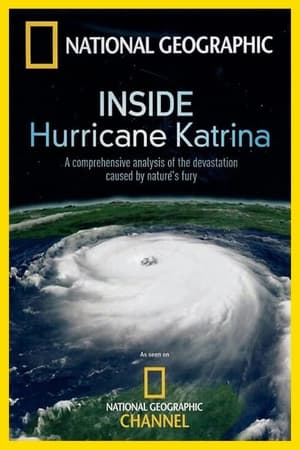
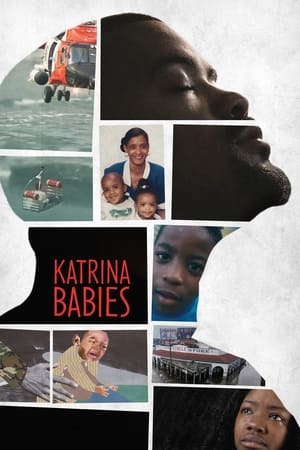
From the creators of critically acclaimed Inside 9/11 comes another powerful journalistic account, Inside Hurricane Katrina. Go beyond the round-the-clock news coverage for a comprehensive look behind the devastation caused by nature's fury and human error. How did this happen? Can it happen again? Why weren't emergency personnel fully ready to respond to a real disaster? Using comprehensive analysis of events, hours of government audio tapes, and personal interviews, National Geographic takes viewers into the eye of Katrina to uncover the decisions and circumstances that determined the fate of the Gulf residents.
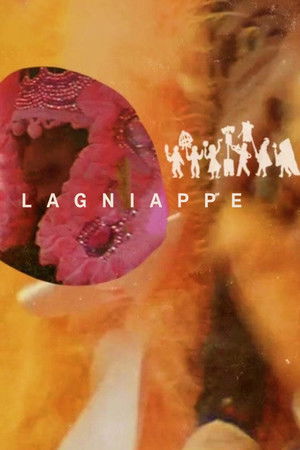
A film created by Les Blank and Maureen Gosling from footage that was cut from the documentary "Always for Pleasure" (1978) about Mardi Gras in New Orleans.
This documentary film includes never-before-seen footage and exclusive interviews to tell the story of Charity Hospital, from its roots to its controversial closing in the wake of Hurricane Katrina. From the firsthand accounts of healthcare providers and hospital employees who withstood the storm inside the hospital, to interviews with key players involved in the closing of Charity and the opening of New Orleans’ newest hospital, “Big Charity” shares the untold, true story around its closure and sheds new light on the sacrifices made for the sake of progress.
The Naked Dance is the first documentary about America's legendary legal red-light district that thrived in New Orleans from 1898 until World War I. Storyville got its name when Alderman Sidney Story attempted to clear up the New Orleans waterfront by restricting prostitution to a specific neighborhood. To his chagrin, the area was dubbed "Storyville," and it was so known until the U.S. Navy closed it for good in 1917.
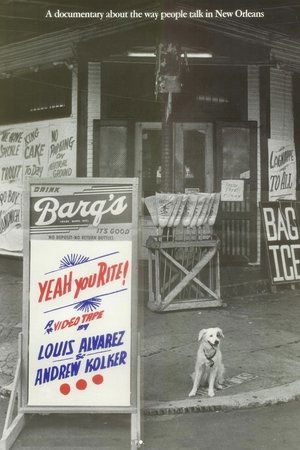
This award winning film is a fast paced, humorous look at the colorful way the residents of New Orleans express themselves - why they talk the way they do, where the words come from, and what it means to talk with a New Orleans accent.
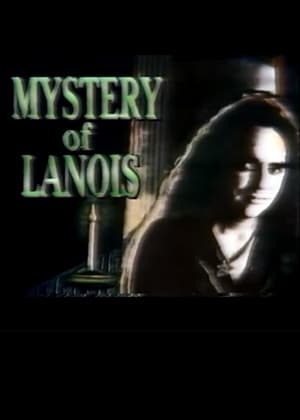
About Daniel Lanois, the Canadian musician and producer, during one of his most productive years in life, living and recording in New Orleans, LA. Daniel Lanois was born in Hull, Quebec. Sept. 19, 1951. His family moved to Hamilton, Ont. in 1963. In 1974 he and his brother Bob built and operated the Grant Avenue Studio, where he produced records by acts such as Martha and the Muffins, Parachute Club, Raffi, and Ian Tyson. In 1989 he released his first solo album, "Acadie". He also produced "Oh Mercy" by Bob Dylan and "Yellow Moon" by The Neville Bros. during the same year.
Take to the streets of New Orleans by horse drawn carriage and visit some of the city's most popular attractions including a stop at Café Dumond, the French Quarter & Jackson Square. At the School of Cooking you'll learn as much about history as you will food. In the evening, Bourbon Street comes alive with jazz musicians and tourists. Journey by rail on the country's oldest streetcars past the elegant and historic mansions of the Garden District. Birdwatchers delight in the Creole Nature Trail where dozens of species of exotic birds can be seen including spoonbills and different types of ibis.
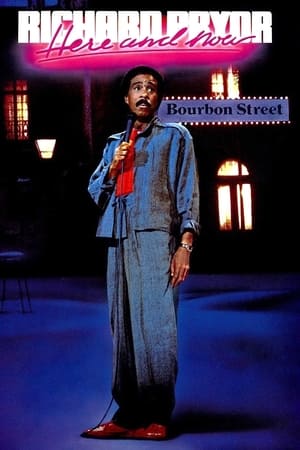
One of comedian Richard Pryor's later stand-up performances. As foul-mouthed as ever, Pryor touches on most of the same topics as in his previous live shows. Filmed at the Saenger Theatre in New Orleans.
The feature-length documentary, TOOTIE’S LAST SUIT explores the complex relationships, rituals, history, and music of New Orleans’ vibrant Mardi Gras Indian culture while telling the story of Allison “Tootie” Montana, former Chief of Yellow Pocahontas Hunters. Celebrated throughout the New Orleans as “the prettiest,” for the beauty and inventiveness of his elaborately beaded Mardi Gras costumes, Tootie Montana masked for 52 years, longer than any other Mardi Gras Indian. Yet Tootie Montana’s contributions to Mardi Gras Indian culture far exceed his artistic innovations and dedication. Through the example of his own achievement, he came to be revered for turning Mardi Gras Indians away from gang-style violence toward artistic accomplishment and competition. In the aftermath of Katrina, TOOTIE’S LAST SUIT bears witness to the Mardi Gras Indians who, in picking up the threads of their torn lives and tradition, are the spiritual healers of New Orleans.
A touching documentary about a city that has lost hope, and about one man's fight to bring it back.
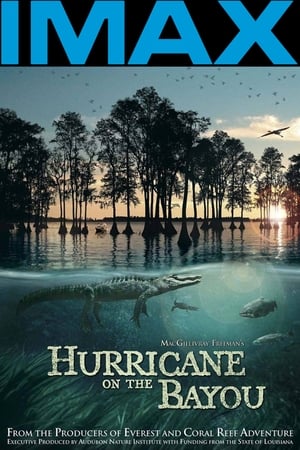
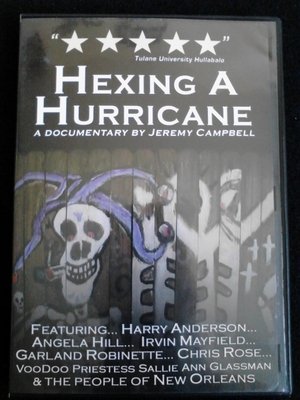
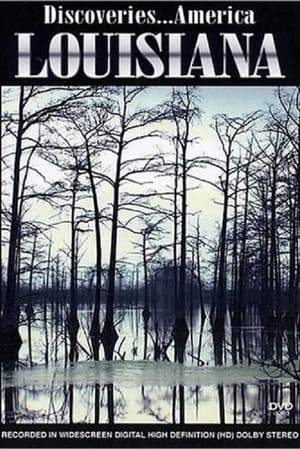
The film "Hurricane on the Bayou" is about the wetlands of Louisiana before and after Hurricane Katrina.
Follows members of the Zulu Club, New Orleans’ first Black Mardi Gras, as they work to bring the Zulu parade back to the streets for Mardi Gras Day 2022, in the face of a global pandemic, hurricane Ida and the loss of members due to COVID and gun violence.
Coast Guard film about the importance of life jackets. Stresses safety in boating and shows how boating accidents can happen.
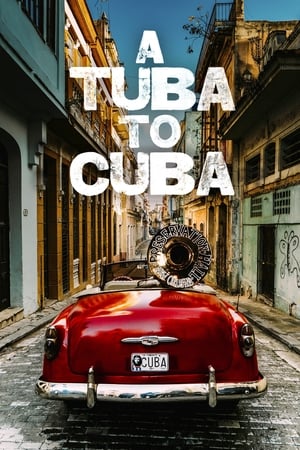
A son seeking to fulfill his late father’s dream takes his band from the storied city of New Orleans to the shores of Cuba, where — through the universal language of music — dark and ancient connections between their peoples reveal the roots of jazz.
The Legendary Soulja Slim is classic footage of the rapper slash gangster showing big guns, dissing record labels, making threats, and ultimately partying until it all caught up with him.
Filmed in roughly one month between the end of October and the beginning of December 2005, the film is an honest portrayal of Jac Currie’s life after Katrina and one of his first trips back to the Gulf Coast after being stranded in New York. It shows Defend New Orleans’ transition to a valid social aid project and documents some of the destruction in New Orleans and on the Mississippi Gulf Coast.
Through the eyes of urban planners, community organizers, displaced youth, immigrant workers, and public housing residents, this verité-style documentary reveals how the story of New Orleans is the story of urban America: how democratic processes can fail us, how economic crisis can pull the rug out from under us, and how (im)migration can prove to be a complicated bargain. As cities all over the world struggle to recover from disaster, whether economic, natural, or man-made, the lessons of post-Katrina New Orleans have only become more urgent.
I Will Keep My Soul is a gathering of encounters and observations, figured in text and image, of Helen Cammock’s experiences in New Orleans. Cammock convenes both contemporary and historical voices—from archivists, artists, writers, and musicians to the protagonists of the civil rights movement—and adds her own through poetry, ceramics, and the sound of her trumpet.
To make the perfect Sazerac combine one part technique, one part interpretation, and a dash of folklore.