How can we harness the power of mushrooms to fight climate change? In the American West, wildfires spread fast. To slow the flames, forest managers are thinning the forests. Cutting down trees. But where does all that wood go? Nearby on the agricultural prairie, soils sit degraded from generations of traditional farming. The soil lacks the organic matter they need to thrive. Could these two challenges provide solutions to each other— with a little help from Mother Nature? Peaks to Prairie is a short film about nature-based climate solutions and how mushrooms can play a key role.
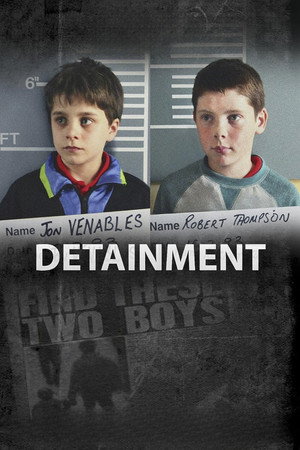
Two ten year-old boys are detained by police under suspicion of abducting and murdering a toddler.
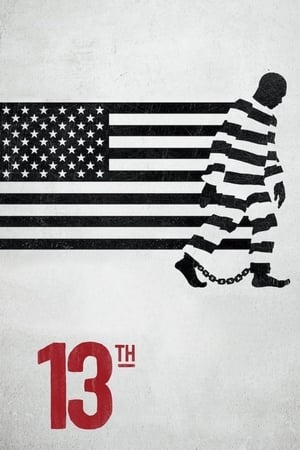
An in-depth look at the prison system in the United States and how it reveals the nation's history of racial inequality.
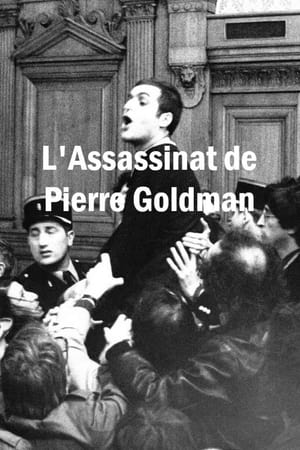
This film attempts to reveal the reasons behind the death of Pierre Goldman and the identities of his murderers. Reviewing each of the unexplained elements surrounding the murder, the director questions friends and witnesses, travels to Venezuela, Guadeloupe, and Poland and uncovers certain rare archives. In so doing, he illuminates the many shadow zones of an unusual personality, symbol of a generation who thought to change to world. 30 years later, will this film disentangle the complex web of an unsolved mystery?
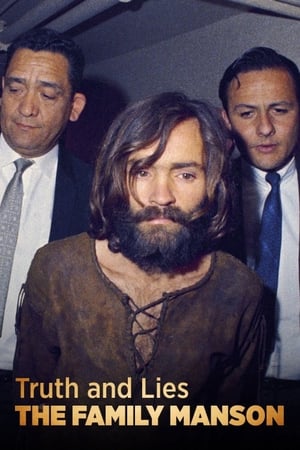
ABC retells the dark, disturbing story of Manson — and his twisted cult of devoted followers he instructed to carry out a series of grisly homicides in 1969. In this two-hour documentary.
She is a full-length documentary about writer Aimée Baker and her award-winning poetry collection Doe. Doe is her quest to give voice to the missing and unidentified women of the United States.
The unsolved rape, mutilation and murder of young G.I. Darlene Krashoc has haunted Joe Kenda in the years since he turned in his gun and badge. Until a crack team of cold case cops uses Kenda’s groundwork to set a trap for a monster hiding in plain sight.
Charlie Cullen was an experienced registered nurse, trusted and beloved by his colleagues at Somerset Medical Center in New Jersey. He is also one of history’s most prolific serial killers, with a body count potentially numbering in the hundreds across multiple medical facilities in the Northeast.
Police bodycam footage reveals how a long-running neighborhood dispute turned fatal in this documentary about fear, prejudice and Stand Your Ground laws.
On the 14th February 1988, Butetown Police discover the body of a local girl near Cardiff.
Robert Oppel's documentary about the life and murder of his uncle and namesake, Robert Opel, the man who streaked the Academy Awards in 1974.
The unsolved murders of Tupac Shakur and Christopher "Biggie Smalls" Wallace still stir the public's imagination after 20 years. Yet law enforcement has been at a standstill to produce results. The producers of "American Federale" and the first two "Assassination" films, finally unravel the tangled cases and expose not only who may have done it, but also why these cases have never seen justice. Battle For Compton" is the story of "The Machine"; a group of high powered individuals with a very dark secret they killed to keep, and have spent the last 20 years hiding- hoping one day it will all go away- before they do.
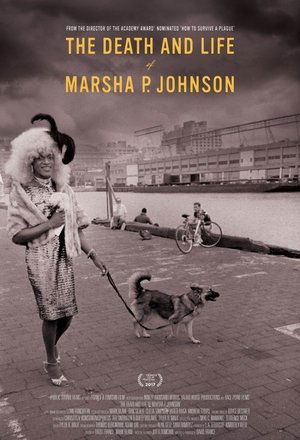
Describing herself as a 'street queen,' Johnson was a legendary fixture in New York City’s gay ghetto and a tireless voice for LGBT pride since the days of Stonewall, who along with fellow trans icon Sylvia Rivera, founded Street Transvestites Action Revolutionaries (S.T.A.R.), a trans activist group based in the heart of NYC’s Greenwich Village. Her death in 1992 was declared a suicide by the NYPD, but friends never accepted that version of events. Structured as a whodunit, with activist Victoria Cruz cast as detective and audience surrogate, The Death and Life of Marsha P. Johnson celebrates the lasting political legacy of Johnson, while seeking to finally solve the mystery of her unexplained death.
Over three nights in April 1922, 13 men were murdered in west Cork, because, according the late Canadian historian Peter Hart, they were Protestants. This documentary goes to the root of the bitter dispute his controversial views have created.
Rosa is a Mexican woman who, at the age of 17, migrated illegally to Austin, Texas. Some years later, she was jailed under suspicion of murder and then taken to trial. This film demonstrates how the judicial process, the verdict, the separation from her family, and the helplessness of being imprisoned in a foreign country make Rosa’s story an example of the hard life of Mexican migrants in the United States.
“The Making of Justice” is a movie about seven prisoners working on the scenario for a crime film together with Sarah Vanhee. Like the main character in the film they are making up, they are all guilty of murder. To shape the story, they draw on their own experiences, ideas and desires. We, the viewers, can only guess whether they are using fiction as a means of confirming, transcending or transforming their present situation.
The story of how police repeatedly allowed a serial murderer to slip through their fingers. Stephen Port date-raped and murdered four young gay men in East London within fifteen months and dumped all four bodies within a few hundred metres of each other. The film tells the story through eyes of the families of Port's victims, unpicking how the police failed to properly investigate each of the deaths in turn. The police's assumptions that these young gay men had died from self-inflicted overdoses of chem-sex drugs allowed Port to continue raping and killing innocent young men.
In 1967 Canadian filmmaker Hugh O'Connor came with a crew to eastern Kentucky to make a film showing people from all walks of life in the United States. They finished the day by filming coal miners and their families in rental houses. As the filmmakers were leaving, Hobart Ison, the owner of the property, drove up and fired three shots, killing Hugh O'Connor. Elizabeth Barrett, from Kentucky herself, explores why this happened by trying to understand the people and culture of eastern Kentucky.
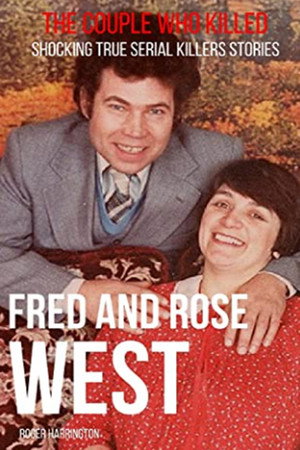
In 1994, police dug up the bodies of nine young women from the home of Gloucester builder Fred West and his prostitute wife Rose. Police tapes, never disclosed at the time, reveal how Fred West had begun a series of shocking confessions after the severed corpse of his teenage daughter, Heather, was found under the patio of their Cromwell Street home. West's seemingly normal home movies record how he turned the family home into a brothel for his wife Rose, as his children played downstairs.
Scott Panetti was tried for the capital murder of his parents-in-law on September 8, 1992 in Gillespie County, Texas. He was subsequently sentenced to death on September 22, 1995. Panetti has an extensive history of mental illness, including schizophrenia, manic depression, auditory hallucinations and paranoia. Panetti was hospitalized, both voluntarily and involuntarily for mental illness fourteen times in six different hospitals before his arrest for capital murder in 1992. Following his conviction, Panetti’s former wife, and daughter of the victims, Sonja Alvarado, filed a petition stating that Panetti never should have been tried for the crimes as he was suffering from paranoid delusions at the time of the killings.