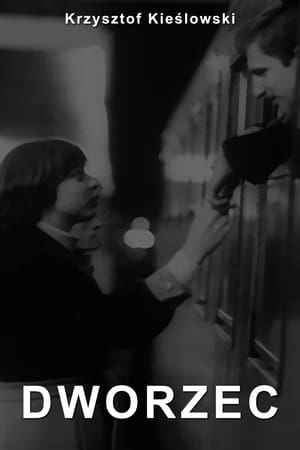
Warsaw's Central Railway Station. 'Someone has fallen asleep, someone's waiting for somebody else. Maybe they'll come, maybe they won't. The film is about people looking for something.
A man ventures out into the streets of a pandemic-ridden London.
Clouds 1969 by the British filmmaker Peter Gidal is a film comprised of ten minutes of looped footage of the sky, shot with a handheld camera using a zoom to achieve close-up images. Aside from the amorphous shapes of the clouds, the only forms to appear in the film are an aeroplane flying overhead and the side of a building, and these only as fleeting glimpses. The formless image of the sky and the repetition of the footage on a loop prevent any clear narrative development within the film. The minimal soundtrack consists of a sustained oscillating sine wave, consistently audible throughout the film without progression or climax. The work is shown as a projection and was not produced in an edition. The subject of the film can be said to be the material qualities of film itself: the grain, the light, the shadow and inconsistencies in the print.
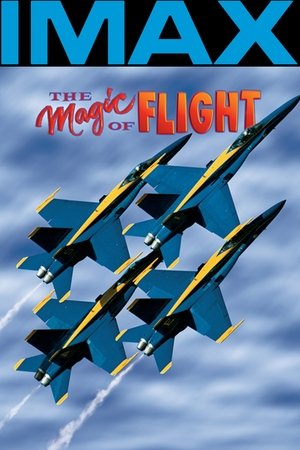
Take a technological thrill ride The Magic of Flight takes you on a technological thrill ride faster, higher and wider than modern science or even your imagination! Relive the first flight of the Wright Brothers, then soar with the Blue Angels as they defy the laws of gravity. Narrated by Tom Selleck.
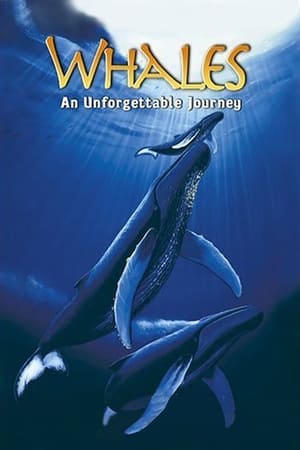
Scientists visit the remote surface and undersea locations to study various species of whales in their natural habitat.
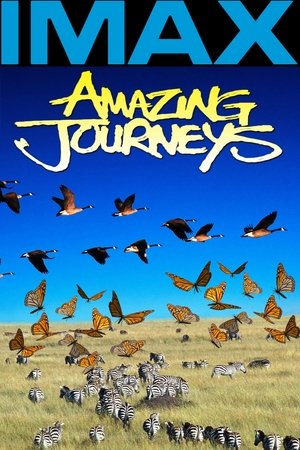
By land, by air, and by sea, viewers can now experience the struggle that millions of creatures endure in the name of migration as wildlife photographers show just how deeply survival instincts have become ingrained into to the animals of planet Earth. From the monarch butterflies that swarm the highlands of Mexico to the birds who navigate by the stars and the millions of red crabs who make the perilous land journey across Christmas Island, this release offers a look at animal instinct in it's purest form.
Spains Worst Rail Disaster
Mikado
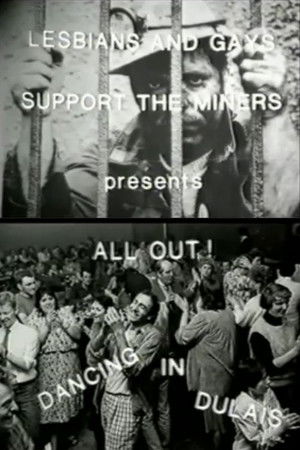
Dancing in Dulias was made by members of Lesbians and Gays Support the Miners (LGSM) and Lesbians Against Pit Closures during and immediate after the 1984/85 minders strike. Like the forthcoming movie, Pride, it documents the interactions between lesbians and gay men and the miners and their families in Dulais in South Wales - only this time it's the real thing. As well as some memorable footage that includes the Blaenant Lodge banner leading the 1985 Lesbian and Gay Pride march and LGSM members struggling with bingo at the local community hall, the film documents the wider political impact of this seemingly unlikely alliance. (cont. http://www.cambridgefilmfestival.org.uk/films/2014/dancing-in-dulais#sthash.HScQCj7E.dpuf)
An intimate insight into the servant culture and lifestyle of the Viceroy of India and family, as they visit Simla (Shimla) and Lahore.
The story of the railroad man in his role in keeping the trains moving on the rails.
The story of the railroad in Illinois and the train's role in moving product out of the states to the rest of America.
The sory of the railroad's roll in getting beef to your local market
A Union Pacific production outlining the Big Boy locomotive and the history of the last great steam engine to rule the rails
"All sounds travel in waves much the same as ripples in water." Educational film produced by Bray Studios New York, which was the dominant animation studio based in the United States in the years surrounding World War I.
This large format film explores the last great wilderness on earth. It takes you to the coldest, driest, windiest continent, Antarctica. The film explores the life in Antarctica, both for the animals that live their and the scientist that work there.
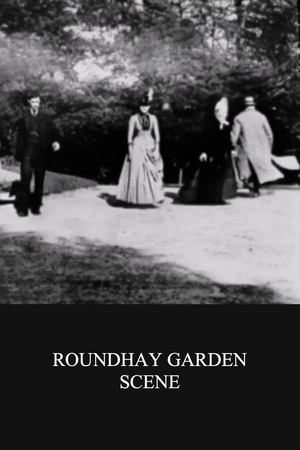
The earliest surviving motion-picture film, and believed to be one of the very first moving images ever created, was shot by Louis Aimé Augustin Le Prince using the LPCCP Type-1 MkII single-lens camera. It was taken on paper-based photographic film in the garden of Oakwood Grange, the Whitley family house in Roundhay, Leeds, West Riding of Yorkshire (UK), on 14 October 1888. The film shows Adolphe Le Prince (Le Prince’s son), Mrs. Sarah Whitley (Le Prince’s mother-in-law), Joseph Whitley, and Miss Harriet Hartley walking around in circles, laughing to themselves, and staying within the area framed by the camera. Roundhay Garden Scene is often associated with a recording speed of around 12 frames per second and runs for about 2 to 3 seconds.
Director Agnès Varda and photographer/muralist JR journey through rural France and form an unlikely friendship.
A documentary about a 15-day river-rafting trip on the Colorado River aimed at highlighting water conservation issues.
This film shows how far we have come since the cold-war days of the 50s and 60s. Back then the Russians were our "enemies". And to them the Americans were their "enemies" who couldn't be trusted. Somewhere in all this a young girl in Oklahoma named Shannon set her sights on becoming one of those space explorers, even though she was told "girls can't do that." But she did.