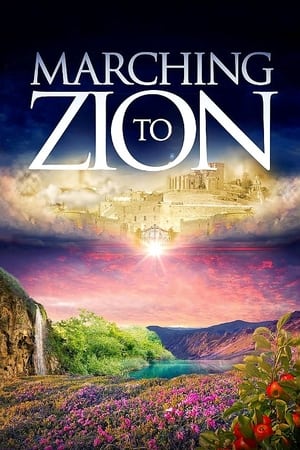
Documentary tracing the history of the Jewish people from the destruction of the temple in AD 70 to the modern-day nation of Israel. Through scriptural and historical evidence, DNA, mathematics, and testimony from rabbis and pastors, it attempts to answer the question, "Who are God's chosen people?".
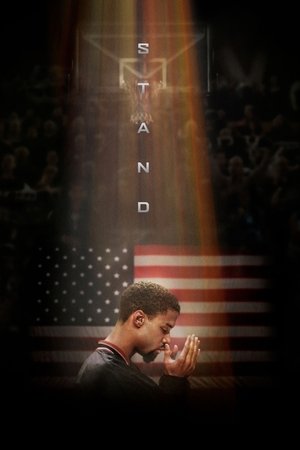
Raw and unflinching examination of the courageous life of basketball star and social justice activist Mahmoud Abdul-Rauf. Born Chris Jackson, he overcame tremendous adversity to reach the NBA and found his true calling when he converted to Islam. His decision not to stand for the national anthem, however, turned him from prodigy to pariah. Told candidly by Abdul-Rauf himself more than 20 years later it’s the remarkable story of one man who kept the faith and paved the way for a social justice movement.
One who doesn't have roots won't be able to grow wings-a documentary project about a man tracking his origins to the Middle East and establishing a connection with his father, whom he have never met before.
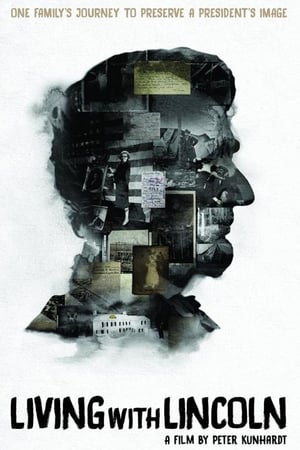
Filmmaker Peter Kunhardt examines how a one-of-a-kind collection of Abraham Lincoln photos and memorabilia have profoundly shaped the lives and sensibilities of five generations of his family.
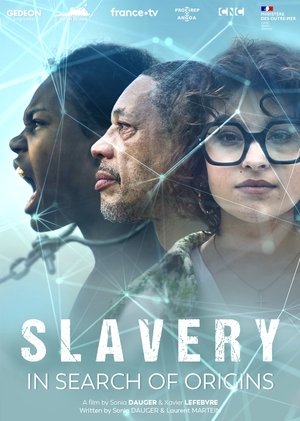
Aux origines, l'esclavage
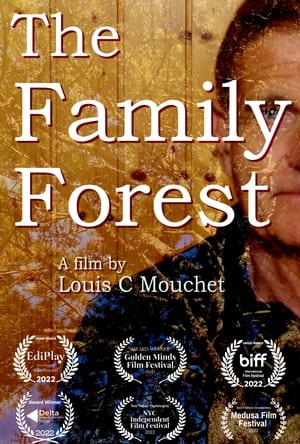
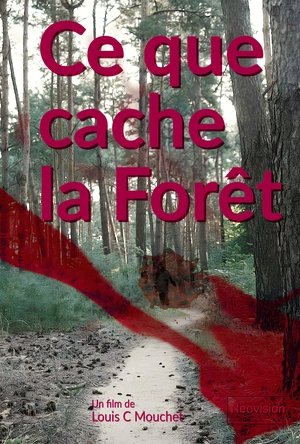
CE QUE CACHE LA FORÊT (What the Forest conceals) explores the invisible inheritance we carry within us: that of the family unconscious passed down from generation to generation. Personalities as varied as psychologist Anne Ancelin Schützenberger, systemic therapist Bert Hellinger and artist Alexandro Jodorowsky have, each in their own way, revealed the existence of these unresolved stories that profoundly influence our lives. Today, epigenetic research confirms that trauma can mark our genome, and be passed on beyond those who experienced it. But how do these memories get inscribed in us? How can they be recognized, overcome and healed? Filmmaker Louis Mouchet shares his own journey through this deeply personal film. This process was nourished by : The making of and follow-up to the film La Constellation Jodorowsky, An introspective dive triggered by the death of his mother and the simultaneous birth of his first child, A powerful session with Romanian therapist Cristina Schmidt.
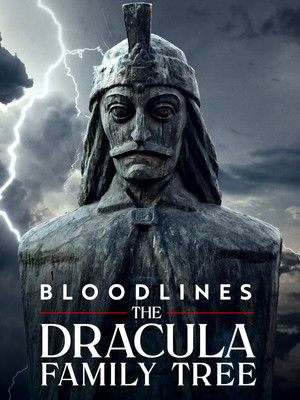
Almost 30 years ago, two scholars from Boston revealed the historical truth behind the legendary vampire known as Dracula. For the first time, their 15-year research demonstrated the link between Bram Stoker's infamous vampire and a 15th century prince named Vlad Tepes, or "Vlad the Impaler."
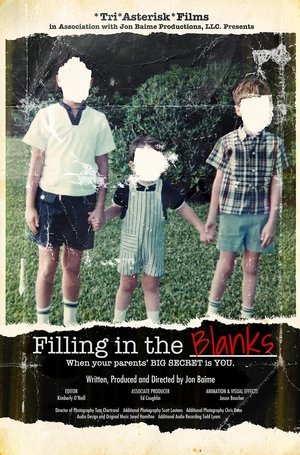
Where do I come from? For some, the question has a simple answer -- for others, the truth can be much more complicated. With the rise in popularity of at-home DNA tests, it's now easier than ever for people to uncover their family history and, sometimes, things their parents wish would stay buried. Interested in learning more about his family heritage, director Jon Baime took an at-home DNA test and uncovered a family secret that has been hidden for half a century. Featuring in-depth interviews with Jon's siblings as well as a treasure trove of family photos and films spanning 70 years, FILLING IN THE BLANKS takes audiences on a journey as Jon explores the meaning behind his discovery and expands on what it means to be family.
Epigenetics and psychogenealogy through a VERY personal experience.
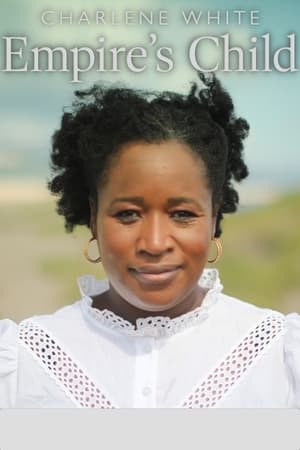
Charlene White embarks on a deeply personal journey to uncover the roots of her connection to the British Empire in a bid to find out if we can ever truly emerge from its shadow. Charlene travels across Britain and Jamaica on a genealogical journey to investigate her own heritage and the relationship between the Empire and her family. By piecing together broken familial records and going back in time to the very start of the British Empire, she makes some surprising discoveries about how the British Empire has shaped her family’s lives and asks what it is to be Black and British.
L'Edit de Nantes ou la paix civile
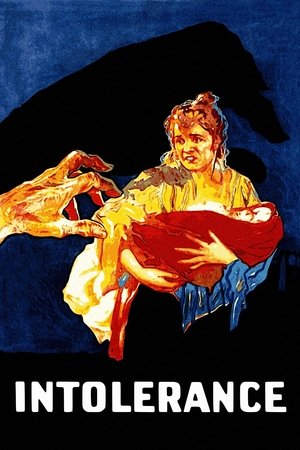
The story of a poor young woman, separated by prejudice from her husband and baby, is interwoven with tales of intolerance from throughout history.
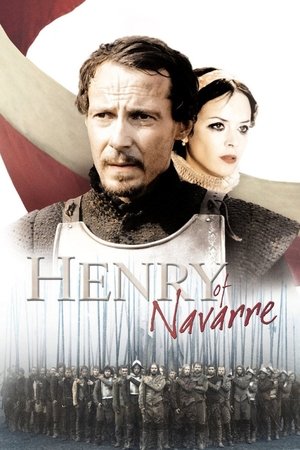
A wide-ranging, energetic period piece tracing the rise of the Protestant Henry of Navarre as he goes from battlefield warrior to France's beloved King Henri IV. Director Jo Baier's epic is a classically entertaining adventure, albeit one with more than a little bloodshed and frequent bawdy sexual interludes. In late 16th-century France, Catholics and Protestant Huguenots were at war. Seemingly seeking peace, the French dowager queen, Catherine de Medici summons Henry to her court to have him marry her daughter, uniting the two warring factions. However, the Catholics slaughter the Protestant wedding guests in what became known as the St. Bartholomew's Day massacre and Henry-now married-must use all his guile to both stay alive and maneuver for the throne. [Written by Palm Springs International Film Festival]
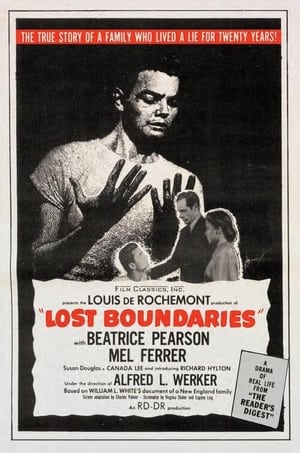
A light-skinned African-American family are "passing" in an all-white New England town. When the truth comes out, the more prejudiced neighbors demand their expulsion from the community.
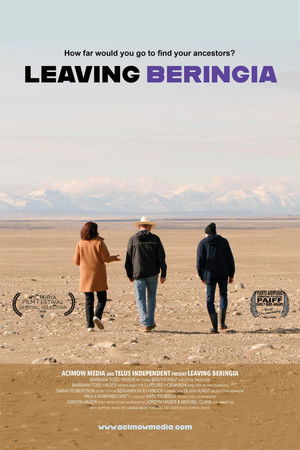
In her search to find the stories of her ancestors' origins, Metis/Cree filmmaker Barbara Todd Hager travels to eight of the oldest Indigenous sites in the Americas to find a connection between origin stories and scientific research.
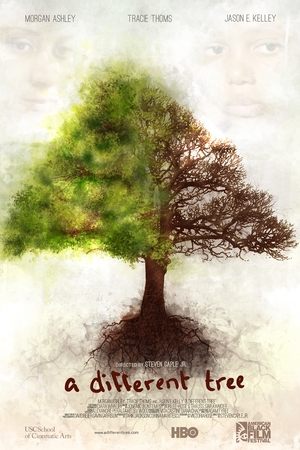
An eight-year-old girl tries to build a relationship with her absent father through a class-assigned family tree.
Timo Novotny labels his new project an experimental music documentary film, in a remix of the celebrated film Megacities (1997), a visually refined essay on the hidden faces of several world "megacities" by leading Austrian documentarist Michael Glawogger. Novotny complements 30 % of material taken straight from the film (and re-edited) with 70 % as yet unseen footage in which he blends original shots unused by Glawogger with his own sequences (shot by Megacities cameraman Wolfgang Thaler) from Tokyo. Alongside the Japanese metropolis, Life in Loops takes us right into the atmosphere of Mexico City, New York, Moscow and Bombay. This electrifying combination of fascinating film images and an equally compelling soundtrack from Sofa Surfers sets us off on a stunning audiovisual adventure across the continents. The film also makes an original contribution to the discussion on new trends in documentary filmmaking.
When Forgotten Silver — the story of pioneer filmmaker Colin McKenzie — unspooled on 29th October 1995, in a Sunday TV slot normally reserved for drama, many believed the fable was fact. Controversy ensued as a public reacted (indignant, thrilled) to having the wool pulled over their eyes. Costa Botes, who originated the mockumentary, later made this doco, looking at the construction of McKenzie's epic, tragic, yet increasingly ridiculous story. He interviews co-conspirator Peter Jackson and other pranksters, and they muse on the film's priceless impact.
The intention of the film is to give an impression of what small exotic Denmark looks like, what the strange Danes look like and how they are. Nearly 100 Danes are presented in the film, amongst them a racing cyclist, a Minister of Finance, a popular actor and 13 unmarried women from a provincial town. "There is too much fogginess and rain and melancholy in most of the pictures of Denmark," says Jørgen Leth. "But not in my film. I would like to show you some authentic, clear and beautiful pictures from this strange country."
Poet-filmmaker Jørgen Leth taps his own earliest inspirational veins by free-floating through a camera/microscope-enhanced set of poems with love as their first and final subject. For example, how a tropical island woman prepares for a meeting with her lover. The film was shot partly in the South Pacific with more than a nod to social anthropoliogist B. Malinowski's historical work The Sexual Life of Savages.