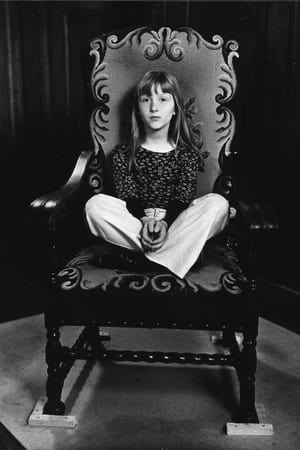
Residents of the same street in Haarlem, and acquaintances and relatives of Kees Hin, together tell the story of Little Red Riding Hood, each in fifteen words.
Metropia
An experimental video essay which uses circles and waves to explore neurodivergent experience.
Amie Siegel’s film installations often reveal the hidden narratives behind architecture and design, investigating the mechanisms by which objects, materials, and spaces accrue meaning and value. The Architects examines the processes of architectural creation, using the artist’s signature slow, parallel tracking shots to offer insight into the inner workings of multiple architecture firms, slicing through them laterally like an architect’s section plan... Siegel not only punctures the myth of the singular “master architect” but also poses questions around creative autonomy, the sociopolitics of labor, and the circulation of capital. (Source: MoMA)
A girl reads during a bus ride
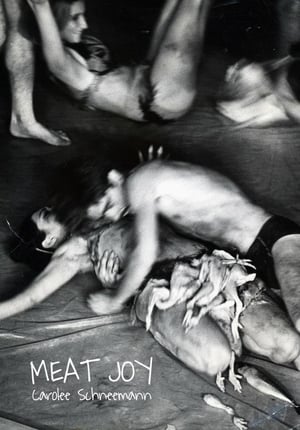
"Meat Joy is an erotic rite — excessive, indulgent, a celebration of flesh as material: raw fish, chicken, sausages, wet paint, transparent plastic, ropes, brushes, paper scrap. Its propulsion is towards the ecstatic — shifting and turning among tenderness, wildness, precision, abandon; qualities that could at any moment be sensual, comic, joyous, repellent. Physical equivalences are enacted as a psychic imagistic stream, in which the layered elements mesh and gain intensity by the energy complement of the audience. The original performances became notorious and introduced a vision of the 'sacred erotic.' This video was converted from original film footage of three 1964 performances of Meat Joy at its first staged performance at the Festival de la Libre Expression, Paris, Dennison Hall, London, and Judson Church, New York City."
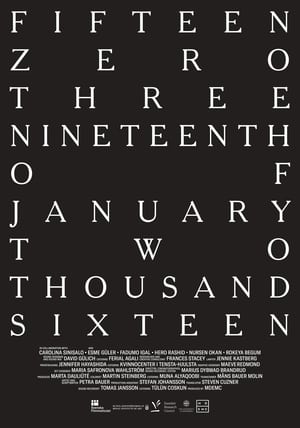
fifteen zero three nineteenth of january two thousand sixteen explores how everyday routines and gestures are transformed when a mother loses her child in the violence impacting Swedish outskirts since the early 2000s. The film resists simplistic media depictions of the suburbs and shows how a home can hold both mourning and the mobilization of women to fight for their own and others' children.
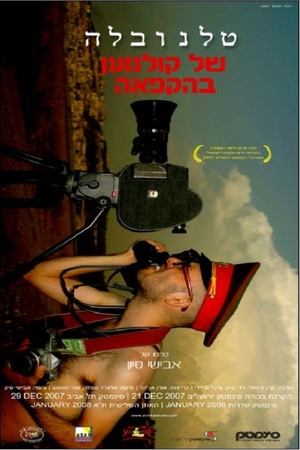
"Soap Opera of a Frozen Filmmaker" project is a series of seven episodes of cinematic diaries. It is the unique point of view of an anonymous artist whose entire essence of existence is to make films, but he is rejected on every front time after time. During the process he ponders his life as an artist, the nature of material society and life in general, in which his owm life eventually become a tragedy.
C+M, for YK. Subtractive colour blending is used in an attempt to conjure Yves Klein's 'L'accord bleu (RE 10)', 1960. The limitations imposed by media and technology ensure that my perfect pigment never is, and that what is produced is ephemeral, declarative, and reverent of the impure. Laser printed onto recycled 16mm film in 2014.
Symphonic documentary exploring the Miami identity in six movements. It was performed and projected live by the New World Symphony, led by Michael Tilson Thomas on Feb 22, 2018. The film is made up of five separate and synchronized video channels, projected onto the walls of the New World Center concert hall, above a full symphony orchestra.
Hand processed expired Kodak 7291, Camera: Beaulieu R16, Lens: Angenieux 12-120mm with +3 Diopter, Polarising filter for the clouds. Hand processed in C-41 chem using a Lomo UPB-1A tank. Still haven't mastered removal of the rem-jet anti-halation layer (thats all the white 'static' on the film). The film expired about 40 years ago.
This experimental short traces the lifespan of the graffiti and murals present at the occupation of NYC’s City Hall in June and July of 2020. The encampment formed to demand the abolishment of the NYPD and the reallocation of its resources to housing, education, and other social programs.
a sensorial journey on a scottish island reminding us of the connection between the living questioning our relationship to the sea and to the land
A solo audiovisual performance. Eighth entry into deeply beguiling series of works responding to the Alps acted as the closing night event of Alchemy Film Festival. The images are studies of the Alps degraded and distorted live at the front of the auditorium; the picture pixelated, streams of colour engulfed the screen like a crashed desktop, and as hawks hovered over the mountains they left staggered trails of glitches across the screen like computerised vapour trails. The audio was also created live using short atonal precomposed tracks. The aim was to create a digital alchemy, an abstracted journey into the mountains, a wild wonder inside and out.
A poetic story of a proletarian couple’s relationship during the years of economic crisis and unemployment – of all the films directed by E. F. Burian, the film Chceme žít (We Want to Live, 1949) is probably his worst. The intention to create a powerful work of cinema that would combine modern means of expression with the ideological canons of socialist realism failed completely. Ježek and Tarnovski discovered these „shambles“ and tried to rebuild a structure out of the hopelessness and futility of life. Ježek has photochemically “transcribed” selected passages with the greatest possible degree of humility towards the work of the great avant-gardist, Tarnovski similarly makes the soundtrack visible. The improvised encounter of sound and image in dialogic mode can lead to various misunderstandings resulting in ambiguous compromise.
AGULHA
This short experimental diary film reveals my struggles with mental illness in my adolescence and queer adulthood while simultaneously reflecting upon my joyous childhood experiences. I investigate when and how my depression began and explain that my relationships with the people I love have supported me through my harder times. The film incorporates footage shot over May and June 2023 and archival home videos. Overall, I aim to resolve my "growing pains" through the medium of diary film and by reconnecting with my younger self.
Celina y Chichi
Seven actors are brought to an isolated house where they must stay in character for three days under constant surveillance.
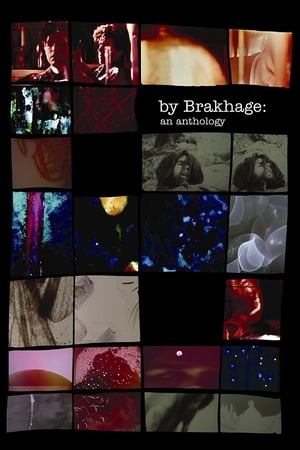
Working completely outside the mainstream, the wildly prolific, visionary Stan Brakhage made more than 350 films over a half century. Challenging all taboos in his exploration of “birth, sex, death, and the search for God,” he has turned his camera on explicit lovemaking, childbirth, even autopsy. Many of his most famous works pursue the nature of vision itself and transcend the act of filming. Some, including the legendary Mothlight, were made without using a camera at all, as he pioneered the art of making images directly on film, by drawing, painting, and scratching.