Homelessness in the United States takes many forms. For Elizabeth Herrera, David Lima and their four children, housing instability has meant moving between unsafe apartments, motels, relatives’ couches, shelters, the streets and their car. After 15 years of this uncertainty, the family moved into their first stable housing — an apartment in the San Francisco Bay Area — in the midst of the coronavirus pandemic.
Tom Hornets follows a former forensics photographer haunted by the images of his past, searching for a fresh start but soon entangled with Curtis Dombroski, a ruthless slumlord thriving amid Canada’s collapsing housing system. Set against the backdrop of a widening wealth gap and a culture adrift in apathy and disconnection, the film captures the quiet desperation of those priced out of stability as Tom uncovers the systemic greed and corruption that allow people like Dombroski to prosper, revealing a society where the dream of homeownership has become a haunting illusion.
Five floors. Forty apartments. Rats, leaks and debts. In Pantin, I live in a building with a danger order. Under court order, we have to renovate it. Between Dantesque arguments, missing money and humor as a fire extinguisher, I film our collective rescue.
Located in Carcavelos, Quinta Nova de Santo António, or Quinta dos Ingleses, as it is recognized by the population, shelters a small community of people affected by the housing crisis. Natives and immigrants, deprived of a roof over their heads, carry on with their lives in search of better opportunities and a breeze of change. Guided by residents' voices, this documentary is based on the adaptability of human beings in the face of life's adversities and their constant pursue of happiness.
Too many stories can tell the horrible consequences of the housing crisis. Those of Jeannette and Frances make us feel the difficult experience of eviction. During long months of anguish, brief hopes and uprooting, Jeannette and Frances struggle, alone and surrounded, against a phenomenon that is becoming more and more pronounced: losing your home.
Successfully completed your studies - now what? Raffly already has a lucrative job offer from a large German company, but neither an apartment nor a work permit.
Cambada
Logement Etudiant : Mission Impossible
Chronicles the modern-day David and Goliath tale amidst North America's housing crisis. During the pandemic, Khaleel Seivwright, a young Toronto carpenter, builds life-saving shelters for unhoused people facing the winter outside. His actions attracted international acclaim but also staunch opposition from the city government, portraying a compelling narrative set against the backdrop of societal challenges and governmental resistance.
A love letter to a place that will forever be home, a visual ode, and a farewell to a neighborhood that is rapidly changing due to the forces of gentrification and Miami’s housing crisis.
Jaiden van Bork examines both the mythology and reality of Cape Cod, Massachusetts, seeking to unravel the difficult questions that face the coastal community today as it confronts a barrage of overtourism and a subsequent housing crisis that has left locals scrambling to keep their feet planted in the sand. Weaving a personal chronicle of childhood on Cape Cod with the voices of local artists, fishermen, and hospitality workers, the film channels the eerie realities of small town America, posing new questions about identity and memory.
Choosing hope over despair, Berliners are banding together to get their houses back from big investors. [...] This documentary film follows five Berlin citizens of different backgrounds, countries, and diverse stories. They find themselves among almost two thousand similarly dedicated people to fight together for one cause. While their personal motivations differ, they all believe they can convince Berlin that the only way to make housing affordable again is to drive real estate companies out of their city. The stakes are high, the movement is strong. But with almost nothing in their hands, they have to prevail against an overwhelming opposition of the real estate lobby and politicians willing to sell out the city they call home.
Chronicling the events surrounding the protests generated by the proposed redevelopment of an empty lot at 105 Keefer St., located at the heart of Vancouver's Chinatown.
These are the future leaders of their communities. Ever wonder what it’s like to walk a day in their shoes? How the world looks through their eyes? We were curious. So, we asked them.
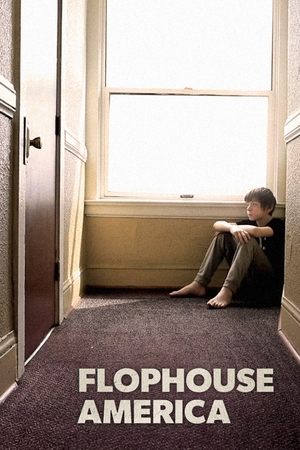
Because of the big housing problem in the US many people move into cheap, run down hotels, the so-called Flophouse hotels. Twelve-year-old Mikal was born and raised in a hotel room he shares with his parents, who struggle with substance abuse. Driven by love and a desire for a better life, his greatest wish is for his mother to stop drinking. Mikal is bright and articulate, but his parents’ struggles prevent them from giving him the stability he needs. Through Mikal’s perspective, the film paints an intimate portrait of resilience, hope, and the harsh realities of life on society’s margins.
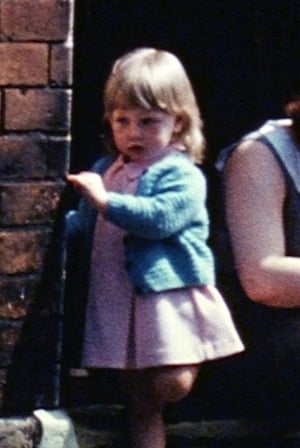
Between 1968 and 1970, J M Goodger, a lecturer at the University of Salford, made a film record of the living conditions in the slums of Ordsall, Salford, which were then in the process of being demolished. Under the title 'The Changing face of Salford', the film was in two parts: 'Life in the slums' and 'Bloody slums'.
Cranes and Voices follows, on one side, people who hear voices and share their daily lives, and on the other, a collective of tenants who investigate their neighbourhood through its noises, its vibrations and its construction sites. The film moves through apartments, streets, meetings and moments of sound creation, where voices, urban noises and recorded materials are transformed into collective sound compositions and spaces for exchange. Sound appears here as an ambivalent force, at once invasive and generative, shaping the way we inhabit the city, other people and ourselves. Cranes and Voices invites us to pay attention to these singular listening experiences, to hear what they reveal about the housing crisis, about how mental health is viewed and about the ways we organise our shared spaces.
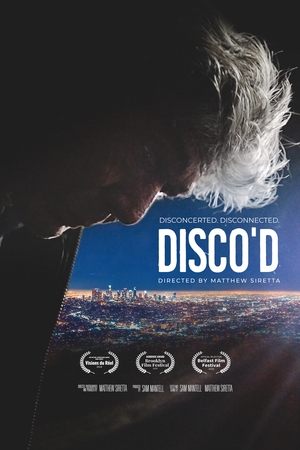
“Set against the rattle of shopping carts and the white noise of L.A. traffic... “Disco’d” is an unvarnished, moving look at the lives affected by the rising crisis of homelessness.” —Los Angeles Times
Todo por la casa
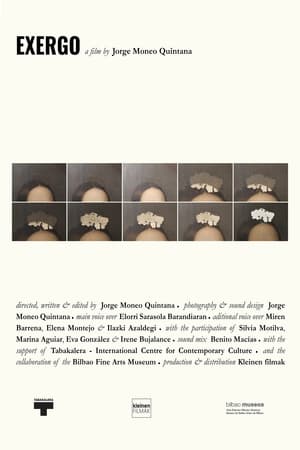
Departing from peripheral details of some paintings of the Bilbao Fine Arts Museum, a female narrator unravels several stories related to the economic, social and psychological conditions of past and current artists.