À nos terres : Autonomia paisana
A Cow at My Table explores Western attitudes towards farm animals and meat, and the intense battle between animal advocates and the meat industry to influence the consumer's mind. Five years in production took Director Jennifer Abbott across Canada, the US, Australia and New Zealand to meet with the leaders of the animal rights movement, animal welfare advocates as well as spokespeople from livestock industries. A Cow at My Table inter-cuts these diverse perspectives with archival films, images from modern-day agribusiness and footage of farm animals shot from uncharacteristic vantage points.
Banlie.ue
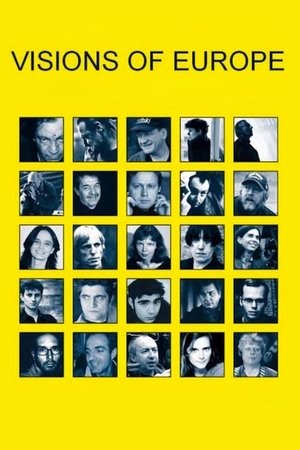
Twenty-five films from twenty-five European countries by twenty-five European directors.
Exclusive access to chief diplomat of the EU Federica Mogherini as Europe faces a crumbling world order.
Increase of chronic diseases, loss of biodiversity, extinction of bees... for a few years, the consequences of pesticides mass use are compelling public opinion. How to explain their effects on human health and biodiversity, whereas EU regulations forbid the spread of every harmful product ?
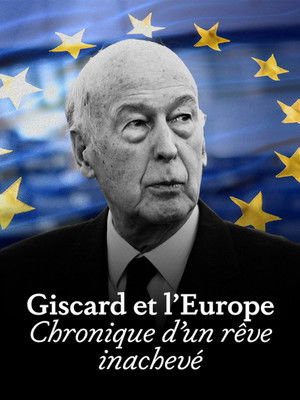
Maastricht, 30 ans après
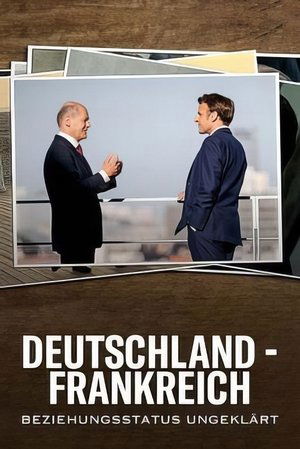
Sixty years after the signing of the Élysée Treaty, which opened an unprecedented era of cooperation between the two countries, how is the Franco-German tandem doing? An enlightening assessment, at a time when the war in Ukraine is shaking the world order.
Belfast-born actor Stephen Rea explores the impact of Brexit and the uncertainty of the future of the Irish border in a short film written by Clare Dwyer Hogg.
This documentary follows Danish prime minister Anders Fogn Rasmussen in the fall of 2002, during Denmark's Presidency of the Council of the European Union. He negotiates the expansion of the EU in Eastern Europe.
Follows the lead up to the selection of the European Council's first President.
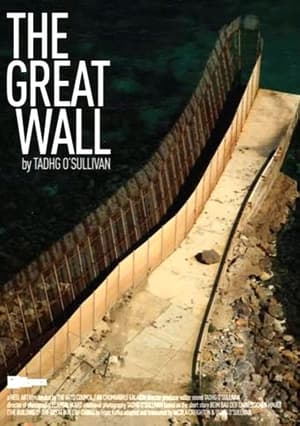
‘The Great Wall has been completed at its most southerly point.’ So begins Kafka’s short story ‘At the Building of the Great Wall of China’, and so, at Europe’s heavily militarised south-eastern frontier, begins this film. In the shadow of its own narratives of freedom, Europe has been quietly building its own great wall. Like its famous Chinese precursor, this wall has been piecemeal in construction, diverse in form and dubious in utility. Gradually cohering across the continent, this system of enclosure and exclusion is urged upon a populace seemingly willing to accept its necessity and to contribute to its building.
Sheds light on an alternative approach to farming called “regenerative agriculture” that could balance our climate, replenish our vast water supplies, and feed the world.
Documentary on water usage, money, politics, the transformation of nature, and the growth of the American west, shown on PBS as a four-part miniseries.
Is our food bought at the price of famine in the developing world? Is agribusiness more interested in producing profits than producing food? This PBS independent documentary investigates U.S. and European agribusiness in the Third World. Filmed on five continents, it takes a close look at agribusiness, which is turning the world's food supply into a global supermarket, buying food at the lowest prices-regardless of small farmers and local populations-and selling it at the highest price and the greatest profit whenever possible.
Living among the percebeiros of the Coast of Death (Galicia), this documentary shows a unique relationship between man and his surroundings, man and the sea. At the end of Europe, years after the Prestige oil spill disaster, these fishermen face an uncertain future.
Thoughts of a diversity of public and private citizens on the virtues of democracy, its faults, its decadence, its fall and the rise of populism.
The Kremlin's strategy consists of infiltrating positions of power throughout Europe and securing the services of individuals who are more or less aware of what is going on. The first part of this investigation looks at how European decision-makers fell headlong into the trap that had been set for them.
The story of Dr. George Washington Carver (1864-1943), black educator and horticulturist. He is perhaps most well known for developing over 140 products from all parts of the peanut plant, including the shells and husks. He also developed products based on sweet potatoes and soybeans, and developed a cotton hybrid that was named after him.
Since 2015, the Landless Workers Movement has been occupying an indebted sugarcane factory's land to press for its redistribution through land reform. Grandma, P.C. and their encamped fellows struggle to conquer a small share of land where they can settle down and live a self-sustainable life, growing agro-ecological crops in a newly knit peasant community they draw in their dreams.