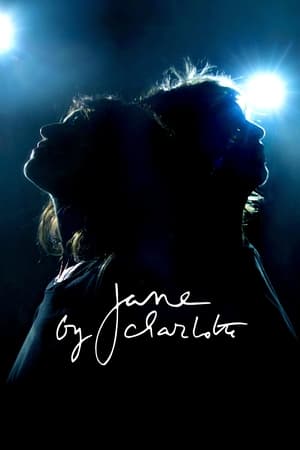
Charlotte Gainsbourg looks at her mother Jane Birkin in a way she never did, overcoming a sense of reserve. Using a camera lens, they expose themselves to each other, begin to step back, leaving space for a mother-daughter relationship.
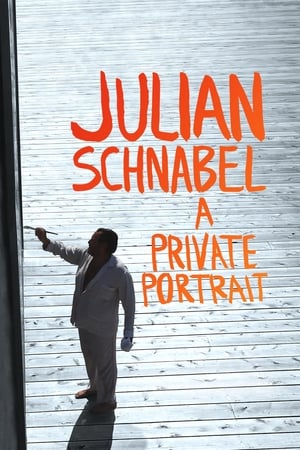
A chronicle of the personal life and public career of the celebrated artist and filmmaker Julian Schnabel.
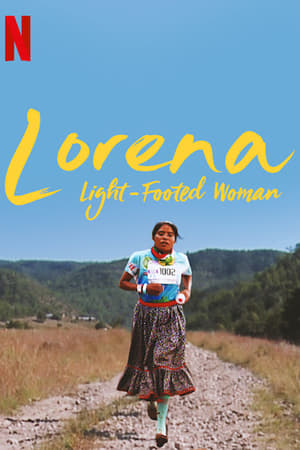
A young woman of the Tarahumara, well-known for their extraordinary long distance running abilities, wins ultramarathons seemingly out of nowhere despite running in sandals.
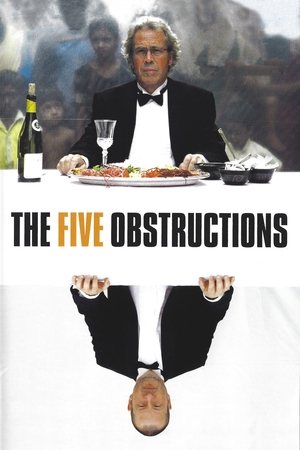
In 1967, experimental filmmaker Jorgen Leth created a striking short film, The Perfect Human, starring a man and women sitting in a box while a narrator poses questions about their relationship and humanity. Years later, Danish director Lars von Trier made a deal with Leth to remake his film five times, each under a different set of circumstances and with von Trier's strictly prescribed rules. As Leth completes each challenge, von Trier creates increasingly further elaborate stipulations.
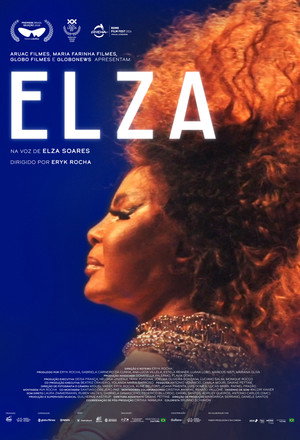
With her radical voice, visceral improvisation, and unmistakable rasp, Elza Soares created a language all her own and crossed generations, continually reinventing herself as one of Brazil’s greatest artists. In the documentary that bears her name, Elza narrates her own story, weaving together a diary of memories, desires, and reflections through music, in dialogue with historic Brazilian films. Through Elza and her nearly century-long life, the film offers an X-ray of a country in turmoil.
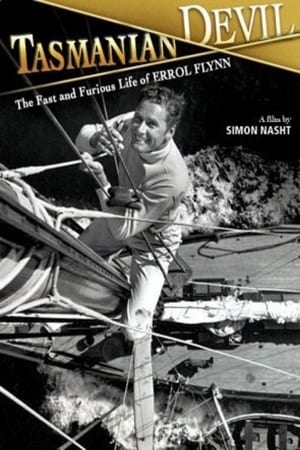
The story of Tasmanian-born actor Errol Flynn whose short & flamboyant life, full of scandals, adventures, loves and excess was largely played out in front of the camera - either making movies or filling the newsreels and gossip magazines. Tragically he was dead from the effects of drugs and alcohol by the time he was only 50 & the myths live on. But there is another side of Flynn that is less well known - his ambitions to be a serious writer and newspaper correspondent, his documentary films and his interest in the Spanish Civil War and Castro's Cuba
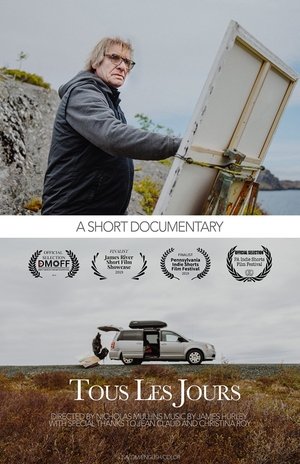
In rocky Newfoundland, renowned French artist Jean Claude Roy gathers his paints and sets off to face the day. Whether it be freezing snow, violent wind, or pouring rain, he commits vibrant colors to canvas and conquers the day by weaving crooked beauty out of difficulties.
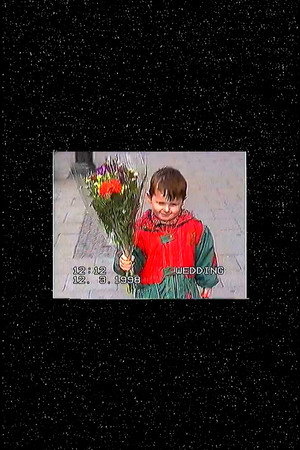
Found footage recorded on March 12, 1998, in Germany, documenting Agron and Fitnete as they receive their marriage papers. Surrounded by family, they record heartfelt congratulations and greetings intended for loved ones back in Kosovo. What begins as a celebratory message, slowly shifts into a moment marked by uncertainty and concern about Kosovo.
A documentary about the German-American movie poster artist Will Williams made by his close friend Eckhard "Ecki" Baum.
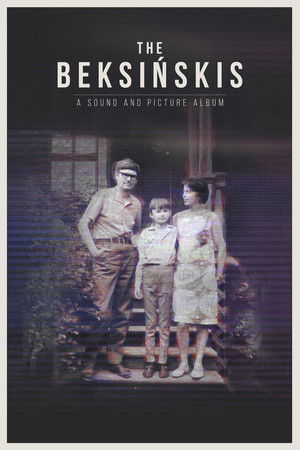
Painter Zdzisław Beksiński, his wife Zofia and their son Tomasz, a well-known radio journalist and translator, were a typical and unconventional family, both at the same time. One of the father’s obsessions was filming himself and his family members. Using archival footage only, shot primarily by Zdzisław, as well many other materials, which have not been presented anywhere so far, the film tells a tragic story of the Beksińskis that has never ceased to fascinate Polish filmmakers.
He was the gentle rebel of soul: Marvin Gaye, one of the greatest musicians of the 20th century. With his unmistakable voice and hits, he left an indelible mark on American pop culture—one that endures to this day.
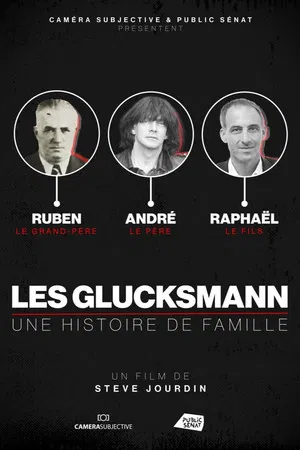
Les Glucksmann, une histoire de famille
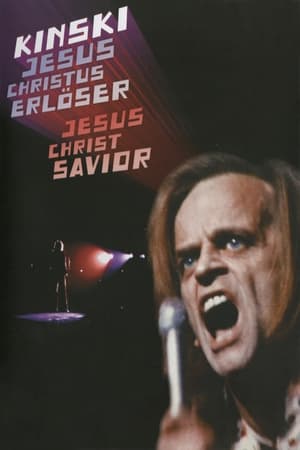
Klaus Kinski has perhaps the most ferocious reputation of all screen actors: his volatility was documented to electrifying effect in Werner Herzog’s 1999 portrait My Best Fiend. This documentary provides further fascinating insight into the talent and the tantrums of the great man. Beset by hecklers, Kinski tries to deliver an epic monologue about the life of Christ (with whom he perhaps identifies a little too closely). The performance becomes a stand-off, as Kinski fights for control of the crowd and alters the words to bait his tormentors. Indispensable for Kinski fans, and a riveting introduction for newcomers, this is a unique document, which Variety called ‘a time capsule of societal ideals and personal demons.’
Le Coureur de fond
This documentary traces the history of Knust, an independent printing press based in Nijmegen that is regarded as one of the pioneers of risography. Founded in 1984, Knust was part of the Nijmegen artists’ initiative that originated during the squat movement in the Netherlands, where self-publishing ignited the clash between anarchist politics and neo-liberal urban reforms.
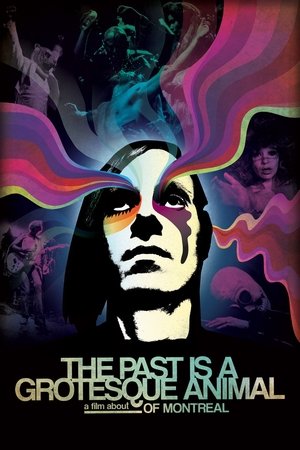
A personal, accessible look at an artist - Kevin Barnes, frontman of the endlessly versatile indie pop band of Montreal - whose pursuit to make transcendent music at all costs drives him to value art over human relationships. As he struggles with all of those around him, family and bandmates alike, he's forced to reconsider the future of the band, begging the question - is this really worth it?
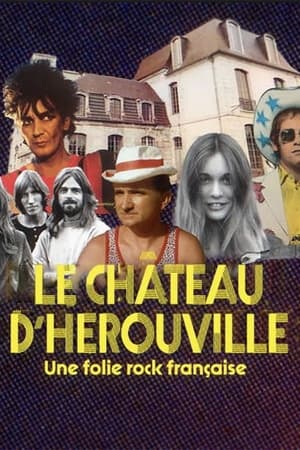
Le château d'Hérouville, une folie rock française
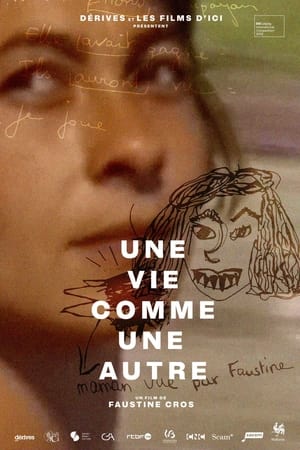
Over many years, the director’s father filmed his family life almost obsessively. His daughter’s birth, his son’s first steps, and always Valérie, the young mother. An impressive fund of material which their now grown-up daughter Faustine appropriates to tell quite a different story: that of a woman who sees her role as a mother and its demands take away her freedom step by step.
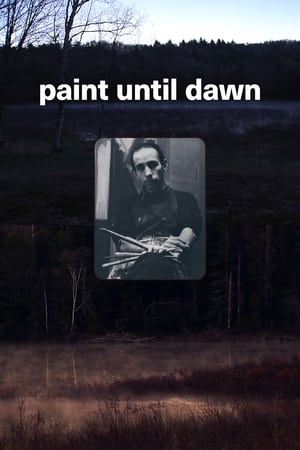
Seeing is to painting what listening is to politics. Survival as an artist demands both. Paint Until Dawn is a documentary on art in the life of James Gahagan (1927-1999), who painted all night to push the limits of vision. His life and thought reveal a correlation between art and activism through an interesting angle: the creative process itself.
The artist J.M.W. Turner is widely recognised as England’s greatest painter. Tate has the world’s finest and most extensive collection of his work. Turner at Tate explores Turner’s art through many of his best-known canvases and exquisite sketches and watercolours, all newly and exceptionally filmed in HDTV from the original artworks. Incorporating the landscapes and places that inspired the works, the film provides an overview of Turner’s life and - in an accessible and engrossing way - of critical approaches to his art. The film’s focus is Turner and England, and his work is considered against the radical social and political changes of the early nineteenth century. Turner at Tate is a film about ideas and history and landscape, a film about colour and light. Contributors include Tate curators Ian Warrell and David Blayney Brown, and art historians Sam Smiles and Barry Venning. Also featured on the DVD are ten additional short films, each of which considers in detail a major work.