Co-curated by Jenni Olson and the late Black gay activist Karl Knapper, this entertaining showcase of vintage movie trailers traces the evolution of African American cinema through its most crucial period, 1952-1976. Filled with insights on race and social dynamics, this fascinating compendium of coming attractions explores an extensive range of stylistic approaches—Blaxploitation, Comedy, Music Bio, Plantation Drama and more—offering an outrageous joyride through motion picture history. Beyond mere camp, these marvelously condensed gems crystallize a range of African American identities and personalities, tracking the meteoric careers of Sidney Poitier, James Earl Jones, Billy Dee Williams, Richard Pryor, Pam Grier and others through their bold performances in movies both hugely popular and practically forgotten. Afro Promo provides a compact glimpse at the representation of African Americans through twenty-five dynamic years of American cinema history.
As the first "blonde bombshell," Mae West reigned supreme and changed the nation's view of women, sex and race — on stage, in films, on radio and television.
Known for his personification of the Western Hero, it was Montana-born Gary Cooper's horse-riding skills that first brought him bit parts in movies. And he never lost his love of the great American outdoors. Though he rarely played a villain and was an adept comedian, Cooper is best remembered for his strong, silent heroes. With his lanky country boy looks and shy hesitancy he created a unique screen presence, though his real life was one of sophisticated elegance.
He went from street-wise tough to art-collector liberal-activist, from circus-acrobat hunk to Academy Award winner. Burton Stephen Lancaster — later Burt Lancaster — was one of five children of a New York City postal worker. By eighteen, Burt was 6'2" and blessed with the athletic physique and dynamic good looks that helped make him famous. A stint in the Army introduced Burt to acting and led him to Hollywood where his first release, "The Killers" (1946), propelled him to stardom at age 32. He took control of his own career and seldom faltered.
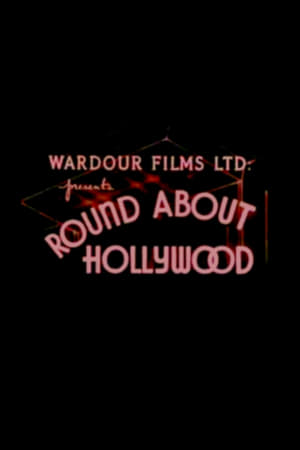
In this short film, two starstruck movie fans hire a tour guide and see a plethora of Hollywood stars.
This documentary captures the sounds and images of a nearly forgotten era in film history when African American filmmakers and studios created “race movies” exclusively for black audiences. The best of these films attempted to counter the demeaning stereotypes of black Americans prevalent in the popular culture of the day. About 500 films were produced, yet only about 100 still exist. Filmmaking pioneers like Oscar Micheaux, the Noble brothers, and Spencer Williams, Jr. left a lasting influence on black filmmakers, and inspired generations of audiences who finally saw their own lives reflected on the silver screen.
An intimate portrait and saga of four film pioneers--Harry, Albert, Sam and Jack who rose from immigrant poverty through personal tragedies persevering to create a major studio with a social conscience.
A documentary about the rise and fall of the Cannon Film Group, the legendary independent film company helmed by Israeli cousins Menahem Golan and Yoram Globus.
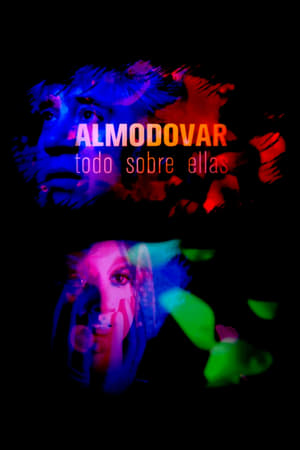
When looking at Pedro Almodóvar’s filmography, it becomes evident that women are everywhere; in fact, his work revolves around them. His divas are the best to create a real portrait of Almodóvar and evoke the emotional power of his films. These women are the ideal observers of a cinematic career that, from La Mancha to Hollywood, has changed the image of Spain in the world.
A documentary about the production of From Dusk Till Dawn (1996) and the people who made it.
A tribute to the work of Alfred Hitchcock, featuring contemporary filmmakers, writers, performers, and cultural critics.
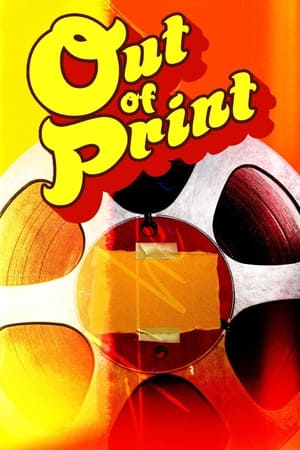
A documentary exploring the importance of revival cinema and 35mm exhibition - seen through the lens of the patrons of the New Beverly Cinema - a unique and independent revival cinema in Los Angeles.
A documentary detailing the making of the cult favorite "Plan 9 from Outer Space," featuring interviews with cast members and prominent filmmakers about the film, its lasting legacy, and its creator, Edward D. Wood Jr.
A documentary film about dancing on the screen, from its origins after the invention of the movie camera, over the movie musical from the late 20s, 30s, 40s, 50s, and 60s, up to the break dance and music videos from the 80s.
In 1970 the people of Karmi in Cyprus participate in an unprecedented experience: the shooting of the film "Beloved", with Hollywood cast and crew. This documentary functions as a kaleidoscope, transmitting images of that magical time and of the traumatic changes in their lives after the Turkish invasion. Four decades later, they revisit nostalgically those old beloved days.
A chronicle of alleged ghosts, haunted landmarks and the otherworldly doings of Tinseltown, including a cursed script and haunted homes of the stars. A range of celebrities and parapsychologists provide interviews related to the history of Hollywood hauntings and their own experiences hosted by William Shatner.
An in-depth look at an incredible moment in film history when Steven Spielberg and George Lucas assembled an amazing creative team to collaborate on another cinematic benchmark featuring never-before-seen footage and interviews with Spielberg, Lucas, Harrison Ford, Kathleen Kennedy, Frank Marshall, James Mangold, and many others as well.
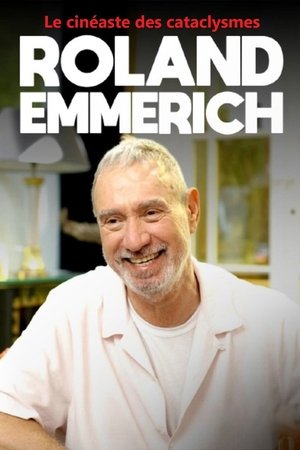
Roland Emmerich himself and many of his companions provide insights into his life. With films such as Independence Day, 2012, and The Day After Tomorrow, he probably became the most successful director of disaster movies. But there were also failures.
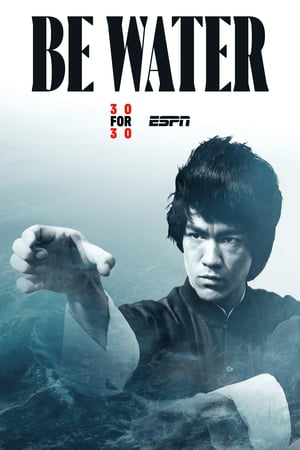
In 1971, after being rejected by Hollywood, Bruce Lee returned to his parents’ homeland of Hong Kong to complete four iconic films. Charting his struggles between two worlds, this portrait explores questions of identity and representation through the use of rare archival footage, interviews with loved ones and Bruce’s own writings.
From her precocious status as a sex symbol to her consecration as a filmmaker, Jodie Foster's story is about a feminist struggle, albeit atypical, fought on and off the screen. This film sets out to retrace her remarkable journey within the Hollywood industry.