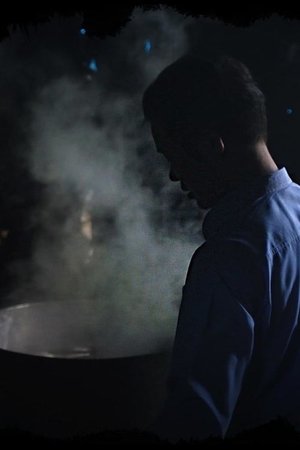
After years of war and occupation, a new generation of inspiring entrepreneurs sets out to pursue their personal dreams while pushing Vietnam forward onto the world stage.
A German Documentary about the “village of friendship” that was created by American Veteran George Mizo to help the Vietnamese kids suffering from the Vietnam War.
Over the years, Raul Ries, a military veteran (US Marine Corps) has reached out to those who are serving or have served in our armed forces. He has spoken to countless men and women from various theaters of military conflict, after their return home. In 2006, 40 years after fighting in the jungles of Vietnam, Ries experienced flashbacks for the first time. Subsequently, he found three of the men closest to him, who fought alongside of him in the Marine Corps unit ALPHA 1/7, and have suffered the consequences. Together again, they are taking the hill and finding healing.
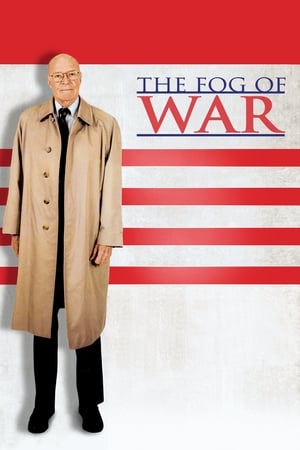
Using archival footage, cabinet conversation recordings, and an interview of the 85-year-old Robert McNamara, The Fog of War depicts his life, from working as a WWII whiz-kid military officer, to being the Ford Motor Company's president, to managing the Vietnam War as defense secretary for presidents Kennedy and Johnson.
She was born in a cave, more than 60 years ago. Now she lives in a village, with many children and grandchildren to look after. Sometimes, she dreams of her dead mother calling her home – to the cave.
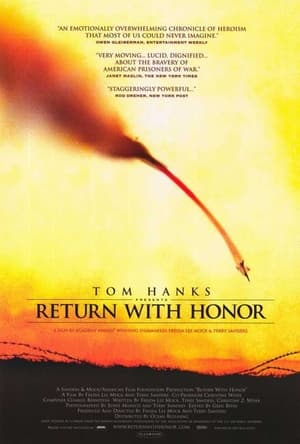
The story of U.S. fighter pilots shot down over North Vietnam who became POWs for up to 8 and a half years.
Blood Road follows the journey of ultra-endurance mountain bike athlete Rebecca Rusch and her Vietnamese riding partner, Huyen Nguyen, as they pedal 1,200 miles along the infamous Ho Chi Minh Trail through the dense jungles of Vietnam, Laos, and Cambodia. Their goal: to reach the site where Rebecca’s father, a U.S. Air Force pilot, was shot down in Laos more than 40 years earlier.
In 1975, soon after the end of the Vietnam War, Hoa Thi Le and Hue Nguyen Che fled the country on a small boat. After nine days at sea, they docked in the Philippines, where they were utilized as background extras for “Apocalypse Now.”
Three decades after German-American pilot Dieter Dengler was shot down over Laos, he returns to the places where he was held prisoner during the early years of the Vietnam War. Accompanied by director Werner Herzog, Dengler describes in unusually candid detail his captivity, the friendships he made, and his daring escape. Not willing to stop there, Herzog even persuades his subject to re-enact certain tortures, with the help of some willing local villagers.
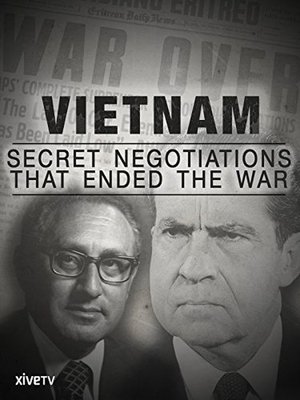
While the war raged on, Henry Kissinger, national security advisor to President Nixon, and Lê Duc Tho, member of Vietnam's Politburo, held secret meetings in France.
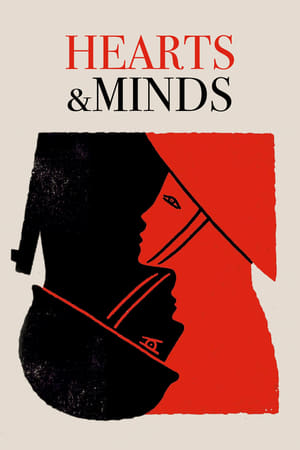
Many times during his presidency, Lyndon B. Johnson said that ultimate victory in the Vietnam War depended upon the U.S. military winning the "hearts and minds" of the Vietnamese people. Filmmaker Peter Davis uses Johnson's phrase in an ironic context in this anti-war documentary, filmed and released while the Vietnam War was still under way, juxtaposing interviews with military figures like U.S. Army Chief of Staff William C. Westmoreland with shocking scenes of violence and brutality.
A Vietnamese documentary on human suffering and the meaning of kindness.
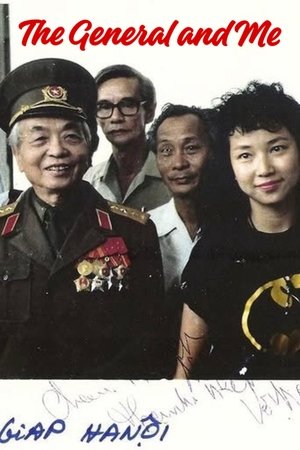
Over the period of 25 years the director met General Võ Nguyên Giáp, a legendary hero of Vietnam’s independence wars, a number of times. She was the first American who entered the home of the “Red Napoleon”. The fruit of this friendship is a film, personal and politically involved at the same time. Travelling across the country and talking to important figures as well as ordinary people, the director finds out more about her roots and offers the audience a unique perspective on Vietnam’s present and past.
Vietnam - Ein Land im Aufbruch
In this film made over ten years, filmmaker Barbara Sonneborn goes on a pilgrimage to the Vietnamese countryside where her husband was killed. She and translator (and fellow war widow) Xuan Ngoc Nguyen explore the meaning of war and loss on a human level. The film weaves interviews with Vietnamese and American widows into a vivid testament to the legacy of war.
An anti-war film about the personal suffering behind the hard statistics, which show that more than four million Vietnamese died during the Vietnam War, as opposed to 58,000 Americans. We hear South and North Vietnamese, including émigrés to the United States, describing how huge numbers of friends met their deaths, caught as they were between government forces, the Vietcong, and the Americans; how political boundaries divided not only the country, but also families; how mothers deserted their children because their fathers were American soldiers; and how the war cruelly lingers on long after hostilities ceased, in the lives of children born crippled by chemical weapons.
The Art of Nom explores an ancient and nearly extinct Vietnamese script called Chu Nom and the five scholarly artists known as Zenei, Gang of Five. The beauty, heritage and emotion of the Chu Nom characters inspire Zenei’s art. The film also examines Vietnam’s culture, history, customs, and the social impact of rapid modernization in a changing world. Art of Nom follows Zenei through their research and explorations that takes them far off the beaten path. They enter hidden library chambers of Buddhist pagodas to examine original Nom scriptures and woodblocks preserved by monks through the centuries. Led by renowned artist Le Quoc Viet, Zenei is a collective of avant-garde calligraphers forging a new path, merging contemporary visual expression with a nearly extinct script. Zenei elevates art and history to a new level of experience.
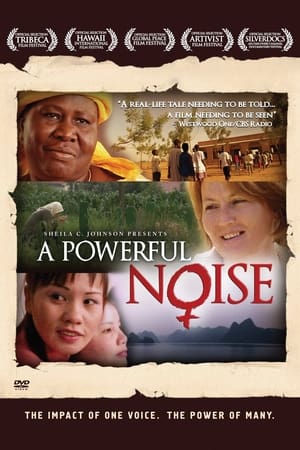
Bookended by call-to-action quotes from Margaret Mead and Mahatma Gandhi, this inspiring documentary follows three extraordinary women -- in Bosnia-Herzegovina, Mali, and Vietnam -- as they lead day-to-day battles against ignorance, poverty, oppression, and ethnic strife.
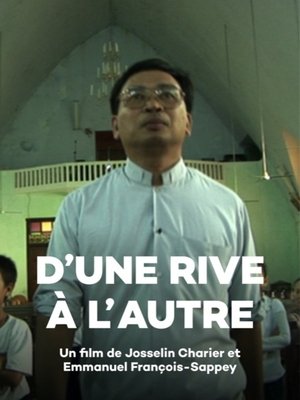
This film offers us a juxtaposed journey of two priests: Father Van Ban, a Vietnamese priest from the parish of Thy Hu in the Hé region, who after nine years of training in Paris decides to return to Vietnam, and Bernard de Terves, a young deacon from the Foreign Missions of Paris who decides to leave for China after his ordination. Their intersecting paths allow us to address themes related to East-West intercultural dialogue, particularly that of transmitting the Gospel message.
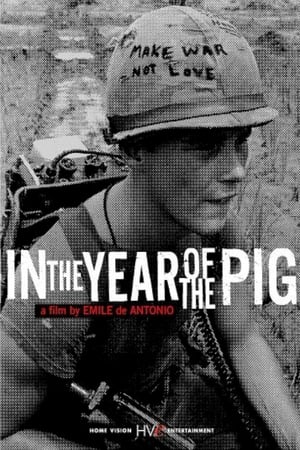
Both sober and sobering, producer-director Emile de Antonio’s In the Year of the Pig is a powerful and, no doubt for many, controversial documentary about the Vietnam War.