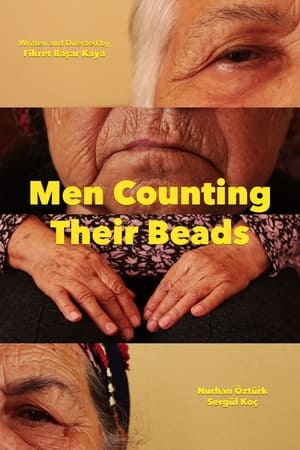
Short film about Ankara, Turkiye
Short film about bilingual kids
1975: Alan Evans, aka the Rhondda Legend, was making decent money for playing darts.
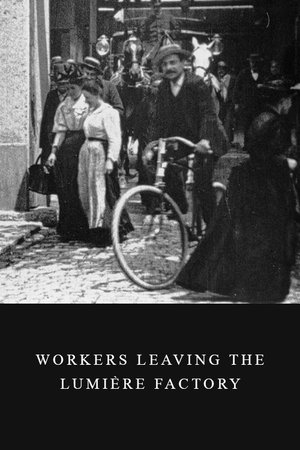
Working men and women leave through the main gate of the Lumière factory in Lyon, France. Filmed on 22 March 1895, it is often referred to as the first real motion picture ever made, although Louis Le Prince's 1888 Roundhay Garden Scene pre-dated it by seven years. Three separate versions of this film exist, which differ from one another in numerous ways. The first version features a carriage drawn by one horse, while in the second version the carriage is drawn by two horses, and there is no carriage at all in the third version. The clothing style is also different between the three versions, demonstrating the different seasons in which each was filmed. This film was made in the 35 mm format with an aspect ratio of 1.33:1, and at a speed of 16 frames per second. At that rate, the 17 meters of film length provided a duration of 46 seconds, holding a total of 800 frames.
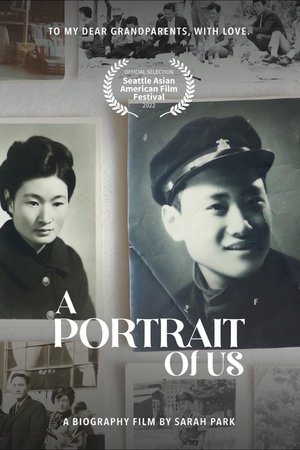
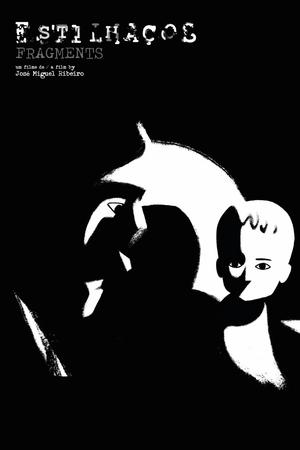
An experimental documentary based on photographs of the director's grandfathers whom he never had the chance to meet, his grandmothers, and the stories they told.
A short documentary that follows Korean grandparents as they share their modern-day reckoning of their immigration story and grandparenthood.
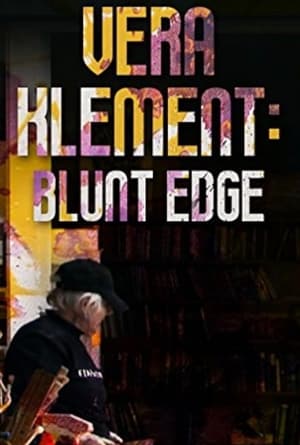
As her 80th birthday is approaching, Vera Klement, an oil painter in Chicago, adamantly starts yet another new figure painting: a portrait of an artist under oppression, an homage to Russian composer, Dmitri Shostakovitch.
This is a film about how war settles in the bodies of the people who are forced to experience it directly. And then, thousands of miles away and dozens of years ahead, how, like a virus, it can still infect other human beings.
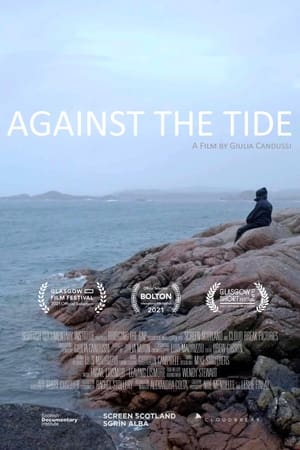
A remote and wild island on the west coast of Scotland is home to a small group of people that live in deep connection with the land, the sea and the weather. For different reasons, they left their city life to escape their inner demons and to live as eco-friendly and sustainable as possible.
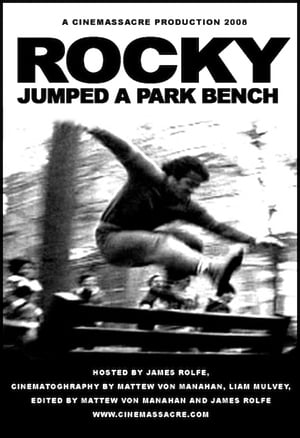
A location tour of the Rocky filming locations in Philadelphia.
Chronicle of the Occupation.
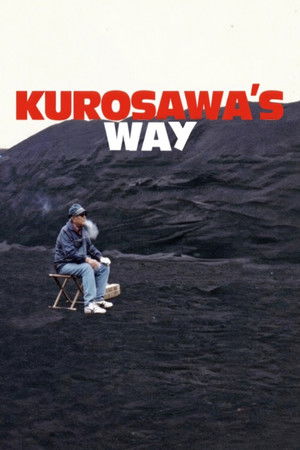
Eleven major film makers from Europe, America and Asia talk about Akira Kurosawa and discover surprising influences on their own work.
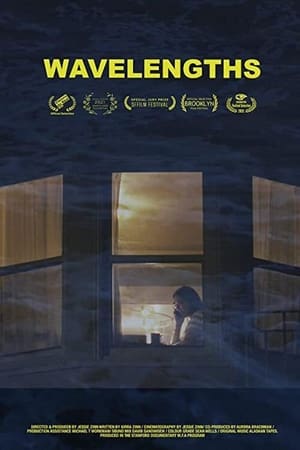
Across the Bay Area, illuminated windows reveal volunteers for Exhale, a hotline for women seeking help in processing their abortion experiences. In the still of night, these volunteers lend an ear to those who need it.
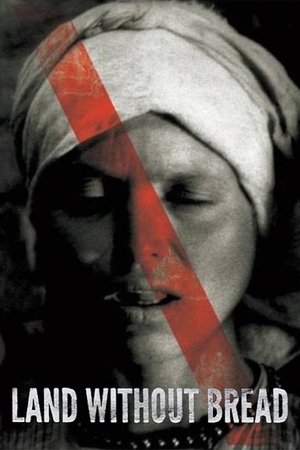
An exploration —manipulated and staged— of life in Las Hurdes, in the province of Cáceres, in Extremadura, Spain, as it was in 1932. Insalubrity, misery and lack of opportunities provoke the emigration of young people and the solitude of those who remain in the desolation of one of the poorest and least developed Spanish regions at that time.
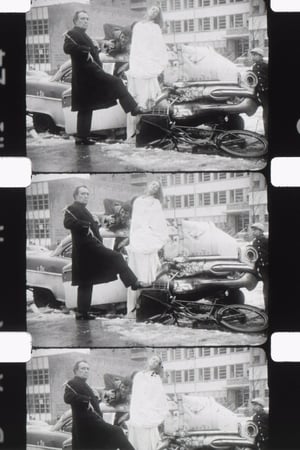
Filmmaker Jonas Mekas follows the surrealist artist around the streets of New York documenting staged public art events.
This short documentary presents the singular movie theater of the historic city of Ouro Preto, in Brazil, the Cine Vila Rica. Throug the looks of five characters that represents different ages and different reasons for the existence of the movie room, the directors put on screen a sentimentalist view of cinema itself and of seeing yourself as a part of one special theater.
An in-depth look at Dirty Harry (1971), featuring interviews with such film artists as Michael Madsen, 'Hal Holbrook', John Milius, 'Shane Black' and John Badham.
Rosa is from Croatia and lives in Switzerland, with her husband who depends on her care. She takes care of everything. Her children have grown up and want to leave home. Rosa stays behind alone.
Women find empowerment behind the red nose and makeup, revealing the playful and subversive spirit of female clowning. Through poetic and intimate performances, the clowns share stories that go beyond laughter, exploring their role as manipulators of energy and expression.
The documentary Sin Telón celebrates the national artistic values of Teatro La Candelaria, recognized both nationally and internationally as one of the leading Latin American experimental theater groups. The film highlights the extensive career of Santiago García while also portraying the everyday life and unique working methods of this dedicated ensemble of artists from Teatro La Candelaria.