Tócala Otra Vez, Pep
The misadventures of a group of young people who seek a better life by becoming bullfighters, the only way to leave their poor existence in the slums of Barcelona.
Antonio Gracia José (1942-2011), known as “Pierrot,” was a prominent member of the Barcelona art scene, a pioneer in the filmmaking of underground short films and Fantaterror movies, writer and playwright, magazine editor, movie poster painter, cartoonist and cabaret showman.
Francesca Svampa’s dreamlike portrait of Barcelona, shot in double exposure on reversible 8mm film, is interwoven with Svampa’s intimate, reminiscent telling of her personal micro-memories, as a woman, filmmaker, and immigrant.
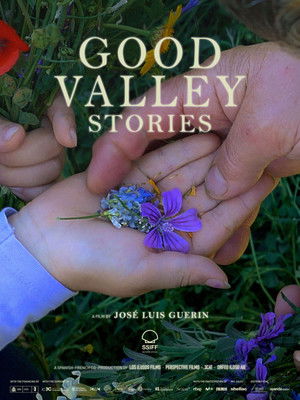
In a peripheral neighbourhood, where the rural and urban worlds meet, the houses of the first migrants who arrived after the post-war period coexist with the new blocks of the dormitory city, where the latest wave of migration is concentrated. This humble corner is now an authentic global village. Good Valley Stories is a sum of constructs, of social, generational and identity, urban and ecological conflicts, but it is also a calm and humanistic look at today’s world.
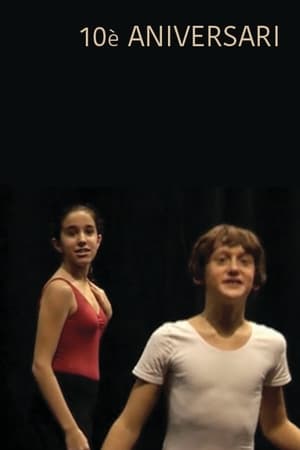
From an observational perspective, this documentary captures the experiences of the students of the dance school of the Theatre Institute of Barcelona, during the celebration of its tenth anniversary of existence.
Maria, the last member of a good provincial family of long tradition, wants to live the atmosphere of these musical groups that proliferate all over the world. He meets Ricardo, a former partner in the advertising world, who has self-marginalized because he got to the point where he felt disgusted by this false world. Maria tries to leave him, but has just integrated into this chaotic environment.
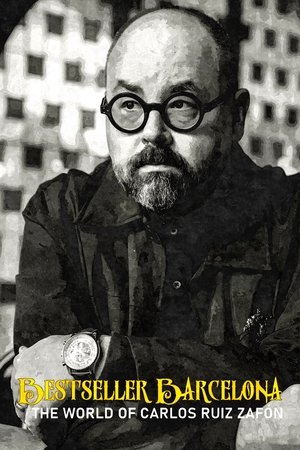
A journey through the fantastic and mysterious Barcelona that the Spanish writer Carlos Ruiz Zafón (1964-2020) loved so much, the city of myth and legend, the city that was before it became one of the main European tourist destinations.
Tourists eating and taking photos. Tourists strolling and taking photos. Tourists bathing on the beach and taking more photos. Barcelona has become an overexploited photocall to the point of paroxysm, and this is what this film shows by turning the camera and pointing towards the visitors. A small gesture that, added to a powerful sound contrast and a caustic sense of humour, exposes without subterfuge a grotesque normality.
A walk through the landscapes of the province of Barcelona, Spain, as well as a testimony of the daily life and customs of its inhabitants.
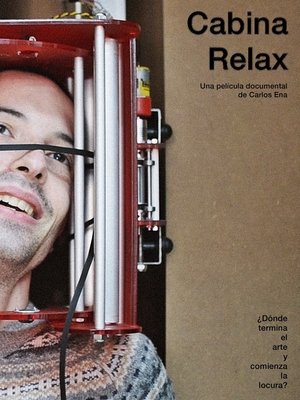
Cabina Relax
Upon the outbreak of the Spanish Civil War in July 1936, the anarchist union CNT socialized the film industry in Spain, so in Madrid and Barcelona film workers took over the production assets and, between 1936 and 1938, numerous films on a wide variety of topics were released, composing a varied mosaic that gives rise to one of the most unusual and original moments of Spanish cinematography.
A punk documentary which is, at the same time, a history of Catalonia, an analysis of its political situation in 2017, a comic lamentation on the milestones of the Procés —the broken, unsuccessful path started October 1st which eventually should've ended with a true declaration of independence from Spain—, and a chaotic festival of references to pop culture, from Dumbo to Salvador Dalí.
Year 2002. In a neighborhood of Barcelona, residents demonstrate against the expropriation of their homes. Since the 80s, this neighborhood in ruins is the main drug market in the city. Juan lives there with his father, eight brothers and about twenty nephews. Surrounded by addicts, Juan output grows hoping his mother from prison. The neighborhood will be demolished, and the family will have to find another home.
Fragments of the memory of three great artists José Pérez ‘Ocaña’ (Cantillana, 1947 - Seville, 1983), Javier Patricio ‘Gato’ Pérez (Buenos Aires, 1950 – Caldes de Montbui, 1990) and Pepe Rubianes (Villagarcía de Arosa, 1947 – Barcelona, 2009) became icons who helped make the city of Barcelona Universal and Pharaoh
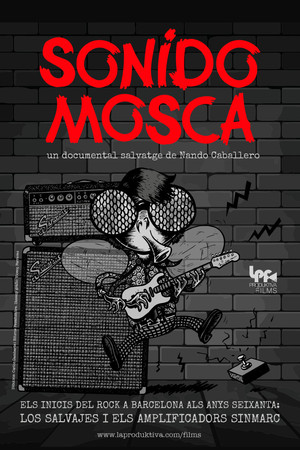
Sonido mosca
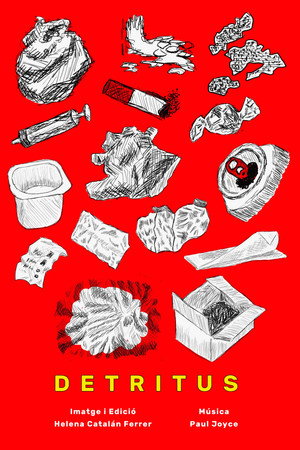
“Detritus” is a visual experience that observes Barcelona through the waste left behind by its inhabitants: furniture, paper, plastic, and other urban debris. The accumulation of all these often overlooked remnants shapes the portrait of a dirty city, built on a model of constant consumption, where garbage becomes yet another layer of a cold and polluted landscape defined by what we leave behind.
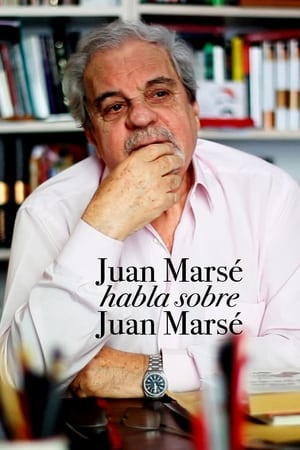
From his office in Barcelona, where he usually works, Spanish writer Juan Marsé speaks of his novels, the movies that have been made from them, their relations with the classic American cinema and its influence on his narrative.
Omar lived in a very small village in Africa. He arrived in Barcelona in the winter. He would like to learn languages and study, but there are no vacancies in the courses. He would like to work, but he has to wait until he has papers. He would like to get to know the city, find people who trust him, and not feel so alone. He misses his village, his family, and especially his mother. They talk often on the phone, but Omar can't express how difficult everything is here.
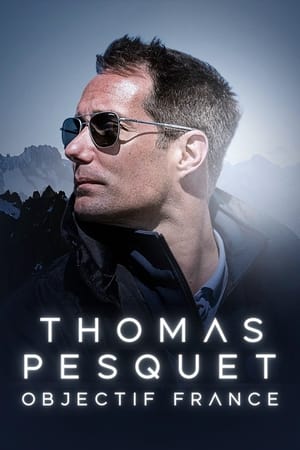
Thomas Pesquet : Objectif France