Severely battered from the Beirut Port Explosion on August 4th, Minerva passed away eight days later. Her son Joseph, while still grieving for his loss, sunk into a long and absurd bureaucratic path through the inept system that disowned his mother as a victim of the blast. Minerva is gone. The explosion has snatched her soul, and the city walls have not yet recognized her as a martyr. There is no poster of her smiling face among those of the victims. Their faces are memories that will haunt us for the rest of our lives. Perhaps her son, devastated by her passing, seeks to etch her image into the city's memory. Perhaps he is seeking some confession to the crime. This is a place that casts out its children, whether dead or alive.
The third installment of the infamous "is it real or fake?" mondo series sets its sights primarily on serial killers, with lengthy reenactments of police investigations of bodies being found in dumpsters, and a staged courtroom sequence.
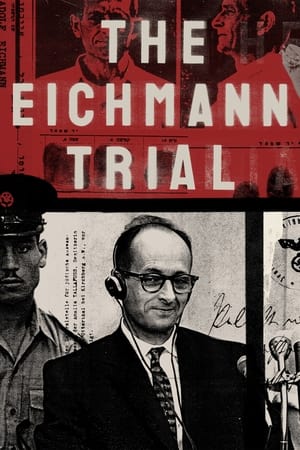
In 1961, history was on trial... in a trial that made history. Just 15 years after the end of WWII, the Holocaust had been largely forgotten. That changed with the capture of Adolf Eichmann, a former Nazi officer hiding in Argentina. Through rarely-seen archival footage, The Eichmann Trial documents one of the most shocking trials ever recorded, and the birth of Holocaust awareness and education.
Filmed over four years with unprecedented access, this documentary chronicles the riveting courtroom drama of two defamation lawsuits brought by Sandy Hook Elementary School shooting victims' families against Alex Jones and his website, InfoWars.
Twenty-five films from twenty-five European countries by twenty-five European directors.
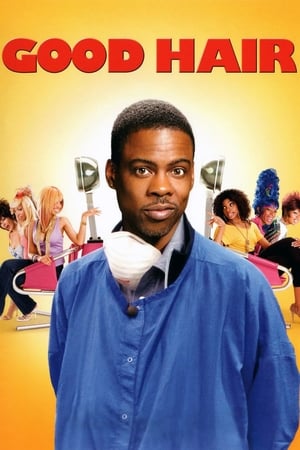
An exposé of comic proportions that only Chris Rock could pull off, GOOD HAIR visits beauty salons and hairstyling battles, scientific laboratories and Indian temples to explore the way hairstyles impact the activities, pocketbooks, sexual relationships, and self-esteem of the black community.
This documentary recounts the dysfunctional state of the death penalty in the state of California by revisiting the crimes, arrest, trials and appeals of Lawrence Bittaker, a convicted serial killer who has been on death row at San Quentin since 1981.
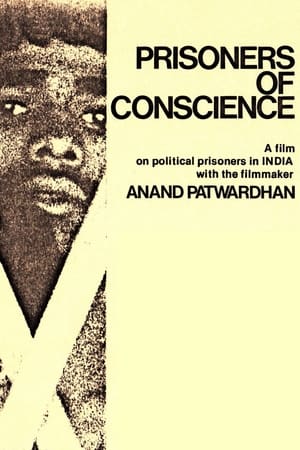
An early Patwardhan documentary completed in 1978, Prisoners of Conscience focuses on the state of emergency imposed by Indira Ghandi from June 1975 through March 1977. During this time over 100,000 people were arrested without charge and imprisoned without trial. They were released only by the government that replaced Ghandi's. The film also shows that political prisoners existed in India before the state of emergency and continued after the new government was elected.
Leyla and her six-year-old daughter Nila live in the holy city of Mashhad in Iran. Nila is the result of a temporary marriage, which allows a man to marry a woman even if he is already married. Children born from such a relationship are legally non-existent. As long as the father does not recognize the child, no birth certificate can be issued and Nila cannot attend school. The documentary depicts Leyla's tireless efforts to clarify Nila's legal status in order to offer her a perspective for her future. In a never-ending bureaucratic battle, Leyla fights not only against the legal system, but also against a judgmental society.
A documentary about the corrupt health care system in The United States who's main goal is to make profit even if it means losing people’s lives. "The more people you deny health insurance the more money we make" is the business model for health care providers in America.
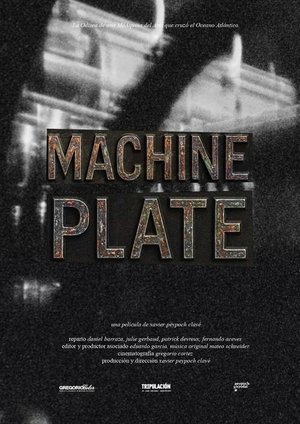
Machine Plate
This feature documentary follows Toronto mayoral candidate David Miller as he runs in the 2003 municipal election.
Anna Del Conte is The Cook Who Changed Our Lives and the instrumental force in leading Britain beyond the land of spaghetti bolognese and tinned ravioli. Featuring and narrated by Nigella Lawson, Anna’s most ardent advocate, and starring a cast of familiar faces including: Giorgio Locatelli, Antonio Carluccio, Hugh Fearnley-Whittingstall, Prue Leith and Tom Parker Bowles, this film reveals how a Milanese cook, now 91, changed Britain’s attitude to Italian food at a time when we could only buy olive oil in Soho or the chemist. Infused with cherished recipes, revealing archive and personal testimony, The Cook Who Changed Our Lives time travels through Britain’s social history to reveal how we experienced and enjoyed our first taste of Italian food.
When the immigrants came to America, their cultures entered the "great melting pot." In Michigan's Upper Peninsula Finnish immigrants mixed their musical traditions with many other cultures, creating a sound that was unique to the "Copper Country."
In the summer of 1967, a hippie group called The Diggers - led by the cool and charismatic 23-year old David DePoe - wanted to turn the street where they resided, Yorkville Avenue in Toronto, into a car-free zone. Fed up with the noise and fumes from cars, DePoe staged a 3-day sit in where the Diggers peacefully occupied the street to petition the Toronto City Council to get what they wanted. To their surprise, the police were ordered to remove them by force by the city officials who wanted to keep the street open as a necessary traffic artery. After being released from jail, DePoe and his group were invited by the fiercely conservative and patronizing Allan Lamport, a member of the Board of Control and former Mayor of the city to a meeting at City Hall to present their case. The climactic battle unfolded there between Lamport and DePoe, who was representing the Canadian Youth Council.
Successfully completed your studies - now what? Raffly already has a lucrative job offer from a large German company, but neither an apartment nor a work permit.
An extraordinary look at the life of Uri Geller, the man famous for bending spoons and reading minds, told through exclusive interviews with the man himself.
Hackers Wanted explores the origins and nature of hackers and hacking by following the adventures of Adrian Lamo, and contrasting his story with that of controversial figures throughout history.
The Billion Dollar Hotel is a documentary that explores life in and around the Burj Al Arab Hotel. It follows the experiences of hotel staff at all levels and the highs and lows of working to provide the best possible service where any request by a guest is no problem.
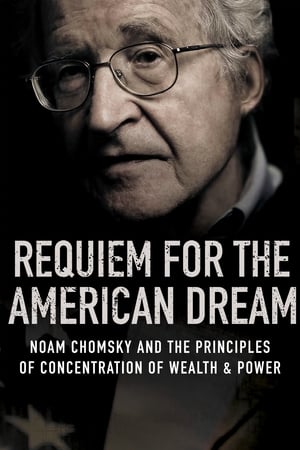
Through interviews filmed over four years, Noam Chomsky unpacks the principles that have brought us to the crossroads of historically unprecedented inequality – tracing a half-century of policies designed to favor the most wealthy at the expense of the majority – while also looking back on his own life of activism and political participation. He provides penetrating insight into what may well be the lasting legacy of our time – the death of the middle class, and swan song of functioning democracy.