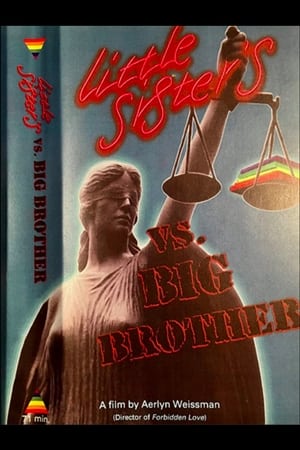
Barcelona, Spain, June 1977. A chronicle of a demonstration held to demand the repeal of a 1970 Francoist law criminalizing homeless, prostitutes and homosexuals.
A walk through the golden age of Spanish exploitation cinema, from the sixties to the eighties; a low-budget cinema and great popular acceptance that exploited cinematographic fashions: westerns, horror movies, erotic comedies and thrillers about petty criminals.
A history of the Spanish Transition told in first person by the main protagonists: on the one hand, the politicians, idealistic or merely opportunistic, who brought it to a successful conclusion in the tribunes and offices; on the other hand, the citizens who, in the streets, supported it sincerely or fought it with ferocity.
Spanish jurist and republican thinker Antonio García-Trevijano (1927-2018) expounds his political thought and reflects on the recent political history of Spain.
Pilot chapter of the film series 'Ikuska', a compilation of shorts on the Basque Country’s culture and politics. A documentary about the referendum on the Spanish constitution.
Forty years later, Guillermo Montesinos, the actor who played José María el Cepa in The Cuenca Crime (1980), directed by Pilar Miró, returns to the various locations where the shooting of the mythical film, narrating the infamous Grimaldos case (1910), took place.
What was the role of women in Spanish cinema from the 1930s to the present explained through fragments of different films, both fiction and non-fiction. (Followed by “Manda huevos,” 2016.)
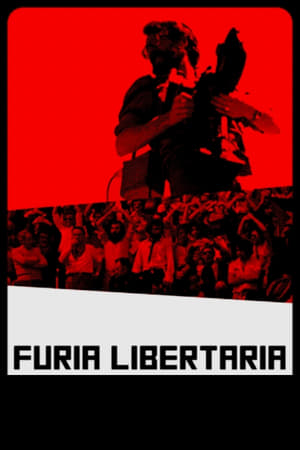
San Sebastián de los Reyes Bullring, Madrid, Spain, March 27, 1977. In response to the strange political alliances that were taking place between antagonistic forces in search of a self-serving consensus, the anarcho-syndicalist union CNT organizes a rally to denounce the reprehensible machinations of its adversaries. (Documentary shot in 1977; edited and released in 2011).
The story of iconic Spanish artist Susana Estrada's struggle against censorship and sexual repression during the turbulent years following the death of dictator Francisco Franco.
One of the first (and perhaps therefore ambiguous) approaches to homosexuality in Spain at the time. The film narrates in cinematographic form the problem of the third sex, its justification and its existence within a real environment that is society itself. Two parallel worlds are shown to us; one, the hard and professional life of some artists who try to put on a 'music-hall' show. The other world is independent but it shows us what the life of an old glory was like, of an old man who was an artist in his time. Comparing one era with another is the intention of the film and ultimately its plot.
Spain, 1975. Franco's death opens the door to the possibility of uncensored cinema. After two years of relaxed censorship, it is abolished in 1977, and the “S” rating is created to protect viewers from films that may “offend their sensibilities.”
Spain. 1978. Year of the first democratic elections following the dictatorship, and of the birth cine quinqui (delinquent movies): films that rapidly became a big commercial success, showing things that were banned by the censorship not too long before.
A look at the different masculinities portrayed in Spanish cinema through time. (A sequel to “Barefoot in the Kitchen,” 2013.)
What situations of violence do lesbians experience today? How do they face them? What are the underlying problems? What reality permits them to keep happening? What answers and strategies can we produce and put into practice as a society to do away with this and other forms of discrimination? Ten individuals explain their experiences and points of view, building a choral testimonial to bring male sexist violence against lesbians into the light, analyze the underlying problems, and seek responses and strategies to put an end to lesbophobia in conjunction with other types of violence.
Six women stand before the camera to shape a unique film: it is unclear whether it is a documentary or a comedy, perhaps an LGBTQ+ statement or a film about sex work. What is certain is that it is a celebration of friendship and resilience, of communal life and solidarity. Add to this the boldness of the women involved, along with the freedom of an unabashed camera, and the result is irresistible.
Amateur YouTube documentary about the controversial relationship between filmmaker Eloy de la Iglesia and young actor José Luis Manzano, creators of such iconic films as Navajeros (1980) and Overdose (1983), and key figures of Spanish quinqui cinema. Second documentary by Gorka Goikoetxea.
Historias de la Teleprisión
El Rock de Nuestra Transición
Maruxak: Vente con nosotras