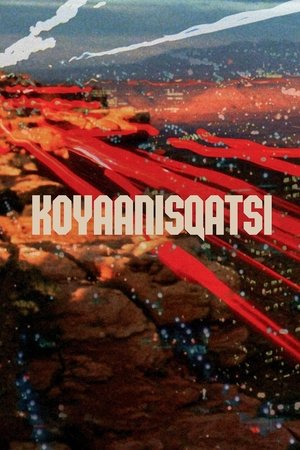
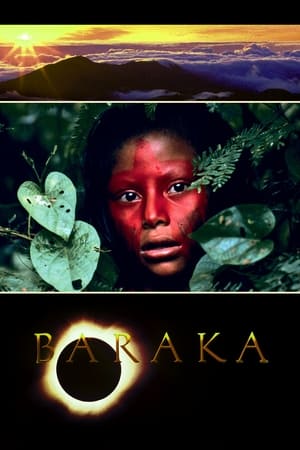
Takes us to locations all around the US and shows us the heavy toll that modern technology is having on humans and the earth. The visual tone poem contains neither dialogue nor a vocalized narration: its tone is set by the juxtaposition of images and the exceptional music by Philip Glass.
A visual montage portrait of our contemporary world dominated by globalized technology and violence.
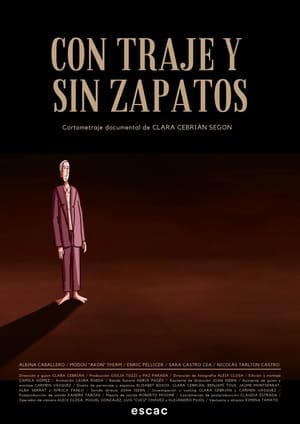
We observe the daily routines of an elderly couple. Within the quiet flow of time, a longing for youth and irretrievable memories begin to surface. This piece reflects the sorrow hidden in the stillness of old age and the deep yearning for the past.
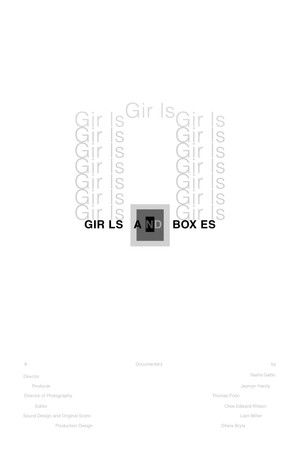
Through personal stories, the documentary approaches the issues of gender identity and legal gender recognition in Greece. The three main characters explain how society has treated them, by narrating their experiences from the past and the present.
A young filmmaker maintains an epistolary conversation with his deceased grandmother while he rediscovers the space they both inhabited for more than a decade.
This film is based on the true story of Jean Bella, who served as an officer in the Belgian Marine while being convinced, from an early age, that he was in fact a woman. Director Jean-Pol Ferbus follows Jean Bella and makes him talk about his life, psychological and spiritual experiences and reveals the true poet who remained undisclosed for most of this person's life. The film ultimately isn't about transexuality but about loneliness one can experience when he/she feels very deeply that she/he belongs to the two sexes and this in a deep, almost religious, fashion, to such an extent that sexuality itself is being erased from one's life. Jean-Gina Bella is a woman in the body of a man who bravely lived a life on the sea, eventually fighting the elements, talking to God when lost on the immense solitary ocean. This testimony is a very touching and poetic one.
Documentary by the music label Defected and its brand Glitterbox about electronic music, its beginning in New York and its importance for minorities all around the world.
This short documentary, shot in the glass factories of Leerdam and Schiedam, demonstrates how glass blowers do their work. But thanks to the superbly edited ballet of working hands and the sequence of mechanical motions of the engines, is it especially a cinematic tour de force. That the industry can’t do without man’s involvement is shown in the scene where we hear the voice of Haanstra himself counting the bottles on the conveyor belt, until one bottle breaks…
An exploration of technologically developing nations and the effect the transition to Western-style modernization has had on them.
Women find empowerment behind the red nose and makeup, revealing the playful and subversive spirit of female clowning. Through poetic and intimate performances, the clowns share stories that go beyond laughter, exploring their role as manipulators of energy and expression.
Lugar de Nadie
Carefully picked scenes of nature and civilization are viewed at high speed using time-lapse cinematography in an effort to demonstrate the history of various regions.
A look on transvestites and transsexuals in early 80's Paris. The documentary focuses on Elisa, a Brazilian transvestite and ends with a filming of a surgical operation male to female.
In 1952, Haanstra made Panta Rhei , another view of Holland through the eyes of a painter and filmmaker. Its poetic images of water, skies and clouds reflect Haanstra's own moods.
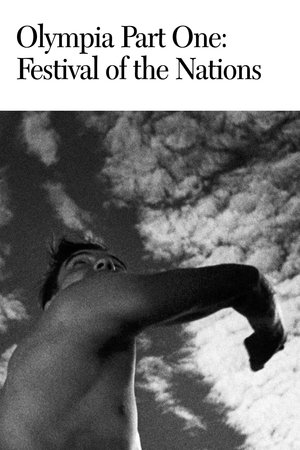
Part two of Leni Riefenstahl's monumental examination of the 1938 Olympic Games, the cameras leave the main stadium and venture into the many halls and fields deployed for such sports as fencing, polo, cycling, and the modern pentathlon, which was won by American Glenn Morris.
Starting with a long and lyrical overture, evoking the origins of the Olympic Games in ancient Greece, Riefenstahl covers twenty-one athletic events in the first half of this two-part love letter to the human body and spirit, culminating with the marathon, where Jesse Owens became the first track and field athlete to win four gold medals in a single Olympics.
Celebrated skateboarder Leo Baker shares the details of their rise to fame and the clash between their career and self-discovery as a trans person.
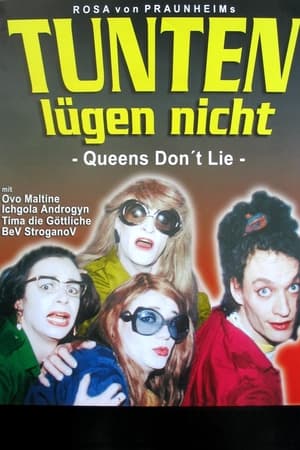
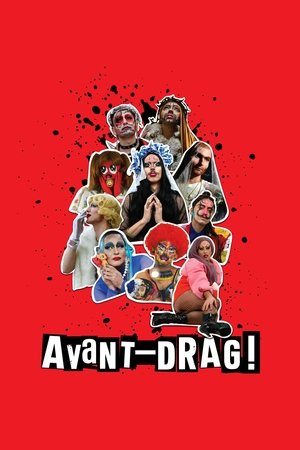
Bosom buddies BeV StroganoV, Ovo Maltine, Ichgola Androgyn and Tima die Göttliche are four Berlin drag queens who met in the mid 1980s. These four queens became Germany’s most popular drag performers and have been busy fertilizing the German cultural scene. Besides being performers, they are also political activists – in AIDS awareness, anti-gay violence, the sex workers movement and the struggle against the extreme right and racism. The film tells their story.
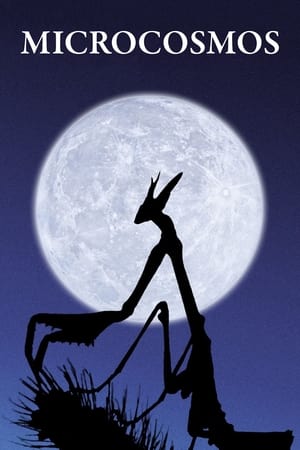
A documentary of insect life in meadows and ponds, using incredible close-ups, slow motion, and time-lapse photography. It includes bees collecting nectar, ladybugs eating mites, snails mating, spiders wrapping their catch, a scarab beetle relentlessly pushing its ball of dung uphill, endless lines of caterpillars, an underwater spider creating an air bubble to live in, and a mosquito hatching.
A day in the city of Berlin, which experienced an industrial boom in the 1920s, and still provides an insight into the living and working conditions at that time. Germany had just recovered a little from the worst consequences of the First World War, the great economic crisis was still a few years away and Hitler was not yet an issue at the time.