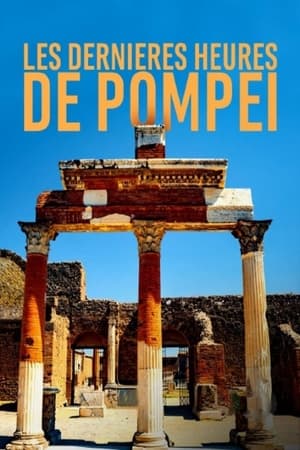
Experts uncover long-lost secrets and discover new evidence in the infamous story of Pompeii offering new stories of what happened in those fateful final hours. (This appears to be a a standalone, truncated, single movie adaptation of the three-part TV Series Pompeii's Final Hours: New Evidence (2018) [tmdbid= 86218].
From empire to ashes-Japan's rise, war, and reckoning. A gripping journey through ambition, conflict, and the cost of a nation's destiny.
Last Hours of Pompeii
On the same day that Stalin was buried, Sergei Prokofiev's funeral took place completely unnoticed. And if the farewell to the composer quietly went against the backdrop of the farewell to the dictator that swept the whole country, then in the play everything is the opposite - Prokofiev's music is in the center, and it is interrupted by the stories of those people who would probably ignore Stalin's funeral and went to say goodbye to the great composer.
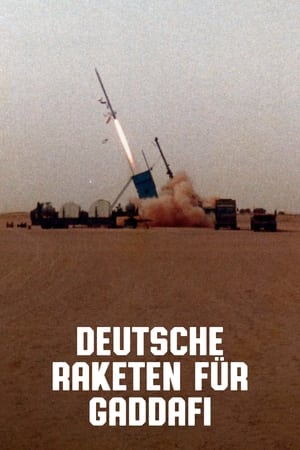
Deutsche Raketen für Gaddafi
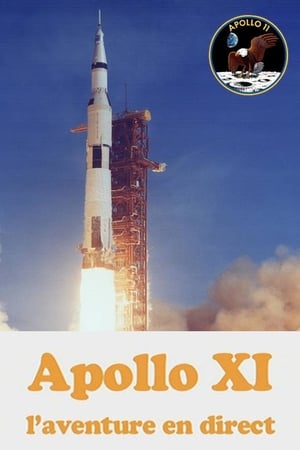
Apollo XI : L'Aventure en direct
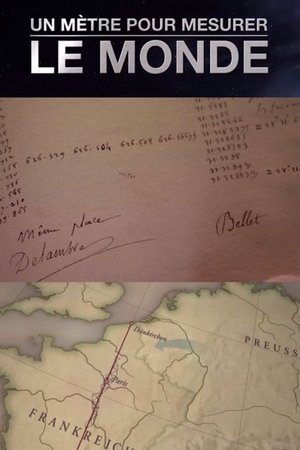
Un mètre pour mesurer le monde
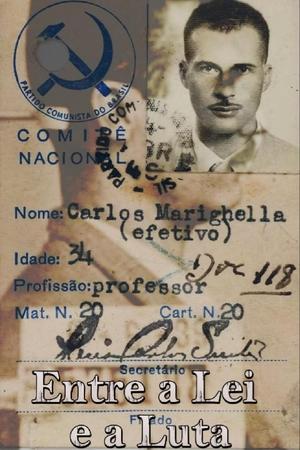
Entre a Lei e a Luta
Between February 4 and 11, 1945, three months before World War II ended in Europe, US President Roosevelt, British Prime Minister Churchill, and Soviet leader Stalin met in the Ukrainian city of Yalta to discuss how the continent should be politically reorganized after the imminent defeat of Nazi Germany.
A tale of how the great vision and epic failure of General Magic, the "greatest dead company in Silicon Valley", changed the lives of billions.
An American of Swedish origin and oil trader, Eric Erickson allegedly maintained business relations with the Nazi regime for the sole purpose of passing information to his country's secret services and working towards the defeat of the Third Reich. But what reality lies behind the heroic myth he himself created?
In the docudrama "Les Derniers Secrets de l'humanité" (The Last Secrets of Humanity), author and director Jacques Malaterre and paleoanthropologist and professor at the Collège de France Yves Coppens reveal the incredible adventure of Asian prehistory. How does science help to reconstruct these bygone times in images? Thanks to discoveries made at excavation sites and in analysis and genetics laboratories, researchers are now revealing this distant, vanished past.
This series incorporates the latest animated 3D films to explore recent discoveries about human history, especially in Asia.
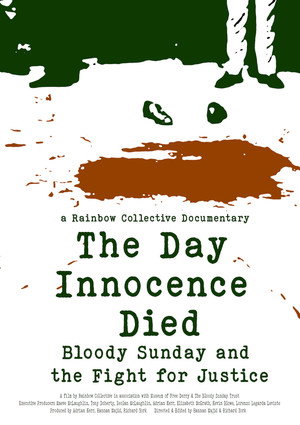
Derry, 1972; As the civil rights movement across the North of Ireland begins to secure unprecedented wins, the British state responds with lethal force, murdering 14 people and sparking a 60 year fight for justice and accountability by a community for whom everything had changed. From the acclaimed directors of ‘To Kill a War Machine’ and the community who took on the British state and won, ‘The Day Innocence Died’ tells the story of the Bloody Sunday massacre and its legacy, weaving unheard testimonies and indelible archive footage into an epic cinematic documentary.
From 1945 to 1989, after the capitulation of Nazi Germany, two rival ideologies, communism and capitalism, faced each other in a merciless battle. On one side of the Iron Curtain and on the other, throughout the Cold War, the USSR and the United States sought to shape children’s imaginations through their magazines and films. Never in the history of mankind have so many comic books been published and so many cartoons produced for young people. In November 1989, communism collapsed with the Berlin Wall; capitalism was left to decide the future of the world. What if this victory had been prepared for a long time, and our thinking conditioned, from our early childhood, to ensure this absolute triumph?
Delphes, nombril du monde
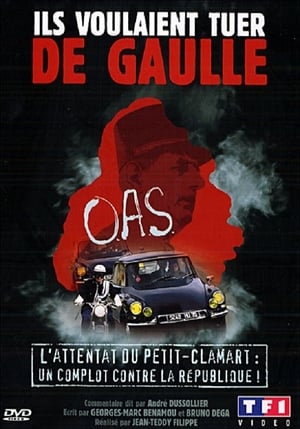
Based on the model of documentary fiction (alternating period films, interviews and re-enactments with actors), the film begins on September 8, 1961 with the failure of the Pont-sur-Seine attack on a road convoy carrying Charles de Gaulle, then President of the Republic, and continues with the slow preparation, the occurrence and the consequences of the Petit-Clamart attack on August 22, 1962.
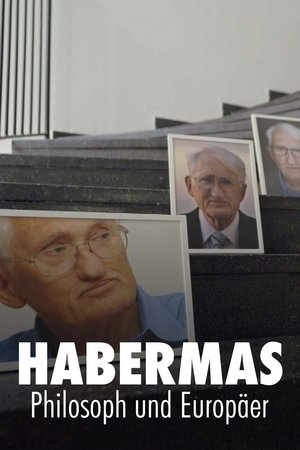
Habermas - Philosoph und Europäer
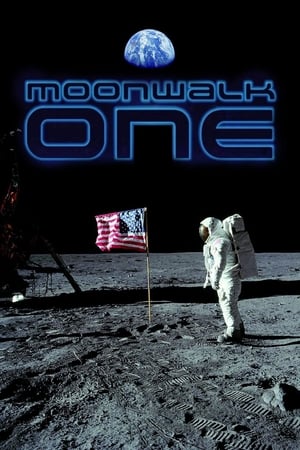
This documentary by Theo Kamecke from 1970 gives an in-depth and profound look at the Apollo 11 mission to the moon. NASA footage is interspersed with reactions to the mission around the world as the film captures the intensity as well of the philosophical significance of the event. Won special award at Cannes.
From the far north of Canada to the southern tip of Chile, through the southern United States, central Mexico and the Brazilian Mato Grosso, new concordant but still controversial archaeological discoveries have brought a new paradigm to the archaeology of American prehistory: the appearance of the first humans on the continent could date back to nearly 30,000 years before our era, that is to say, about 15,000 years earlier than the commonly accepted and taught thesis. Although there were a few mavericks in the past who disputed the scenario according to which the first ancestors of Americans arrived on foot through the Bering Strait 16,000 years ago, they were long kept out of the scientific community.