After World War II, 4,000 Polish families came to Australia. They were Jews, Fascists, anti-Communists, and others dispossessed. In a large hostel, where even married men and women were housed in separate barracks, the adults lived for two years while they worked off the government's payment of their passage. Even though he is married to Anna and has a son, Julian falls in love with Nina and she with him. As they and others face the new situations and prejudices that await immigrants and as they take on aspects of Australian culture, old-country values reassert themselves. Julian decides what to do about love and family, and Nina must find a way to move on.
Lukas, a young schizophrenic man, has to deal with a new town, a new relationship, and the paranoia in his head.
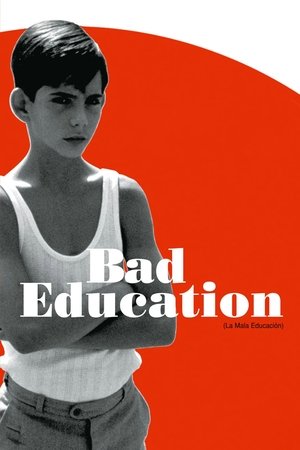
Spain, 1939. In the last days of the Spanish Civil War, the young Carlos arrives at the Santa Lucía orphanage, where he will make friends and enemies as he follows the quiet footsteps of a mysterious presence eager for revenge.
Any given Sunday of 1974 in Spain, soccer games in several stadiums, the sarcastic voice of commentators, the inevitable presence of advertising. Goal! The victors and the defeated.
This Traveltalk series short looks at four of Spain's most famous cities, Granada, Seville, Toledo, and Madrid, with an emphasis on the Moors and their influence on the country.
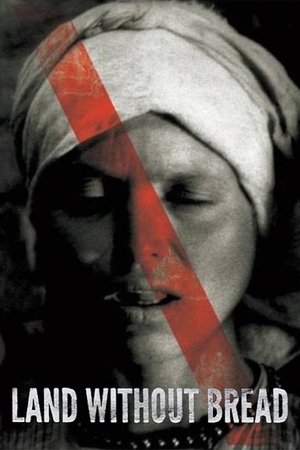
An account of the journey that King Alfonso XIII of Spain made to the impoverished shire of Las Hurdes, in the province of Cáceres, in the region of Extremadura, in 1922.
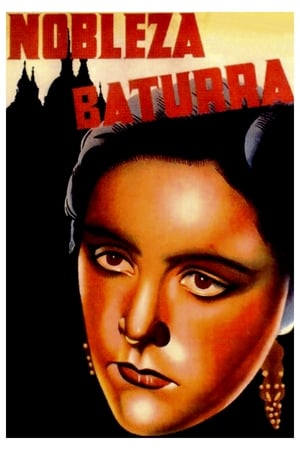
Aragón, Spain, early 20th century. María del Pilar is a honest girl whose good name is dirtied when an old suitor seeking revenge accuses her of losing her virginity outside of marriage. The scandal soon spreads throughout the countryside.
The only son of wealthy widow Violet Venable dies while on vacation with his cousin Catherine. What the girl saw was so horrible that she went insane; now Mrs. Venable wants Catherine lobotomized to cover up the truth.
After many years of confrontation, the treasures of Spain and France are empty. In 1721, the regent of France draws up an ambitious plan to inaugurate an era of peace and prosperity that will heal the economies of both nations: his intention is to build a solid network of marriage alliances that will involve four children of very different ages who know nothing of betrayals and power games…
Huelva, Spain, an isolated region lost in time. The grass, the sand and the sky are the same that those foreigners saw in the spring of 1895, when they crossed the sea from a distant country to mark the unspoiled terrain and extract its wealth, when the tower was new, when people could climb to the top of the highest dune and imagine that the city of Tartessos was still there, in the distance, almost invisible in the morning brume.
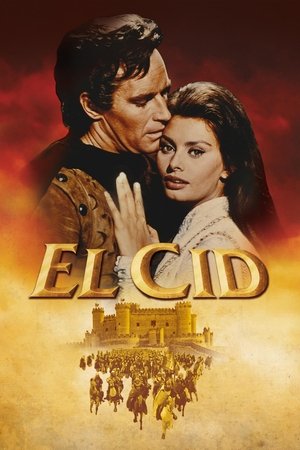
Epic film of the legendary Spanish hero, Rodrigo Diaz ("El Cid" to his followers), who, without compromising his strict sense of honour, still succeeds in taking the initiative and driving the Moors from Spain.
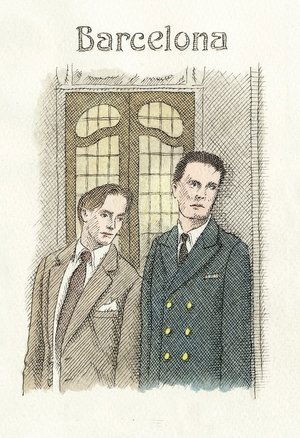
During the 1980s, uptight Ted Boynton is a salesman working in the Barcelona office of a Chicago-based company. He receives an unexpected visit from his cousin Fred, a naval officer who has come to Spain on a public relations mission for a U.S. fleet. Not exactly friends in the past, Ted and Fred strike up relationships with women in the Spanish city and experience conflicts -- Ted with his employer, and Fred with the Barcelona community.
Three siblings who detest each other and hiking must complete together a pilgrimage to Santiago de Compostela in order to be eligible to inherit their mother's wealth.
A particular reading of the hard years of famine, repression and censorship after the massacre of the Spanish Civil War (1936-39), through popular culture: songs, newspapers and magazines, movies and newsreels.
On his way from Madrid to Paris, Diego, a chief of the Spanish Communist Party, is arrested at the border for an ID check but manages to flee. When he arrives in Paris, he searches for one of his comrades to prevent him from going to Madrid where he could be arrested.
A man (José Luis López Vázquez) walks into a bar and shoots four people dead. Next day everybody is talking about the murders. The police know who the killer is and have his photo, but the man himself remains at large. Blanca (Serena Vergano), a lonely librarian, receives a letter from him, declaring his love for her. Apparently he has been a regular at the municipal library, although Blanca denies ever having noticed him.
Lola and Alfredo survive on the fringes of crime. Their business comes to an abrupt end when Alfredo is arrested. Lola gets the chance of working in a jazz club where the couple meet some very different characters, who open up new worlds and possibilities, but, along with this, the opportunity to change and choose.
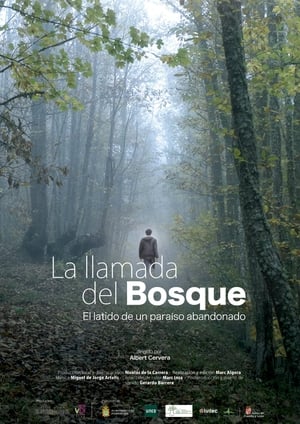
Christian, a young man from the city, travels to a town in Zaragoza, Spain of his recently-deceased father to throw his ashes and give a final farewell. He arrives to find the town abandoned years ago by everyone, leaving their houses to slowly crumble into memory, in search of better opportunities. Yet, one resident remains. An eccentric and wild man who has chosen to live alone in nature, to protect the remains of the village from the pillagers that often drive by in search of valuable artefacts. Their encounter will force Christian to confront his father's identity and perhaps finally understand why his father was the way he was.
An undertaker gets married to an old executioner's daughter and, although he doesn't like it, must continue the profession of his father-in-law after his retirement.
Middle-aged romance author Leo writes under a pseudonym, since she despises her own work. At home, her husband, who works overseas, is distant both physically and emotionally. As she reevaluates her life and writing, Leo is led to an unexpected relationship with Ángel, a sensitive newspaper editor.