A gypsy performer and friend flee the circus troop they work for and find an old house to take refuge. Little do they realize that the house is haunted when they encounter strange men, frightening apparitions, and secret passages.
Martina lives in the Rome's zoo, because her father is the guardian. She becomes friend with a young Slavic escaped from a gypsy camp. When the police arrives searching for the kid, they run away riding an elephant!
Tar Steam Princess Armada travels along Lake Saimaa to St. Petersburg and back during the years of Russian rule over Finland. The ship's crew gets tired of their sophisticated coffee maker and replaces her with Roma girl Veera, who has escaped from an arranged marriage. On the way back, mysterious passengers appear on the ship.
In an effort to end family feuding, a young gypsy travels back in time to kill mammoths to ensure Hungary becomes rich by killing mammoths in order to create a massive oil reservoir. Things don't go entirely according to plan...
In this luminous tale set in the former Yugoslavia, Perhan, an engaging young Romany with telekinetic powers, is seduced by the quick-cash world of petty crime that threatens to destroy him and those he loves.
Unscrupulous boxing promoters, violent bookies, a Russian gangster, incompetent amateur robbers, and supposedly Jewish jewellers fight to track down a priceless stolen diamond.
On Saturday, 5 April 1941, one day before the Invasion of Yugoslavia of the Kingdom of Yugoslavia, a colourful group of random passengers on a country road deep in the heart of Serbia board a dilapidated bus, headed for the capital Belgrade. The group includes two gypsy musicians, a World War I veteran, a Germanophile, a budding singer, a sickly looking man, and a hunter with a shotgun. The bus is owned by Krstic senior, and driven by his impressionable and dim-witted son Misko.
A former world-famous conductor of the Bolshoï orchestra, known as "The Maëstro", Andreï Filipov had seen his career publicly broken by Leonid Brezhnev for hiring Jewish musicians and now works cleaning the concert hall where he once directed. One day, he intercepts an official invitation from the prestigious Théâtre du Châtelet. Through a series of mad antics, he reunites his old orchestra, now composed of old alcoholic musicians, and flies to perform in Paris and complete the Tchaikovsky concerto interrupted 30 years earlier. For the concerto, he engages a young violin soloist with whom he has an unexpected connection.
Matko is a small time hustler, living by the Danube with his 17-year-old son Zare. After a failed business deal he owes money to the much more successful gangster Dadan. Dadan has a sister, Afrodita, that he desperately wants to see get married so they strike a deal: Zare is to marry her.
Danielle, a vibrant young woman, was forced into servitude after the death of her father when she was a young girl. Danielle's stepmother, Rodmilla, is a heartless woman who forces Danielle to do the cooking and cleaning, while she tries to marry off the eldest of her two daughters to the prince. But Danielle's life takes a wonderful turn when, under the guise of a visiting royal, she meets the charming Prince Henry.
Marilyn Jordan, an American, lives in Stockholm with her Swedish husband and family. Her behavior is bizarre, perhaps mad: she poisons the dog's milk and advises the dog not to drink it; she sets the sheets afire as her husband sleeps; she crawls under the dining table to sing. While detained at airport customs for carrying pruning shears, she meets a young Yugoslav woman and goes with her to a Gypsy enclave where she's fought over, takes a lover, helps with the sordid entertainment at a bar, and returns home more dangerous than before. The film also tells parallel stories of Marilyn's daughter becoming a junior homemaker as the young immigrant practices her striptease.
Stan and Ollie travel with a band of 18th-century Gypsies holding a nobleman's daughter.
Four good old friends - all railwaymen until the change of regime - will be the victims of the cutbacks. Many years later, when the old station has been removed by thieves, the former stationmaster of Honos village, Lajos Zsuzsa, receives a notice from the town to go to the station office. Lajos Zsuzsa, in order to get the four friends occasionally back to work, lies that the station still exists and that they are able to carry out their duties.
A tuxedo-clad wolf Master of Ceremonies announces the evening's program: the tale of the Big Bad Wolf and the Three Little Pigs, set to the music of Johannes Brahms's Hungarian Dances. Queue the fairy tale.
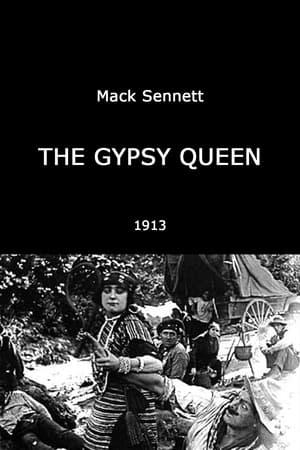
Two phony fortune tellers get mixed up with gypsies.
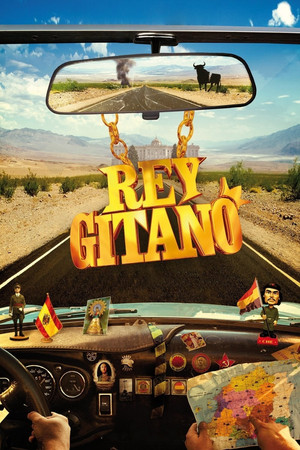
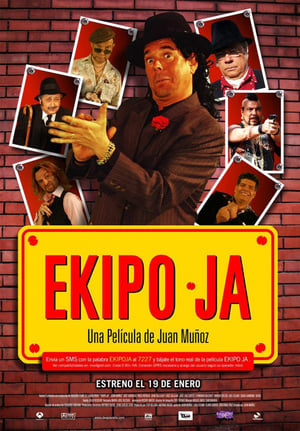
The Ekipo Ja, a group of sane gypsies led by the gypsy Juan De Dios, is in possession, unknowingly, of a sacred seal able to make wishes to him who possesses it. And who wants to possess above all is the Marquesa, a wealthy stranger who does not hesitate to use cunning Italian art dealer persecuted by the police and associated with the Russian mafia, to remove the seal from Juan de Dios. But neither the Marquesa, neither the Italian nor the Russian, not even the Spanish Police, known the capacity Juan de Dios and his men to mess things up and, incidentally, become involved themselves.
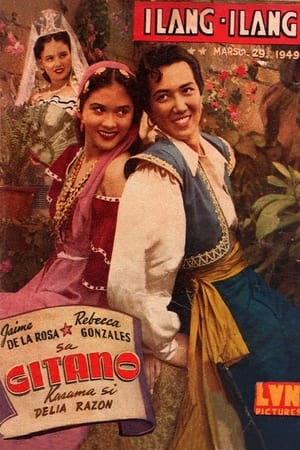
The story deals with the gaieties and frolics of Gypsies led by Ricardo, shown here dancing with Ramona.
Albert Engström's anecdotes of Småland have been put together to make a comedy film about Johannes and Cornelius, two smallholding farmers and best friends.
A gypsy seductress is sent to sway a goofy officer to allow a smuggling run.
An honest and humble gypsy lives in a poor neighborhood with his family until something unexpected changes his life forever.