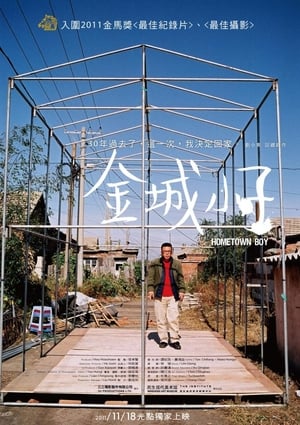
One of the best-known Chinese figurative painters, Liu Xiaodong goes back to his hometown of Jincheng, in the province of Liaoning (North-East China), to re-paint again friends and relatives after several years have gone by. With a soundtrack by famed composer Lim Giong (Millennium Mambo, The Assassin).
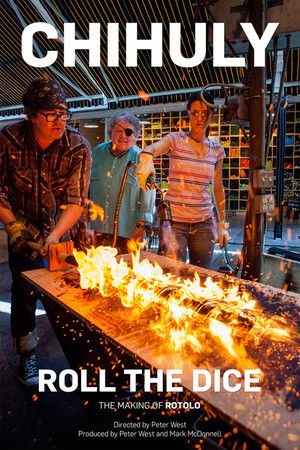
Seattle artist Dale Chihuly and his team test the limits of working in the glass medium as they pioneer “a new creative concept.” This documentary depicts Chihuly’s five-year creation of "Rotolo." The Italian word for coil, Rotolo is a series of large-scale sculptures twisting upward toward the sky.
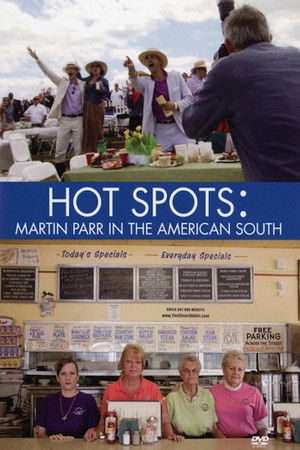
Hot Spots: Martin Parr in the American South, a thirty minute documentary short, examines the photography of Magnum's most controversial and prolific member as he gathers images for his first commission by a major American art museum, the High Museum of Art in Atlanta. From the first shot at the Cactus Car Wash to the unusual travel tip offered to Martin at the Atlanta Steeple Chase six months later. Psychobillys, tailgate partiers, roller derby teams, art collectors and gamblers...Martin Parr's energy and x-ray vision burn through the South like a modern day William Hogarth's. The film features interviews with Susan Meiselas, Philip Gefter, John Gossage and Julian Cox. Hot Spots shows us Martin Parr at his most outrageous.
Pyhä
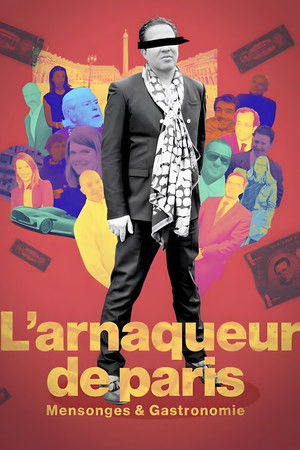
In 2014, businessman Cédric Naudon announced that he would launch the Jeune Rue project in Paris's 3rd arrondissement: a street that would become a hub for luxury, design, and gastronomy. The Parisian elite was thrilled to hear Naudon's plans. But this utopia ultimately turned out to be an empty shell.
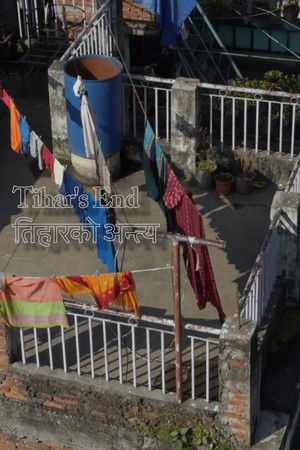
Filmed from the last night of Tihar, festival of light, in Kathmandu 2025, exploring colour, light and stillness.
Documentary about belgian illustrator Félicien Rops (1833-1898) whose works combined eroticism and death in a very provocative way.
‘Under the Weight of a Waking Dream’ is Zefier's debut swan song to the ending year. Comprised of poetry and endless enumerations is a diaristic film chronicling the lessons and contradictions found throughout the human experience.
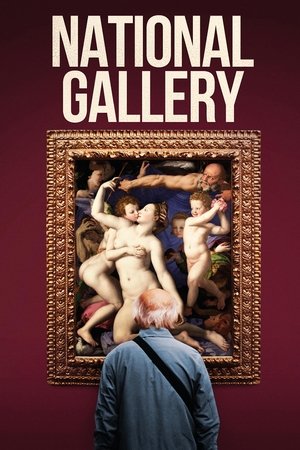
A portrait of the day-to-day operations of the National Gallery of London, that reveals the role of the employees and the experiences of the Gallery's visitors. The film portrays the role of the curators and conservators; the education, scientific, and conservation departments; and the audience of all kinds of people who come to experience it.
An auteur-director who wishes to make a documentary about Armenia imagines a fictitious character that has the ability to travel through bodies. The latter will alternatively embody: a young farmer that dreams to flee from the countryside to more urban spheres, a prostitute who is a survivor of rape, a narcissistic client, a fallen artist and finally, a resisting deserter.
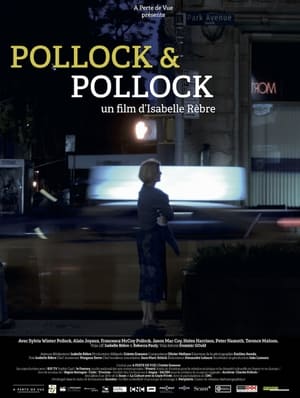
Jackson and Charles Pollock, two brothers, two painters, are caught up in the twists of twentieth century American history. The electrical center of their trajectory is New York. Their correspondence resonates with it, questions a myth and brings a painter out of the shadows.
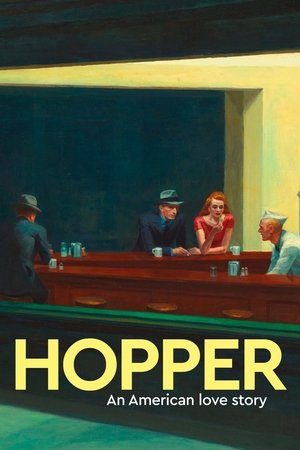
Countless painters, photographers, filmmakers and musicians have been influenced by Hopper's art – but who was he, and how did a struggling illustrator create such a bounty of notable work? This documentary takes a deep look into his art, his life, and his relationships from his early career as an illustrator; his wife giving up her own promising art career to be his manager; his critical and commercial acclaim; and in his own words—the enigmatic personality behind the brush…
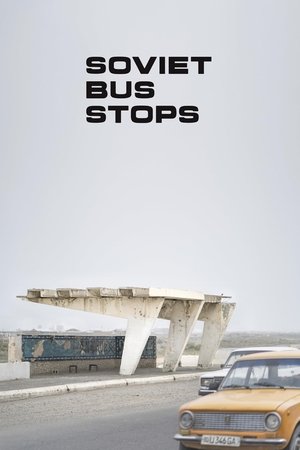
“There’s a bus stop I want to photograph.” This may sound like a parody of an esoteric festival film, but Canadian Christopher Herwig’s photography project is entirely in earnest, and likely you will be won over by his passion for this unusual subject within the first five minutes. Soviet architecture of the 1960s and 70s was by and large utilitarian, regimented, and mass-produced. Yet the bus stops Herwig discovers on his journeys criss-crossing the vast former Soviet Bloc are something else entirely: whimsical, eccentric, flamboyantly artistic, audacious, colourful. They speak of individualism and locality, concepts anathema to the Communist doctrine. Herwig wants to know how this came to pass and tracks down some of the original unsung designers, but above all he wants to capture these exceptional roadside way stations on film before they disappear.
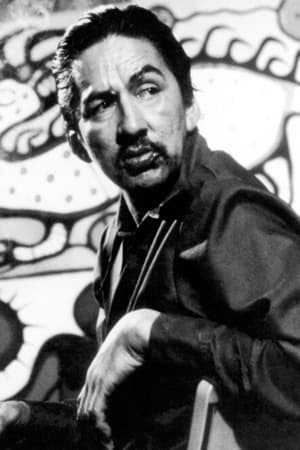
In this revealing study of Norval Morrisseau, filmed as he works among the lakes and woodlands of his ancestors, we see a remarkable Indigenous artist who emerged from a life of obscurity in the North American bush to become one of Canada's most renowned painters. Morrisseau the man is much like his paintings: vital and passionate, torn between his Ojibway heritage and the influences of the white man's world.
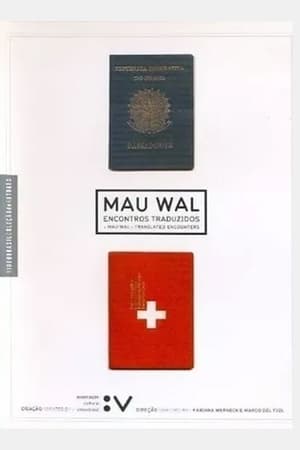
Maurício Dias & Walter Riedweg often say the streets are their studio. From the observation of them and of those who populate them there arise installations about encounters, identity and territoriality. The Brazilian-born Dias met the Swiss Riedweg in 1993. Together they learned that they could boost one another’s ideas. “This marriage became Mau Wal,” says Dias. In this documentary, they present their works and the many characters behind them: people who make day-to-day living in the big cities. Street vendors at a Northeast Brazilian fair in São Paulo, illegal immigrants in their quest for the European dream, street kids and their memories. In stories or in the role it plays, the human element is always a centerpiece to the duo’s work.
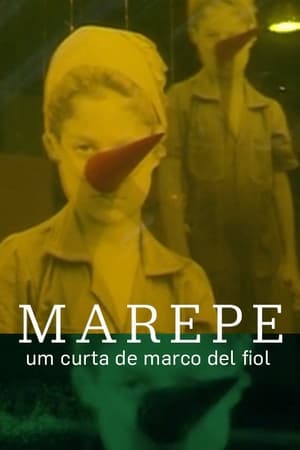
Marepe, an artist from Bahia, produces art with anything he comes across in the town he lives in, Santo Antônio de Jesus. Packs of cigarettes, coconut palms, walls, and memories taken from the streets, go into putting together a personal archeology for this young artist.
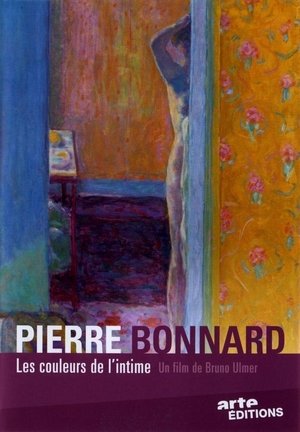
How did Bonnard, one of the great masters of 20th-century painting, a secretive, anxious man with an ordinary everyday life, become this undisputed painter of intimacy, capable of transforming reality into a unique and incandescent world? Through his paintings, but also his private journals, his correspondence with Matisse and Vuillard, the photographs he loved, and the places where he lived, the film immerses us in the world of this master of color.
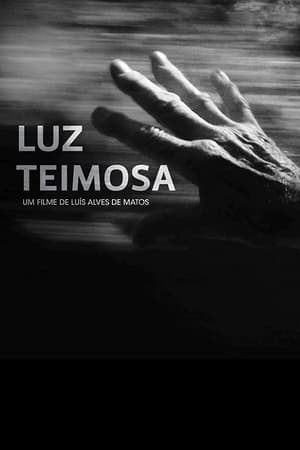
Fernando Lemo's world is fiercely stripped of any external logic, as Jorge de Sena once said. His artistic gesture blends with his own existence, where the poetic principle comes first. And with the light that insists to come through the half-closed door, the fear of life is vanquished in the battle fought with death. Thus, each word is born within another word and each image within another image. Out of how many knives is love made, the poet wonders?
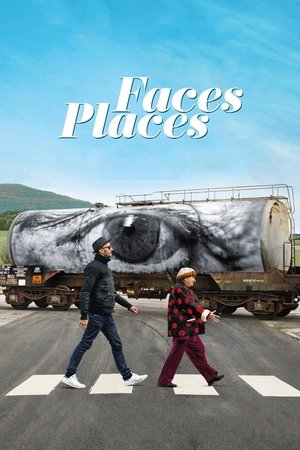
Director Agnès Varda and photographer/muralist JR journey through rural France and form an unlikely friendship.
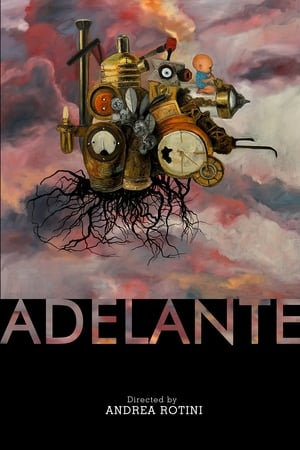
A documentary about the artist Desiderio, directed by Andrea Rotini. With the partecipation of Alessandro Riva, Chiara Canali, Francesco Santaniello. Texts and translations by Gemma Jalenti