We're entering the Earth's sixth era of extinction -- and it's the first time humans are to blame. CNN introduces you to the key species and people who are trying to prevent them from vanishing.
DESERT PHOSfate is an artist film that tells about the impact of phosphate on the Sahrawi community and its fate, including the surprising emergence of family gardens and their knowledge of how to farm in the desert without the processed phosphorus that had caused the dislocation of the Sahrawi nomads from their homeland of Western Sahara.
A documentary on Al Gore's campaign to make the issue of global warming a recognized problem worldwide.
A look at the state of the global environment including visionary and practical solutions for restoring the planet's ecosystems. Featuring ongoing dialogues of experts from all over the world, including former Soviet Prime Minister Mikhail Gorbachev, renowned scientist Stephen Hawking, former head of the CIA R. James Woolse
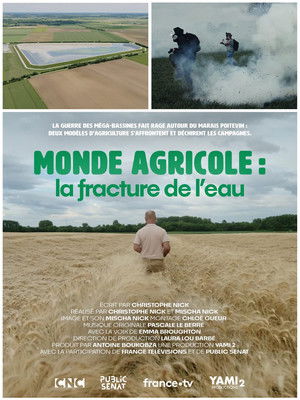
Monde agricole : la fracture de l’eau
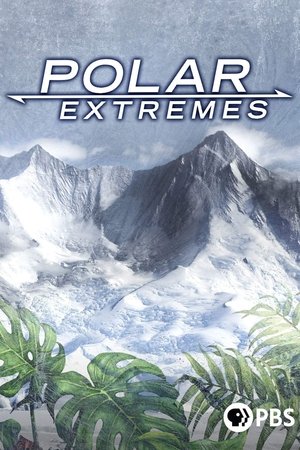
Renowned paleontologist Kirk Johnson takes us on an epic adventure through time at the polar extremes of our planet. Following a trail of strange fossils found in all the wrong places—beech trees in Antarctica, hippo-like mammals in the Arctic—Johnson uncovers the bizarre history of the poles, from miles-high ice sheets to warm polar forests teeming with life. What caused such dramatic changes at the ends of the Earth? And what can the past reveal about our planet’s climate today—and in the future?
Autour du monde, sur les traces du climat
“Te Pito o Te Henua” (The Navel of the World) tells the story of the community behind Rapa Nui’s largest and most colorful annual Indigenous celebration, the Tāpati Rapa Nui Festival. Honoring ancient rites and competitions, Rapa Nui families participate in nine days of athletic feats, cultural demonstrations and ceremonies paying respect to the land, water and other natural beings of the island. They also crown a Queen to represent her people for a year throughout Polynesia and on the world stage. The film traces the journey of 19-year-old candidate Vaitiare and her family as they join work to earn her the crown and represent this small but well-known island as its people fight for increased autonomy and recognition on the world stage. Through intimate character portraits, behind-the-curtain moments and heartfelt musical performances, “Te Pito o Te Henua” reveals the true meaning of Tāpati and the deep connections the Rapa Nui share with their lands and waters.
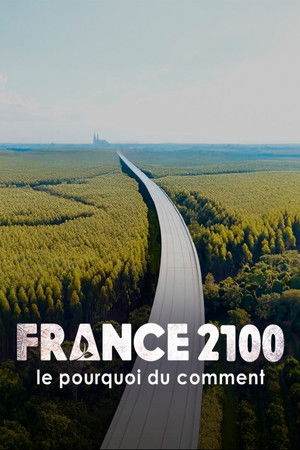
France 2100, le pourquoi du comment
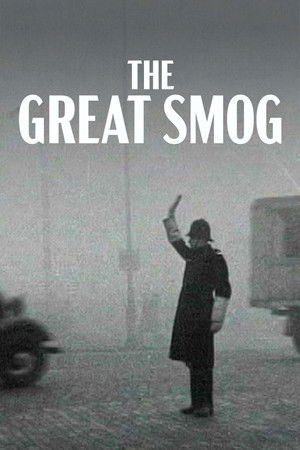
For five days in December 1952, a thick smog suffocated the British capital causing the death of thousands of Londoners. The health catastrophe lead to a realisation, in Britain and around the world, that air pollution was a serious threat to human health. This documentary reveals what happened, hour by hour, in one of the worst peacetime disasters of the 20th century.
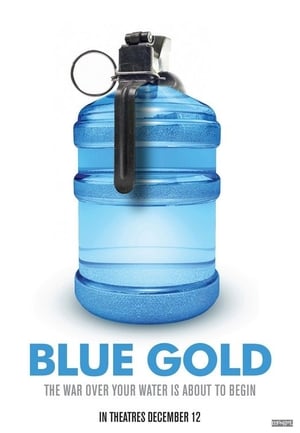
Wars of the future will be fought over water as they are over oil today, as the source of human survival enters the global marketplace and political arena. Corporate giants, private investors, and corrupt governments vie for control of our dwindling supply, prompting protests, lawsuits, and revolutions from citizens fighting for the right to survive.
On an unknown planet, an old space farmer is working with his robot partner to move equipment around. From the outset, there is some obvious friction between the two characters, and a feeling of differing priorities. When the farmer makes an interesting discovery, will that clash of priorities push them into conflict with each other? What impact will the conflict have on the newly found object?
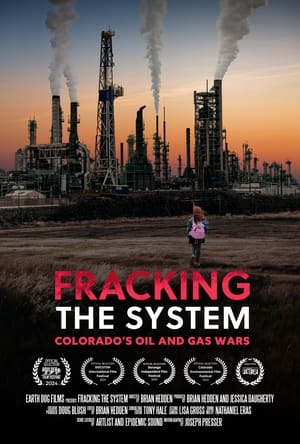
Fracking the System is a political thriller documentary from the front lines of climate justice activism in Colorado. When a fracking mega-site gets moved from a White neighborhood to a BIPOC neighborhood, a concerned mother fights to try and stop it. This is an investigative exposé about the harms of fracking, the lengths to which the government is complacent with industrial pollution, and the nefarious tactics that the oil and gas industry uses to undermine democratic elections.
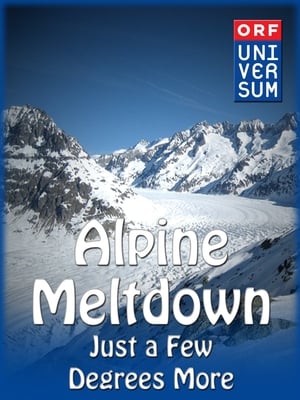
The climate is changing, global temperature is rising. The impacts are already apparent, especially in the mountains but also in the lowlands. The permafrost zone is shifting higher up and the masses of snow melt whooshing from the glaciers to the valleys are already increasing incessantly. Rivers are going to rise up to powerful floods and dwindle down to extremely low waters the next second.
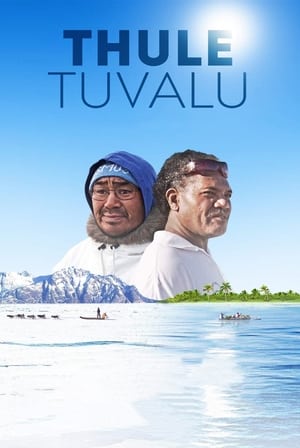
Thule, Greenland, also called Qaanaaqis, one of the northernmost towns in the world. As the climate warms and the ice caps begin to melt, the gentle balance of life for the people of this community is in jeopardy. On the other side of the globe, the melting ice caps are raising sea levels around the Polynesian island nation of Tuvalu, threatening to wipe the island right off the map. Though a world apart, these two communities are intricately connected as environmental balance begins to tip and traditional ways of life are threatened. 'ThuleTuvalu' is a stunning documentary addressing the high price of a hundred years of development and how two very different communities are now bound together in facing an uncertain future.
Milah van Zuilen, visual artist and forest ecologist in training, uses the square to deal with the habit of people to construct nature. Square Fieldwork is filmed in the Bohemian forest in the Czech Republic and the concrete structure of Barendrecht, The Netherlands.
This film illustrates how a revolution in one of the most basic of all human enterprises – the making of maps – is shedding new light on our planet's evolution as global temperatures rise. This original MagellanTV documentary explores the dynamic processes causing glaciers in Greenland and Antarctica to melt, and shows how rising seas could threaten coastlines around the world.
A black-and-white visual meditation of wilderness and the elements. Wildlife filmmaker Richard Sidey returns to the triptych format for a cinematic experience like no other.
Using nature shots with narration and a musical score, this documentary tells the story about the Moken, Myanmar's last sea nomads.
An embodied investigation into Britain's only named wind - The Helm - WHEN THE CROWS WALKS HOME takes the viewer on an immersive journey with (and by) the Helm Wind.