A visual album made to accompany the EP of the same name by I.L.L.
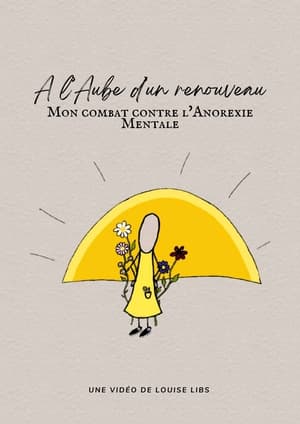
In this farewell letter to Ana (aka Anorexia), I reveal the suffering associated with this illness. I express my desire to regain my freedom and vitality by sharing not only my progress but also my relapses. Through the interweaving of drawings and poetry, I share this quest for reconstruction, which I hope will help raise awareness of this mental illness and bring a little hope to people affected by it and those around them.
On the planet Gandahar where peace reigns and poverty is unknown, this utopian lifestyle is upset by reports of people at the outlying frontiers being turned to stone. Sylvain is sent to investigate this mysterious threat.
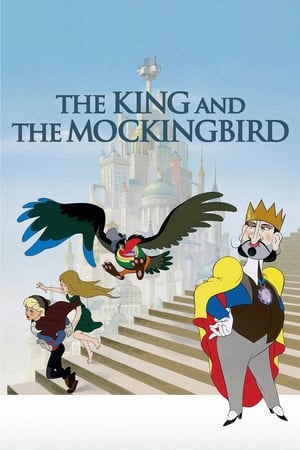
A young shepherdess and a chimneysweep plan to get married and escape the clutches of a tyrannical king in love with her, assisted by the guile of a cheeky mockingbird, the king's archenemy.
Em direção à Ítaca
Four Montrealers search for their path within their failing metropolis, mirroring the deterioration of their deepest ambitions. A cinepoetic journey through Montréal- both modest and morose- woven together by the sounds of small things.
A short tale about nature and isolation. Narrated by Andrei Tarkovsky. Shot on 16mm Fomapan R in spring 2020.
An incoherent film diary.
A movie that provokes reflection on the nature of reality and the veracity of our relationships and experiences. On questions of what is real and what is merely an illusion, the magic of the film's journey through different levels of consciousness, full of mysterious corners and strange memories, is revealed. The borders between dream and reality blur, creating an extraordinary story about feelings and the condition of human existence.
“After So Long // बरसों बाद” is a visual poetry set in Mumbai (India) and voiced by Simha and their parents to symbolise their connection with each other; a walkabout through time and memories. Directed by Varsha Panikar, the film takes inspiration from vintage-home-movie culture to create a contemplative and nostalgic vignette of an artist’s spiritual journey out of the darkness and into the light.
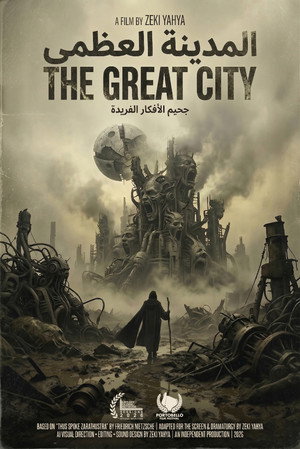
"Inspired by Friedrich Nietzsche's seminal work 'Thus Spoke Zarathustra', THE GREAT CITY is a profound cinematic inquiry into the ontology of truth within the digital ruins of the modern world. The film navigates the psychological landscape of the 'Last Man', exploring the encroaching desert of the soul and the 'blind point' of human consciousness. Through a minimalist and melancholic visual language, it challenges the viewer to confront the illusions of contemporary existence and the search for authentic meaning in an era of absolute spiritual void."
From turbulence to stillness, light and matter pass through a succession of transformations. Amid shifting particles and luminous forms, chaos gradually gives way to revelation.
Fue una clara tarde, triste y soñolienta
At the height of their relationship, two great friends since junior high school realize a significant life change may come sooner than later.
A poetic translation of the universal feeling at one's unknown next step. It connects to the overwhelming periods of doubtful thoughts yet resilient ambition one may encounter. A visual and aural combination of fear yet fearlessness.
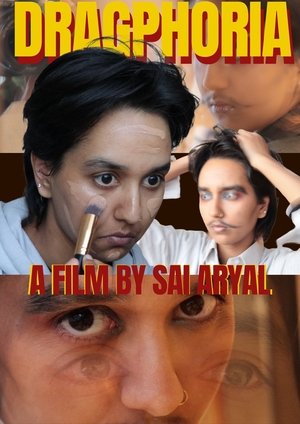
Dragphoria is a short film about drag and identity, finding yourself in a noisy crowd, and slowly accepting yourself after a long-awaited denial.
A kaleidoscopic montage, interpreting the poem "Our Punjabi Market" by Kuldip Gill depicting the vibrance of the Punjabi Market at 49th and Main in East Vancouver, BC.
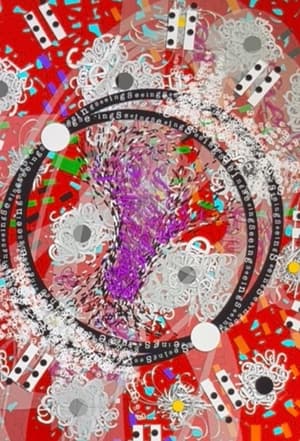
Through meticulous cut-up, collaging and stop motion, Nico Vassilakis makes words dance across the screen, moving our eyes in all different directions. This video poem is dynamic and colourful, and brings into question what happens when we 'see' a word - where do we distinguish between the image a word forms in our minds, and the image it forms on a page or screen?
County Magistrate, County Magistrate depicts a collective migration unfolding in an indeterminate time and place. Men, women, and children from a village move through mountains as the sky gradually grows dark, walking resolutely into the distance until they arrive at a new settlement. The abandoned courtyards they leave behind still bear traces of daily life: a steaming kettle, unfinished bowls of food, an old television flickering with static, and worn-out pieces of furniture. The camera then slowly pans to an outdoor movie screen showing After Armistice, a black-and-white film released in 1962. In the film, a man draws a business card from his pocket and introduces himself as Xianghe’s newly appointed county magistrate. At this moment, the story slips into another layer of fictional time and space.
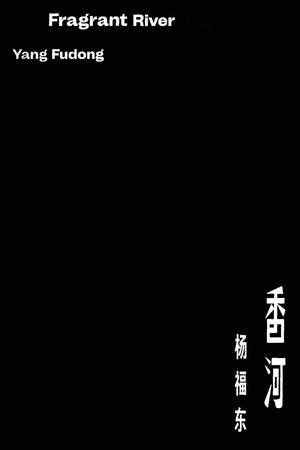
A 15 part film featuring scenes from Xianghe, running from the mundane to the surreal: people parade in opera costumes, slaughter pigs in public and dine on the fields; they bury the dead and get married, tickling the bride and groom, everything done without speech. Sitting somewhere between intimate personal reels and detached ethnographic records, the work creates a simultaneous sense of immersion and distance – of the type you might associate with end-of-life flashbacks. Yang gives nostalgia a fantastic, mystical bent, as if to suggest that to revel in memory is a creative act.