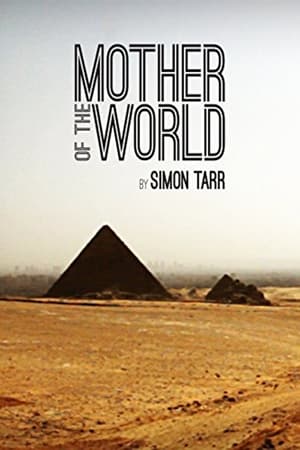
Six million tons, suspended by the slightest gesture. Mother of the World presents a series of brief vignettes of Cairo just prior to the 2011 Egyptian Revolution. These fragmented scenes choreograph class structure and foreign influence into an intimate, poetic view of a nation about to change.
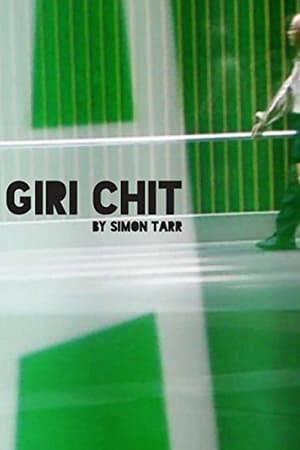
GIRI CHIT tells a tale of the subtle trace of irreconcilable worlds. A worker driving a mobile sweeper in hypnotic circles across an already immaculate surface. The high drama of cosplay aficionados clamoring to be seen. A cast of thousands toiling hundreds of feet above the street. Giri translates as ‘duty’ in Japanese, but the concept is in fact far more complicated. Giri is a sort of interpersonal political capital that informs careers, family relations, and much more. Its presence and flow is palpable in Japan, where this film was shot. A “giri chit” then may be a hypothetical voucher for this intangible flow (with a tip of the cap to Thomas Pynchon’s “Vineland”). Selected Screenings and Awards: DaVinci Film Festival (Best Experimental Film), Chicago Underground Film Festival, Athens International Film and Video Festival, Dallas Videofest, ICDOCS Film Festival, NewFilmmakers at Anthology Film Archives, Oxford Film Festival, Director’s Lounge Berlin
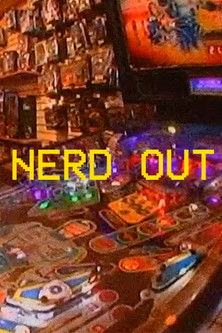
A documentary about three different physical media shop owners "nerding out" about the media that their store specializes in and their thoughts on how one day physical media may become obsolete.
Letter to L.Y is Stephanie Mavi Garcia Panclas' second experimental film for their class. The film surrounds the feeling of nostalgia shown through the layering of video.
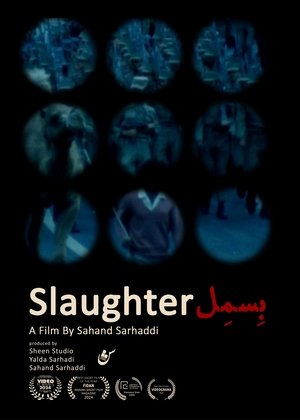
"Slaughter" is an experimental short film that delves into the archival and historical footage of the Iranian Revolution in 1979, depicting a symbolic narrative surrounding the ritualistic act of animal sacrifice, known as "Besmel." It serves as an allegorical representation of a nation's sacrifice amidst the backdrop of political transformations.
Atlantic Poems - La Force
Latest installment from the on-going collaboration between filmmaker Paul Clipson & musician Jefre Cantu-Ledesma. Paul's Super8 films, shot entirely in New York City, channel the blissed out states of color drenched psychadellia explored by Brakage as well as lovely black and white still life's that reminisce on Ozu's 'pillow shots' & Chantel Akermans monumental portrait of Pre-Giuliani New York 'Letters Home'. Jefre's music is culled from the same sessions that launched his 2007 release on Students Of Decay 'Shinning Skull Breath', (the two share a track in common). Billowy clouds of distorted guitar expand out into long passages of muffled static and fuzzed out melody.
Samba, Popping, and Jazz. Through these dance styles and documentary interviews, Bodies That Tell Stories seeks to discuss the standardization and whitening of dances that had their roots in Black people.
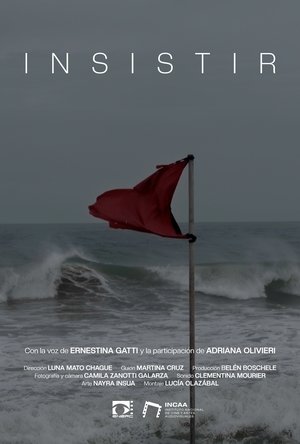
A documentary about the sea and memory. Its movement is its form. Its strength.
A short study on our relationship with natural landscapes, the evolution of spaces and the memories they hold
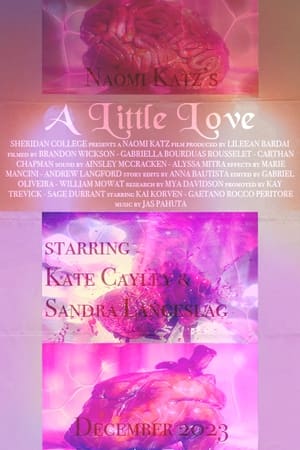
Through interspersed conversation and prose, this experimental documentary follows a poet and a neuroscientist as they explore the definition of love, what it means, and why it matters.
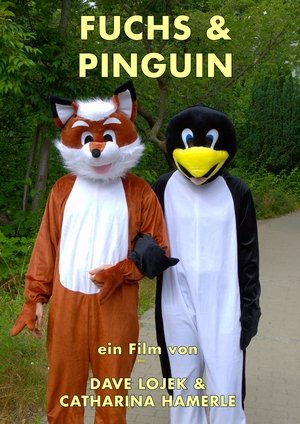
How do German couples communicate in private? What are they arguing about? Is the way to a man’s heart really through his stomach? This docu-fictional hybrid production discusses such questions with the help of authentic interview snippets that were edited under the staged plot. We get an insight into the life of an animal couple, who experience typical everyday situations on behalf of us humans. At first, our fox is emotionally contained, while the penguin lady may get wild as hell. With a wink, the filmmakers hold up a mirror to the audience in the cinema.
A very short film on the exploration of textural nuances through the city of Dublin. Shot on iPhone. Accompanied by a score.
Un jour avec Andrée
A silent city symphony, projected from gorgeous black and white 16mm film. Materia vibrante lets the resonating frequencies of the urban environment create the inaudible hum that keeps the engines of society running, absent of the inhabitants running around like little ants toiling away.
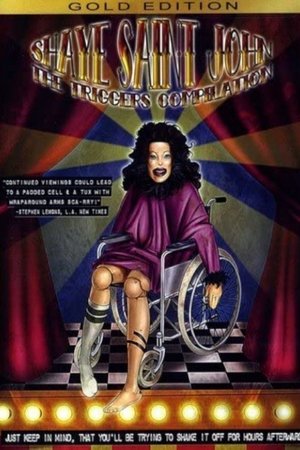
Welcome to the funbubble! Over 2 hours of bizarre entertainment. Meet Shaye Saint John, former supermodel who now has no arms or legs and her special friend Kiki (a burnt doll). This series of shorts documents the daily collision of Shaye's glamorous fantasies with the realities of the physical limitations of her everyday life. These films with their juxtaposition of child-like imagery can be genuinely disturbing without a hint of blood, violence, nudity, cursing, or off-color subject matter of any sort. Watching Shaye do her schtick is akin to watching a segment of one of John Waters' early flicks. There is no question about the fine line between maddness and genius here -- it's madness, plain and simple, dizzying in its detachment to reality. Depending on your outlook, Shaye Saint John is either a true testimony to the power of art to rise above adversity or these films are hidden footage from a ward for the criminally insane!
Fireworks
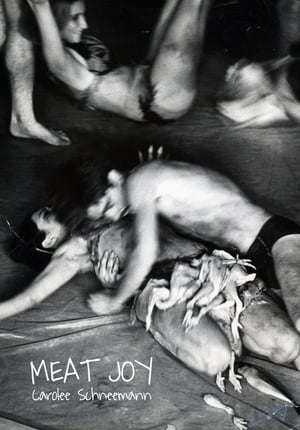
"Meat Joy is an erotic rite — excessive, indulgent, a celebration of flesh as material: raw fish, chicken, sausages, wet paint, transparent plastic, ropes, brushes, paper scrap. Its propulsion is towards the ecstatic — shifting and turning among tenderness, wildness, precision, abandon; qualities that could at any moment be sensual, comic, joyous, repellent. Physical equivalences are enacted as a psychic imagistic stream, in which the layered elements mesh and gain intensity by the energy complement of the audience. The original performances became notorious and introduced a vision of the 'sacred erotic.' This video was converted from original film footage of three 1964 performances of Meat Joy at its first staged performance at the Festival de la Libre Expression, Paris, Dennison Hall, London, and Judson Church, New York City."
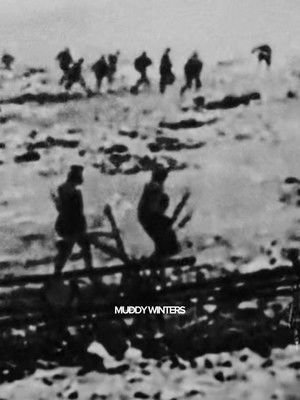
Cold pearly winters and the brutality of war running simultaneously.
Bolivian artist and filmmaker Luciana Decker Orozco delves into ancient and essential acts: eating, masticating and digesting. Her suggestive celluloid slips through mouths, intestines and entrails, as well as experiments in the catacombs of the human being and the Earth. Inspired by the avant-gardist and indigenist Peruvian writer Gamaliel Chumata, the surface and the underground, the real and the extraordinary, mysteriously merge together.