The feature film reflects the terrible days of the tragedy and the suffering experienced through the example of Durdana Aghayeva and her brother Elshad Aghayev, who witnessed the Khojaly genocide and were subjected to severe torture for 8 days in Armenian captivity.
He is Khagani Aliyev, a resident of Saricali village of Aghdam. On July 23, 1993, Khagani Aliyev, who heard about another Armenian attack on Aghdam, went home to take his parents who had not left the village to a temporary safe area...
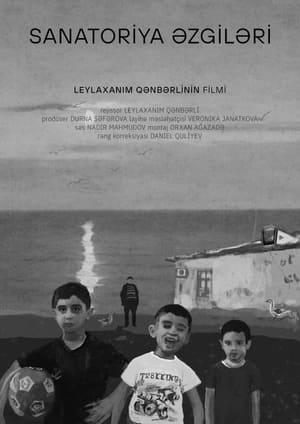
For thirty years now, a dilapidated house has been providing essential asylum to war refugees from Nagorno-Karabakh. Three generations, including the children and grandchildren of people made to leave their homes, struggle to scratch an existence on the outskirts of Baku. They are faced with common problems: loss of home, outrooting, sadness and illnesses.
A couple returns to Aghdam, the city they once fled 32 years ago due to the war. It's a story about memory held in people, and about the small, powerful ways the past resurfaces when you finally face it.
Faced with the wreckage of a failed film project and the turmoil of his troubled youth, a young filmmaker, urged by his friends, seeks refuge in therapy. Each session becomes a battleground where he confronts his deepest fears and darkest nightmares. As his life unfolds in the therapist's office, a glimmer of hope emerges amidst the chaos. Yet the journey is fraught with peril, forcing him to confront painful memories and insecurities. Through unwavering determination, he triumphs over his nightmares, emerging from the shadows reborn and renewed. This film is a testament to the power of the human spirit, offering hope even in the darkest of times.
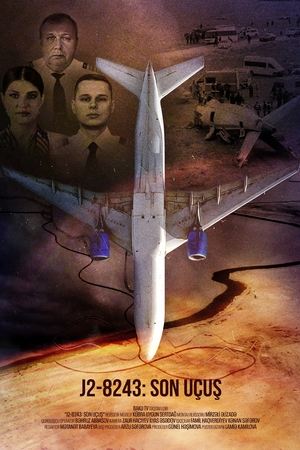
J2-8243: Son Uçuş
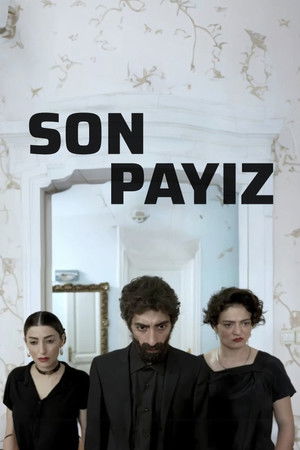
The film "Last Autumn", written and directed by Rustam Babazadeh, is a comedy genre with elements of grotesque and satire.
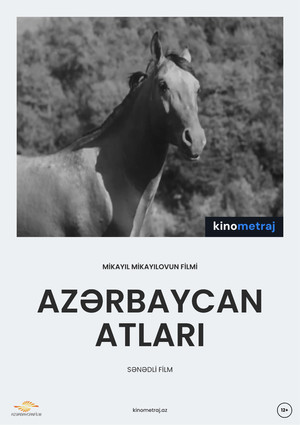
The film is about the breeding of the famous Karabakh horses at the Aghdam equestrian factory.
Though both the historical and modern-day persecution of Armenians and other Christians is relatively uncovered in the mainstream media and not on the radar of many average Americans, it is a subject that has gotten far more attention in recent years.
The story of a DJ who volunteers to go to the front during the Second Karabakh War.
The events in the film are based on the life of the Scholler family of German origin, who lived in Azerbaijan since the 1940s.
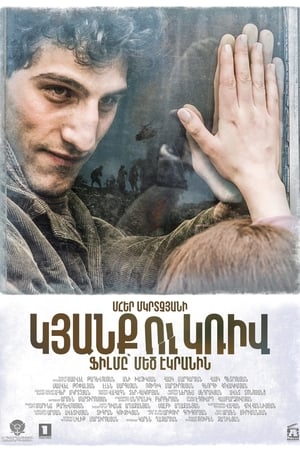
Taking place in 1991, Tigran, who teaches math at a village school to avoid the army, loses the girl he loves. Consumed by abject wretchedness, he decides to enlist as a volunteer in the Nagorno‑Karabakh war to give meaning to his hollow life.
In October, during the tense days of the Nagorno-Karabakh war, the director takes his camera to the village of Ashagi Nuvedi in Lankaran. The film follows the daily lives of fishermen — Sakhavat, Ramesh, Rza and Tehran — living in the shadow of the war. They go out to sea every morning amid news from the front, fearing empty nets, and hoping for a miracle — a goldfish in difficult days.
The film is dedicated to the ethnogenesis of a small people, preserving their traditions and language, the Udi people
The film is dedicated to the last wedding ceremony, which was interrupted by the Armenian shelling of Khojaly in 1992. The main plot of the screenplay is based on the fact that the family and the guests at that wedding, who returned to Khojaly years later, continue the unfinished ceremony.
As a result of the second Karabakh war, a village should be ceded to Azerbaijan since a new highway is built through the Lachin corridor. The family of Narine, like many other Armenian families, needs to find a new place.
A feature documentary presented and directed by former Royal Marines Commando Emile Ghessen. The documentary tells the story of the 2020 war between Armenia and Azerbaijan over the disputed region of Nagorno Karabakh. In the fall of 2020, Armenia and Azerbaijan fought a brutal bloody war. Azerbaijan won, decisively. The feature documentary 45 Days: The Fight for a Nation tells the story of this conflict, from the Armenian perspective, focusing on the human cost of war and its impact on the large Armenian diaspora.
The film is about Azerbaijan.
An intimate documentary about a trans woman's isolation and decision to leave her home country of Azerbaijan in pursuit of a safer life. Using the metaphor of a rabbit, that comes from her nickname "bunny," she presents her relationship with her family, country, music, and protest, intercut with home videos.
The recent democratic revolutions throughout Eastern Europe—Serbia in 2000, Georgia in 2003, and the Ukraine in 2004—all seemed to follow a quick and easy pattern: the exposure of rigged elections, followed by massive street protests, and a regime that collapsed without a fight. But THE DEMOCRATIC REVOLUTIONARY HANDBOOK reveals the lengthy and meticulous preparations behind these seemingly spontaneous demonstrations, showing how modern marketing techniques have combined with revolutionary politics to transform the region's governments.