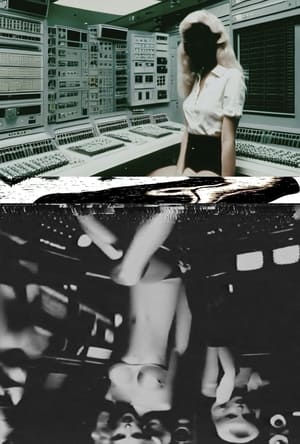
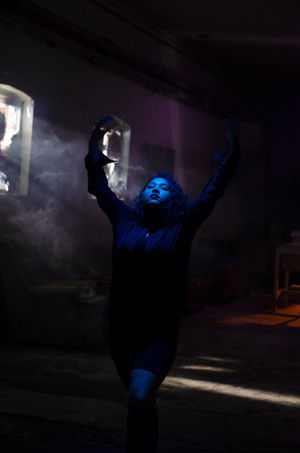
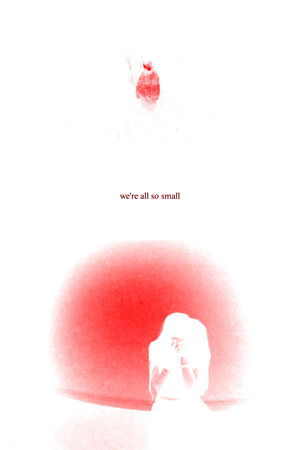
A lone woman is forced to confront her body whilst those around her voice their experiences living in their own skin. Experimental short film where sound and music is placed on equal footing with the visuals.
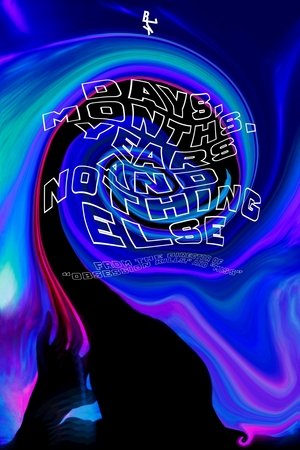
Composed entirely of AI-generated visuals and providing an abstract representation of the evolution of AI video, processed entirely through a VCR.
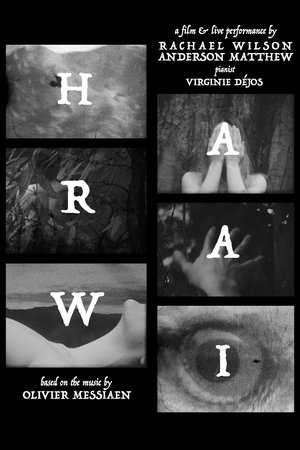
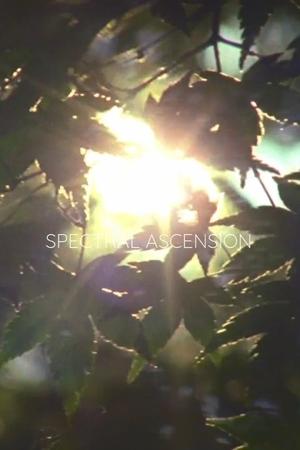
A poetic Super 8mm film created by Rachael Wilson and Anderson Matthew set to accompany the live recital performance of Olivier Messiaen’s Harawi – Chant d’amour et de mort (1945).
A cinematic experiment inspired by Wolfgang Amadeus Mozart’s music.
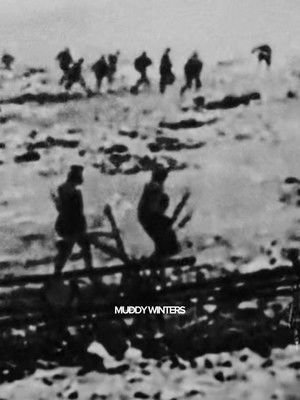
Cold pearly winters and the brutality of war running simultaneously.
In a live performance of international standards, musicians, voices, dancers, hot choreographies, impressive visuals, live cinematography and masterful video-statements, worked down to the last detail, compose a multi-layered setting of unique aesthetics. With impressive scenography and absolute stage energy, the Water Square caught fire in front of 16,168 spectators of all ages, in an absolute POP experience. Explosive and lyrical, with a clear identity and point of view, the multi-platinum hitmaker and performer Marina Satti, will rock with her sweeping hits such as LALALALA, MANTISSA, BLOUZAKI, SPIRTO KAI VENZINI, LOLA, TUCUTUM, AUTOKINHTO, AH THALASSA and of course ZARI.
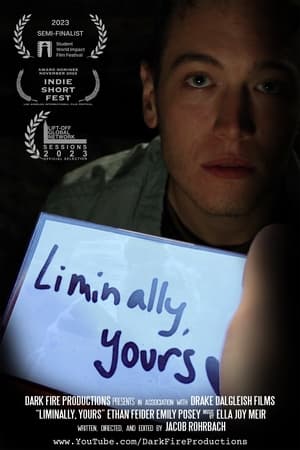
This short film, built around a randomly chosen name and composed of scenes shot within a single room over the course of three hours, features an introspective monologue that was shaped and adapted during the editing process. The narrative aligns closely with the emotional tone and visual rhythm of the piece, particularly in harmony with the non-original music selection, Maggot Brain by Funkadelic.
10/26
Music by Byron Westbrook, 16mm film by Paul Clipson.
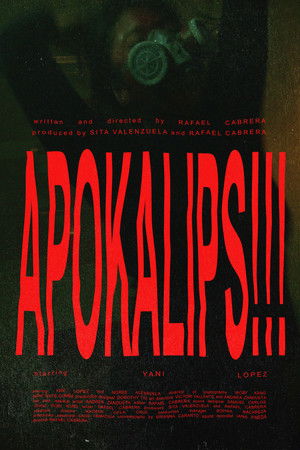
Amidst a world in flames, a disillusioned workaholic returns to their childhood home in an attempt to escape from their apocalyptic day job.
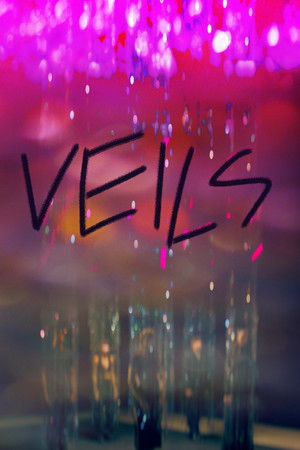
Veils is a short experimental film about humans finding themselves outside of the technological advancements of the world today. It is inspired by the fogginess and blurriness humans can go through when they use different technologies like smartphones, artificial intelligence, and much more. What happens when humans break outside of the bubble that they created?
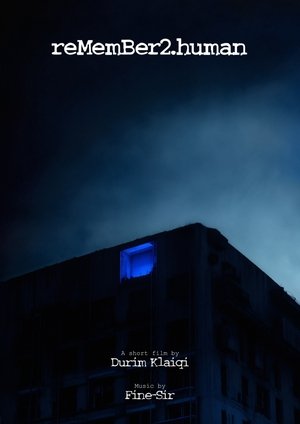
In an indeterminate future, forbidden memories challenge a database containing all human memories. An experimental cinematic search between past and future, fiction and fact, Prishtina and Tirana. The future, a glitch.
An experimental dance film that explores how we change ourselves, altering our appearance and behaviour in order to please other people and the emotional and mental impact that has on us.
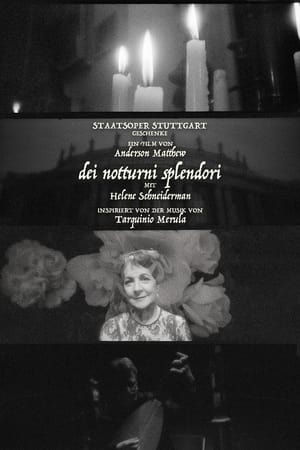
“And, 'twixt the shadows and frights of nocturnal splendors, My beloved will secretly be hiding. Say what you will, say what you may.” The sound of a distant whistle and theorbo calls a sleeping singer through the empty streets of Stuttgart in a midnight journey to the opera house. ‘dei notturni splendori’ is an experimental opera film made for the Staatsoper Stuttgart in the early months of the Coronavirus pandemic lockdown. Anderson Matthew captures the singer Helene Schneiderman through a midnight dream with a hand-cranked kino camera in an ecstatic 35mm photo roman, in search for her own performance of the Tarquinio Merula madrigal Folle é ben chi se crede from 1638.
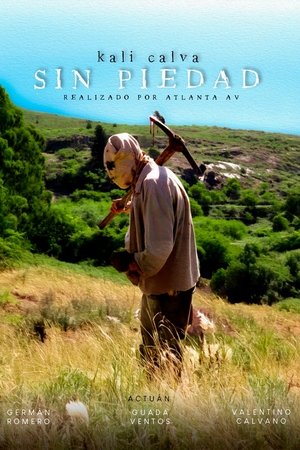
Under the relentless sun, a killer stalks through the mountains, where the innocence of a young couple becomes prey. With no shadows to hide their fate, the hunt is a macabre game in broad daylight, where fear is not hidden in the darkness, but burns with the rawness of the unperturbed noon.
The last person on Earth revisits their memories as they wander a lonely world
experimental piece exploring existentialism, time, age and space
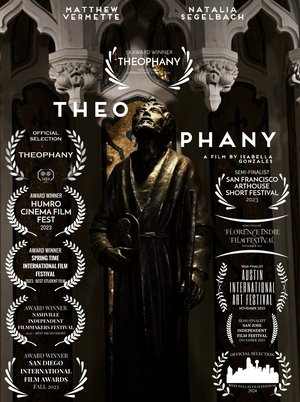
a young timid boy who is doubtful about faith and religion is beaten by curiosity and ends up wandering into a peculiar church and encountering a celestial yet godlike girl.
After concluding the now-legendary public access TV series, The Pain Factory, Michael Nine embarked on a new and more subversive public access endeavor: a collaboration with Scott Arford called Fuck TV. Whereas The Pain Factory predominantly revolved around experimental music performances, Fuck TV was a comprehensive and experiential audio-visual presentation. Aired to a passive and unsuspecting audience on San Francisco’s public access channel from 1997 to 1998, each episode of Fuck TV was dedicated to a specific topic, combining video collage and cut-up techniques set to a harsh electronic soundtrack. The resultant overload of processed imagery and visceral sound was unlike anything presented on television before or since. EPISODES: Yule Bible, Cults, Riots, Animals, Executions, Static, Media, Haterella (edited version), Self Annihilation Live, Electricity.
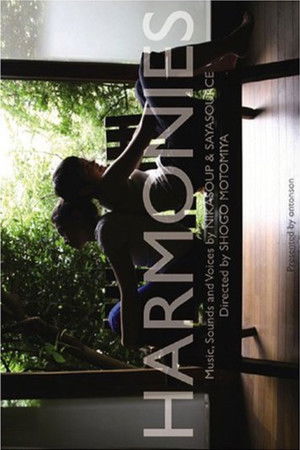
Japanese two female singer-songwriters, Kazumi Nikaido (also known as Nika Soup) and Saya Source (of Tenniscoats, Maher Shalal Hash Baz). Nika is known for her chameleon-like ability to transform her voice, while Saya has a melancholic and straightforward singing style. Both have distinct voices that can be identified immediately, but when they sing in unison, they create melodies that are truly sublime. They have released charming album IPIYA (2005) features playful pop songs reminiscent of nursery rhymes, repetitive mantra-like tracks. The two went back and forth from their homes in Hiroshima and Tokyo to create beautifully diverse songs for this record. This is the documentary of "how" and "why" and also "where" they had made the very original music. Many interviews, rehearsals, free sessions, live performances are included. There is a childlike innocence to this documentary, and offers a peak into the unique world of how they make music.