French documentary about genocide in Rwanda
Documentary on Mozambican music, and the role it played in the country's rediscovering its national identity after centuries of colonial rule.
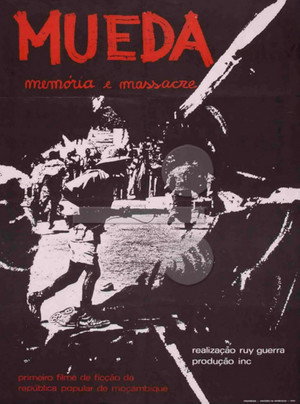
Mueda was a massacre. The name is that of the village in Northern Mozambique where in 1960 it took place. The Portuguese colonial regime did the killing. In independent Mozambique, those inhabitants of Mueda who survived regularly re-enact the massacre in situ. They themselves play the roles of victims, assassins, and spectators. Ruy Guerra, now a Brazilian but born in Lourenço Marques (now Maputo, the capital of Mozambique), filmed this extraordinary creation of liberated popular culture, intercutting it with first-hand interviews on the massacre. The mix is compelling, and the grave yet joyous spectacle unique.
Shout Gladi Gladi is a documentary about hope. It tells the story of one woman's quest to cure fistula and save mother's lives in Africa. Shot in Malawi and Sierra Leone (just prior to the Ebola crisis) this is an intense portrait of the people suffering from fistula and the struggle of those who are not only trying to fix this condition but curtail it through better maternal health care. In addition, it is about women's empowerment, specifically through a radical device from BBOXX, a solar powered generator that provides the women not only with electricity in a region where there is none but also as a means to make money by charging cell phones.
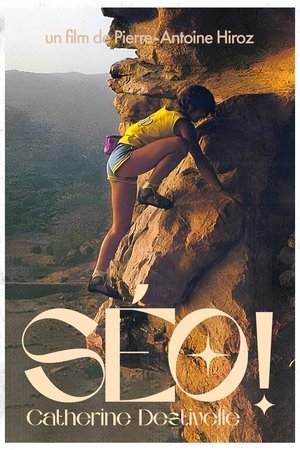
The film shows Catherine Destivelle's trip to Dogon Country, in Mali, where she will make spectacular free solo rock climbing ascents in the sun-warmed cliffs of Bandiagara. Destivelle is accompanied on this trip by a friend climber, Lucien Abbet. A film by Pierre-Antoine Hiroz produced in 1987 by Paradoxe and also featuring Tidjani Koné, Ibrahim Dolo, and the Dogon inhabitants of the Bandiagara Escarpment. The film won the Genziana D'argento for best free climbing film at the Trento Film Festival in 1987.
This video research is based on a trip to Morocco in July 2005, during which the director documented irregular migration transiting through Morocco, as well as their control. This geographical project focuses on the main migratory axes: Oujda, entry point for migrants in Morocco; Tangier, from where migrants can try to cross the strait or the fences of Ceuta; Rabat, organization space; and Laayoune, the closest point to the Canaries. The video questions the nature and meaning of these extraterritorial enclaves that structure the Moroccan territory.
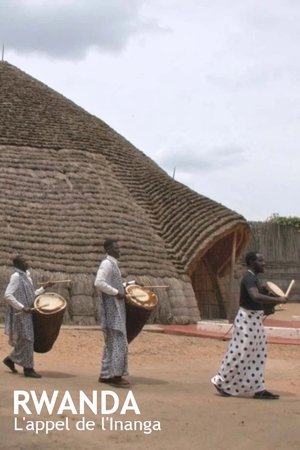
Living in France, a Rwandan psychotherapist committed to rebuilding her country returns this time to learn to play the inanga, the traditional zither. A moving journey through a festive Rwanda, in search of her cultural identity.
A film about Mali's ancient culture, and this culture's position in the country today. Filmed with a Malian crew, cut to the beat of Malian music, the film offers an alluring mosaic of perspectives.
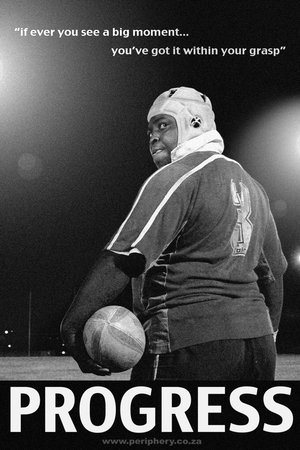
The film follows the rugby season of Uitenhage prop forward Zama Takayi - who plays for Progress Rugby club, the club that amalgamated the black clubs of the Uitenhage area in the early 90’s.
Great Rift - Der große Graben
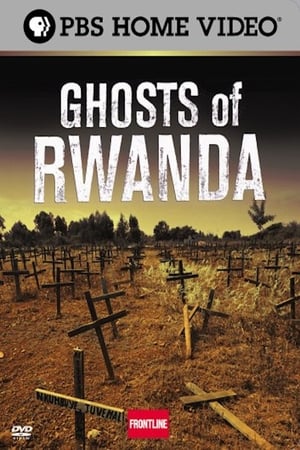
Ghosts of Rwanda marks the 10th anniversary of the Rwandan genocide with a documentary chronicling one of the worst atrocities of the 20th century. In addition to interviews with key government officials and diplomats, this documentary offers eyewitness accounts of the genocide from those who experienced it firsthand. FRONTLINE illustrates the failures that enabled the slaughter of 800,000 people to occur unchallenged by the global community.
One remembers the snow flurry through which the drivers tried to make their way to the Italian Riviera. The white streets in front of the Turchino Pass and the pictures of half-frozen drivers who got off their bikes into the team buses. The journey into spring was stopped by winter. The race finally continued on the other side of the mountain. It was warmer on the coast, but it was raining heavily. The scenario was an illusion when a driver appeared in the turbulent finale of the race to finally live up to expectations. BESENWAGEN presents the first film with Riviera Phantom. Filmed at the locations of the race and underlaid with original recordings of the TV broadcast, you get an unprecedented insight into the action. From different angles, the film reveals a fantastic story about what happened on a monumental day.
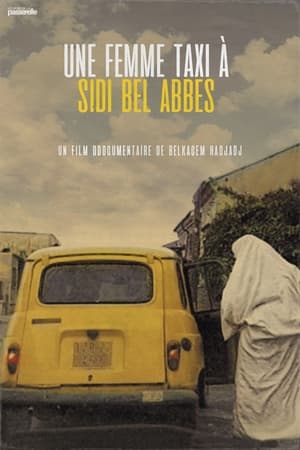
When her husband died Soumicha, mother of three, had to earn a living. She became the only woman taxi driver in Sidi Bel-Abbès, Algeria. This film accompanies Soumicha around a city where religious and political violence rages, and records her experiences in a job normally reserved for men.
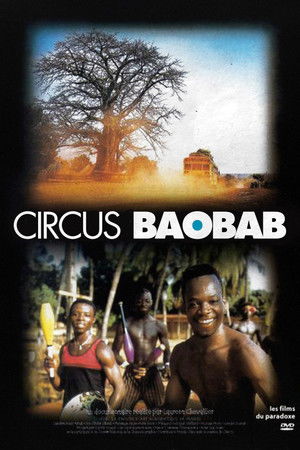
French filmmaker Laurent Chevallier always wanted to make a documentary on an African circus, but there were no native circuses on the continent. So Chevallier decided to help found a circus in Guinea. 36 young people were chosen from the city of Conakry to participate in what would become Circus Baobab. A group of French circus artists were imported to train the participants for 2 years in acrobatics and trapeze. Then the group took their show on the road. This film is Chevallier's account of the troupe's inaugural tour in Guinea, from March 1 - April 11, 2000.
Guerre aux images en Algérie
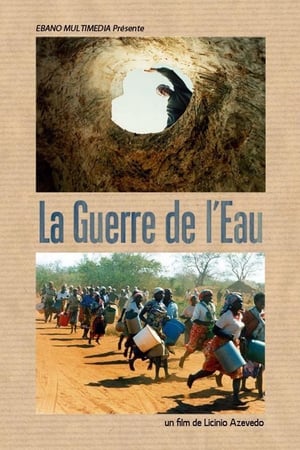
Four stories in a Mozambican village. Stories about a water can, a well that gets broken, a lonely hunter, and a bird that becomes a radio.
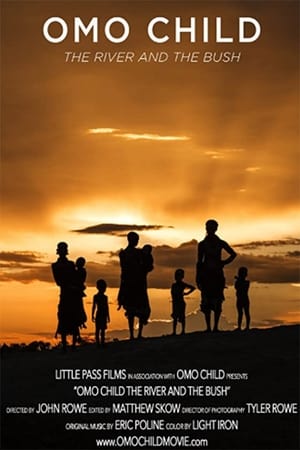
For many generations people in the Omo Valley (tribal southwest Ethiopia) believed some children are cursed and that these 'cursed' children bring disease, drought and death to the tribe. The curse is called 'mingi' and mingi children are killed. Lale Labuko, a young educated man from the Kara tribe was 15 years old when he saw a child in his village killed and also learned that he had 2 older sisters he never knew who had been killed. He decided one day he would stop this horrific practice. Filmed over a five year period we follow Lale's journey along with the people of his tribe as they attempt to change an ancient practice.
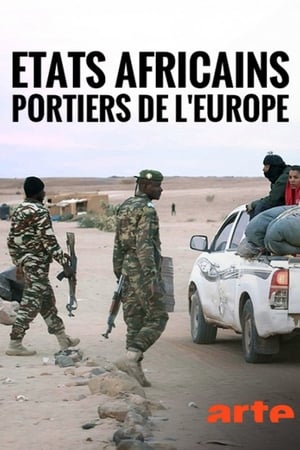
The EU is investing billions to establish African states as its new border guards. It also supports dictatorships that close their borders in return.
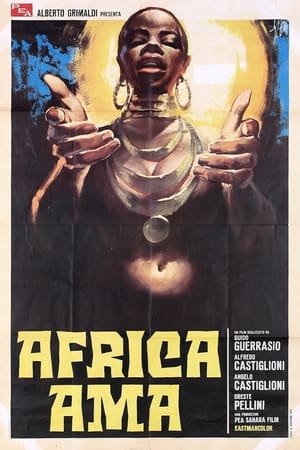
Documentary film making at its best as it narrates very exotic and esoteric rituals of the primitive peoples of Africa.
The North Shore mountain biking movement began early 1980 in Vancouver BC. Since then it's essential features of pushing limits in extreme conditions, philosophies, politics and extensive product developments have been adopted and become the main stream into every facet of professional and recreational mountain biking to date. A documentary not about entrepreneurs striving to make a buck. The true essence of creative freedom and what can happen when you put your hands and skills to it. This is the history of the North Shore.