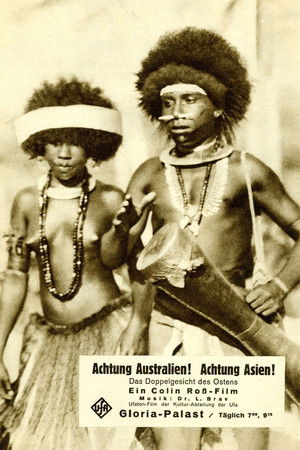
13 August 1961: the GDR closes the sector borders in Berlin. The city is divided overnight. Escape to the West becomes more dangerous every day. But on September 14, 1962, exactly one year, one month and one day after the Wall was built, a group of 29 people from the GDR managed to escape spectacularly through a 135-meter tunnel to the West. For more than 4 months, students from West Berlin, including 2 Italians, dug this tunnel. When the tunnel builders ran out of money after only a few meters of digging, they came up with the idea of marketing the escape tunnel. They sell the film rights to the story exclusively to NBC, an American television station.
The film offers three excerpts from the life of a working blind person. It shows in particular the extent to which the guide dog can replace the blind person's lack of sight and how this results in a relationship of loyalty between man and animal of rare intimacy.
After the publication of a CD book with the poems of Leopoldo María Panero, musicians Carlos Ann and Enrique Bunbury travel to the Canary Islands to meet the "cursed poet", who is hospitalized in the psychiatric hospital of Las Palmas.
Nominated for an Emmy® Award in 2021 for best non fiction special. Winner of 35 grand jury awards. Filmed in 2016 at Standing Rock, North Dakota, this powerful documentary follows the Indigenous leaders as they unite the Native Nations for the first time in 150 years in order to rise up in spiritual solidarity against the unlawful Dakota Access Pipeline which threatens their treaty lands, sacred burial sights and clean water. These young Native Leaders honor their destiny by implementing a peaceful movement of resistance which awakens the world.
A retrospective documentary about the groundbreaking horror series, Friday the 13th, featuring interviews with cast and crew from the twelve films spanning 3 decades.
A documentary that follows the recording process over three days and nights of "(I'll Love You) Till the End of the World" by Nick Cave and the Bad Seeds. A new version of the documentary appeared in 2005, and on the 2019 Criterion release of Wim Wenders' film UNTIL THE END OF THE WORLD.
A walk through the incredible personal and artistic history of legendary actor, race car driver and cultural icon Steve McQueen (1930-80).
Marijuana is the most controversial drug of the 20th Century. Smoked by generations to little discernible ill effect, it continues to be reviled by many governments on Earth. In this Genie Award-winning documentary veteran Canadian director Ron Mann and narrator Woody Harrelson mix humour and historical footage together to recount how the United States has demonized a relatively harmless drug.
A documentary about the actress who played Miss Torso, the dancer that caught James Stewart's eye in Alfred Hitchcock's classic film Rear Window.
Lori relates her experiences before during and after the making of 'Caligula'
It is an investigation into the loaded, transforming topography that is already palpable in the landscape, before we actually understand what language it creates for our society.
In 150 years, twice marked by total destruction —a terrible earthquake in 1923 and incendiary bombings in 1945— followed by a spectacular rebirth, Tokyo, the old city of Edo, has become the largest and most futuristic capital in the world in a transformation process fueled by the exceptional resilience of its inhabitants, and nourished by a unique phenomenon of cultural hybridization.
Nos restaurants : Une grande histoire française
With no choice, César faced leaving his family behind, quitting his job and joining the Army. In an unprecedented chain of events he became the first conscientious objector in Galicia (Spain) to be put in prison. Now, nearly thirty years later, Two Years, Four Months, A Day takes a look at what made him do it.
A documentary film about trading security and stability for passion. A surprising number of small businesses and niche restaurants originate and thrive in the small college town of Provo, Utah. A senior capstone project at Brigham Young University.
An intimate look at the Woodstock Music & Art Festival held in Bethel, NY in 1969, from preparation through cleanup, with historic access to insiders, blistering concert footage, and portraits of the concertgoers; negative and positive aspects are shown, from drug use by performers to naked fans sliding in the mud, from the collapse of the fences by the unexpected hordes to the surreal arrival of National Guard helicopters with food and medical assistance for the impromptu city of 500,000.
Indifferent landscapes, refracting light, some lonely bird and the window to the sebum-laden living room made of patterned wallpaper and trivialities. Cut. Tenacious sequences inflate moments to cliff-hangers and shatter their tremulous spectatorship. Thundering leitmotifs – in constant intoxication by German disinterest – with no backrest or lederhosen. Black-red-gold at full mast, the cinema is dead.
By combining actual footage with reenactments, this film offers both a documentary and fictional account of the life of Adolf Hitler, from his childhood in Vienna, through the rise of the Third Reich, to his final act of suicide in the waning days of WWII. The film also provides considerable, and often shocking, detail of the atrocities enacted by the Nazi regime under Hitler's command.
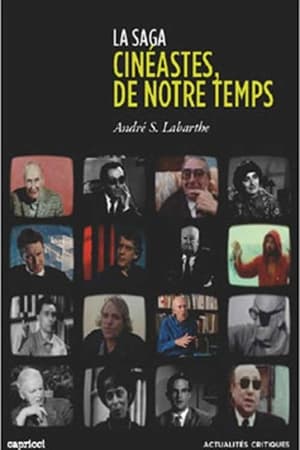
Cinéastes de notre temps : Erich von Stroheim
Cinéastes de notre temps : Jean Vigo