Drama in the Futurists' Cabaret No. 13
An anthology of one-minute films created by 51 international filmmakers on the theme of the death of cinema. Intended as an ode to 35mm, the film was screened one time only on a purpose-built 20x12 meter public cinema screen in the Port of Tallinn, Estonia, on 22 December 2011. A special projector was constructed for the event which allowed the actual filmstrip to be burnt at the same time as the film was shown.
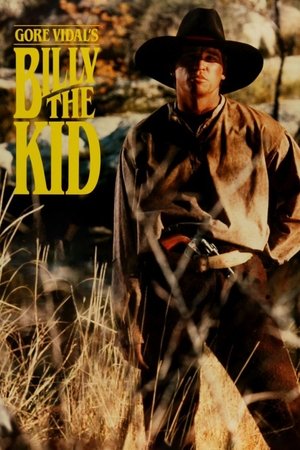
Gore Vidal's historical novel is brought to life in this television production of Turner Network Television's Billy the Kid.
Billy the Kid becomes embroiled in Lincoln County, NM, land wars. When rancher who gave him a break is killed by rival henchman, Billy vows revenge. New employer takes advantage of his naivety to kill rivals, lets the Kid take rap. Kid takes to the hills with friends until caught. Escapes hanging but remains in area to be near employer's young wife with whom he's infatuated
An anthology of surreal films by Patrick McGuinn featuring Vincent, a puppet who is obsessed with Twinkies and pasta.
A high school student tries to accustom himself to an unusual phobia, destroying everyone in his path. A nerd tries to eradicate the phobia entirely.
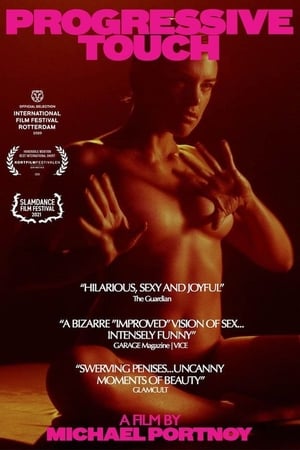
Sex as dance and comedy: in Progressive Touch Portnoy studies and expands the relationship between sex, choreography and composing music. He introduces complex compositions from progressive rock and math metal during sex, thereby combating the ostensible simplification of rhythm in human movements and gestures. A group of actors perform the new moves in three slapstick-like scenes. Worth trying at home.
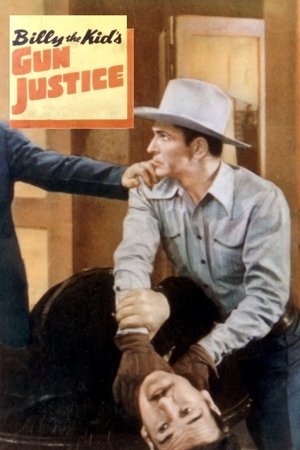
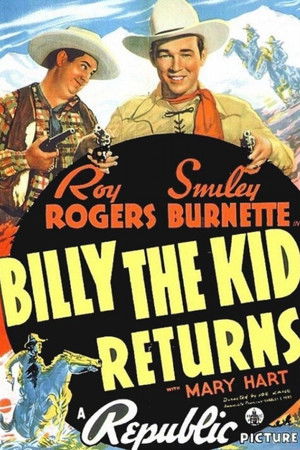
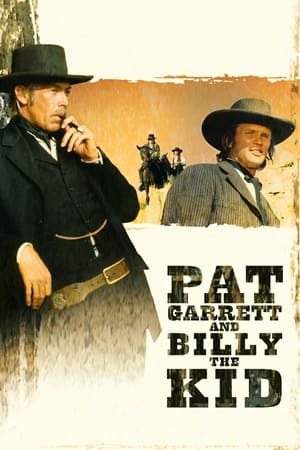
After Pat Garrett kills Billy the Kid, Billy's look-alike Roy Rogers arrives and is mistaken for him. Although a murderer, Billy was on the side of the homesteaders against the large ranchers. As Billy's death is unknown, Roy gets Garrett to let him pose as Billy to continue the fight, but without the killing.
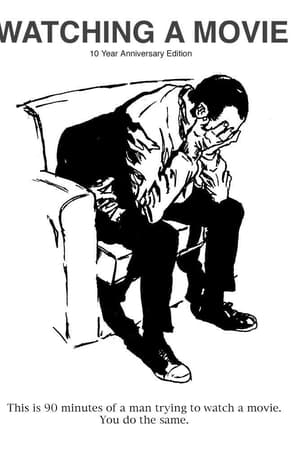
A young man, attempting to watch a VHS tape of "Love Streams" by John Cassavetes on his television, is constantly harassed and annoyed by outside forces.
A filmmaker gets lost in a world of his own creation, literally. He is plotted against by his outer demons, searches for his lost sex scene and contends with several other versions of himself. A joyful rule-breaking carnival ride through a filmmaker's dreamland.
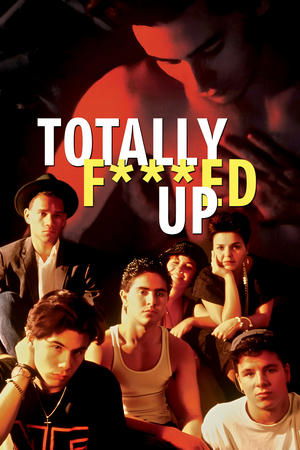
Gay, alienated Los Angeles teens have a hard time as their parents kick them out of their homes, they don’t have money, their lovers cheat, and they are harassed by gay-bashers.
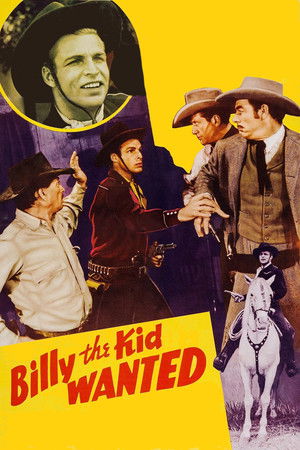
Falsely accused of murder, Billy is able to escape thanks to his pals. Once in Santa Fe, he meets once again the man who lied during the trial.
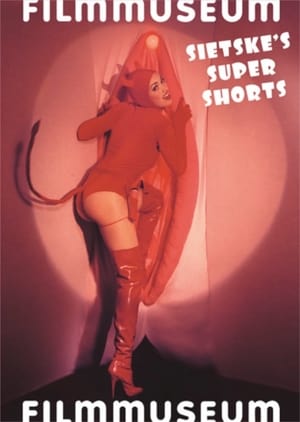
A side table and a chest of drawers (played by actors in ingenious soft-sculpture costumes) indulge in a bit of passive-aggressive furniture moving. Do you know what your household decor is up to when you’re not looking? Another characteristically eccentric bit of humor from Dutch filmmaker Sietske Tjallingii, aka "Miss T."
Dislocation in time, time signatures, time as a philosophical concept, and slavery to time are some of the themes touched upon in this 9-minute experimental film, which was written, directed, and produced by Jim Henson. Screened for the first time at the Museum of Modern Art in May of 1965, "Time Piece" enjoyed an eighteen-month run at one Manhattan movie theater and was nominated for an Academy Award for Outstanding Short Subject.
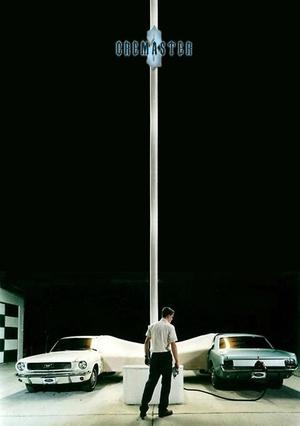
CREMASTER 2 is rendered as a gothic Western that introduces conflict into the system. On the biological level it corresponds to the phase of fetal development during which sexual division begins. In Matthew Barney's abstraction of this process, the system resists partition and tries to remain in the state of equilibrium imagined in Cremaster 1.
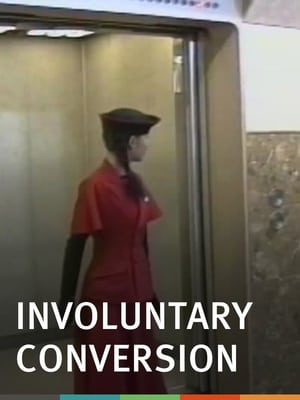
This apocalyptic linguistic comedy meditates on the relationship between language, meaning and social decay and is scripted from "double-speak" language found in a variety of media sources. Drawing its title from the Pentagon's term for crash, Involuntary Conversion evokes the hollowness and free-floating anxiety that characterizes late 20th century culture. In a voice that could belong to a hypnotist or a government spokesman, a disembodied speaker recounts a string of events whose common thread is a sense of impending disaster. The mood is suspended somewhere between nightmare and deadpan and is propelled by a narrative as enigmatic as the language it exposes. The iconic shape of a fighter jet floating in a perfect sky has the creepy feel of a video game and the texture of television is used to make the images feel domestically ingrained.
County Durham, England, 1984. The miners' strike has started and the police have started coming up from Bethnal Green, starting a class war with the lower classes suffering. Caught in the middle of the conflict is 11-year old Billy Elliot, who, after leaving his boxing club for the day, stumbles upon a ballet class and finds out that he's naturally talented. He practices with his teacher Mrs. Wilkinson for an upcoming audition in Newcastle-upon Tyne for the royal Ballet school in London.
Five lonesome cowboys get all hot and bothered at home on the range after confronting Ramona Alvarez and her nurse.
The film begins as a documentary about an author known for autofiction. By incorporating multiple making-of layers, it blends the process of making the documentary with the author’s narrative technique.
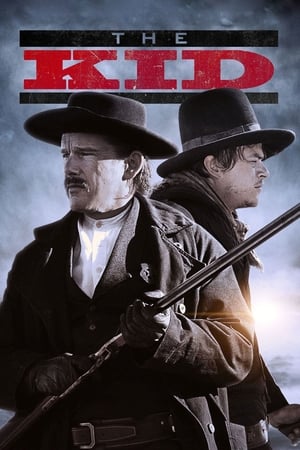
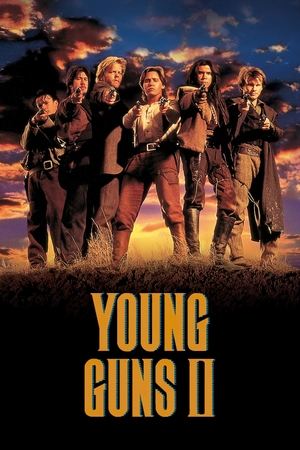
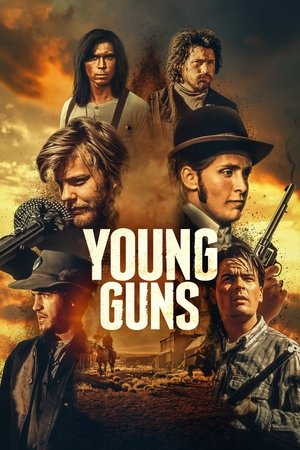
A group of young gunmen, led by Billy the Kid, become deputies to avenge the murder of the rancher who became their benefactor. But when Billy takes their authority too far, they become the hunted.