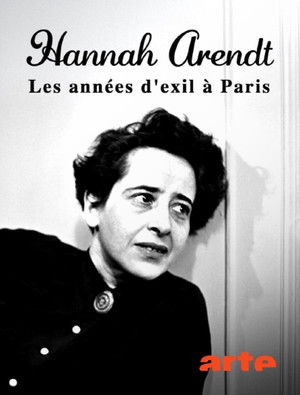
Hannah Arendt's views on Jewish identity, the Israel-Palestine conflict, and authoritarian-totalitarian systems seem more relevant than ever. Together with biographer Thomas Meyer, this documentary takes us back to the time of her exile in Paris. It was there, on the banks of the Seine, that she laid the foundations for her later works, which would bring her international renown.
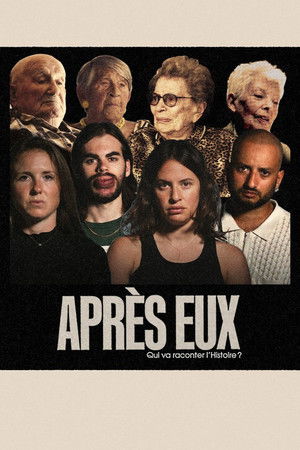
French documentary that explores how the third generation deals with the memory of the Holocaust. It follows grandchildren of survivors—Camille, Frankie, Théo, and Mathis—as they inherit family secrets and the responsibility of bearing witness to this trauma
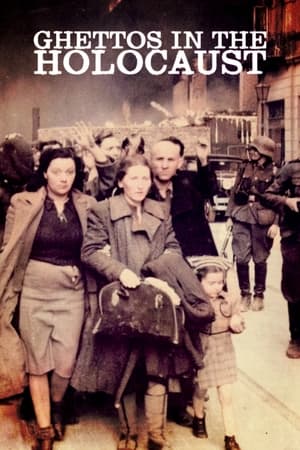
The gruesome story of the Jewish ghettos during the Nazi occupation of Eastern Europe in the dark days of World War II, based on the records written by their inhabitants, who bear witness to the human tragedy of the Shoah; but also to an indomitable will to live.
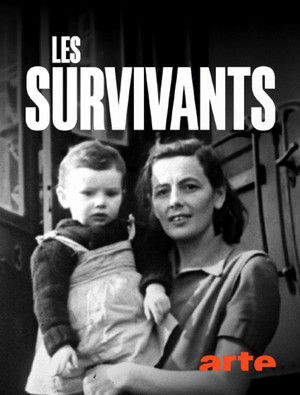
Les survivants, l'impossible départ après la Shoah
This film, produced by the Museum’s Spielberg Film Archive staff, features 55 minutes of previously unseen interviews from the Claude Lanzmann Shoah Collection. SHOAH: The Unseen Interviews includes the testimony of Abraham Bomba, a barber in the Treblinka killing center, who escaped, was smuggled back into the ghetto, and tried to warn friends, who refused to believe what was happening; details of American responses to the Holocaust from Peter Bergson, who tried to rally American Jews and the US government to act sooner to save the Jews in Europe; and Ruth Elias’s harrowing tale of survival in Theresienstadt and Auschwitz-Birkenau.
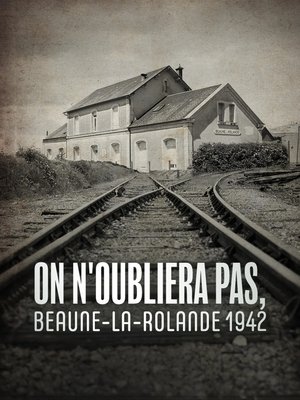
Nothing predisposed a rural commune in the Loiret region such as Beaune-la-Rolande to embody the height of the Holocaust in France. Yet it was there that a camp was set up where Jewish families were interned, separated, their children abandoned to their fate before being deported alone to their deaths. Long hidden from view, more than eighty years after the events, this tragedy remains a sensitive subject that can still divide opinion on what should or should not be done to ensure it is not forgotten. Following personal journeys and collective commitments, this film meets activists, elected officials, and teachers who are committed to helping a region recover its memory and reconnect with its history, however painful it may be.
Surviving against all odds. In 1940, Benjamin Orenstein, just a teenager, was sent to his first concentration camp in Poland. It was the beginning of a journey that would mark him for life. After years of silence, he now bears witness to one of the darkest chapters in history.
The Holocaust began with the indiscriminate mass shootings by the Einsatzgruppen in the bloodlands of Eastern Europe and was perfected in the gas chambers at Auschwitz. “Bullets And Blueberries” explores the motives, methods and madness of the perpetrators, using never-before-seen images captured by the killers themselves — images that fully capture the banality of evil.
Reinscribing the Dondorf explores the former Dondorf Printing Works in Frankfurt through the history of the German-Jewish family who founded it. Following the traces of Clara, a Holocaust survivor, and Helene, deported to the Łódź ghetto in 1941, the film examines the potential and limitations of AI as a tool for archival research and memory. Working with both analytic and generative AI models, it explores how these new visual and sound regimes shape our relationship with history and with the archive.
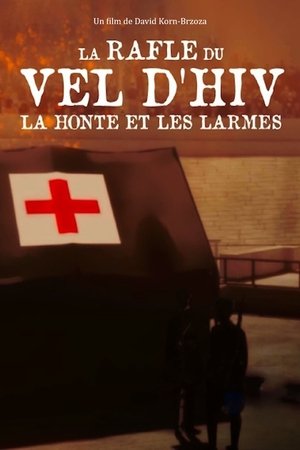
In 1942, more than 8,000 Jews were arrested on 16 and 17 July and sent to the Vélodrome d'Hiver sports center in the 15th district, a stone's throw from the Eiffel Tower, before being deported. The expression "Vel d'Hiv round-up" has become part of our collective memory, to the point of becoming the main memorial reference point for France during the dark years. Based on research carried out in unpublished or rarely explored archives, this film retraces the history of this roundup as experienced by hunted Jews and police trackers, from its planning in the Vichy offices to its hour-by-hour unfolding in the streets of Paris.
Records the highs and lows of a season that came close to winning the championship. Chronicles the 40-year love affair between a struggling blue-collar city and a perfectly matched blue-collar team.
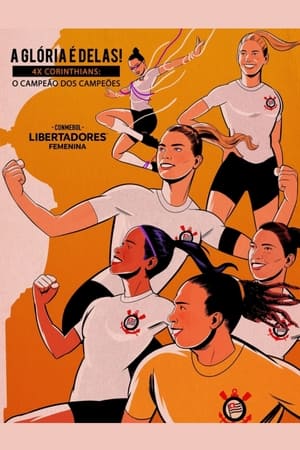
The official documentary of the Copa Libertadores Feminina 2023
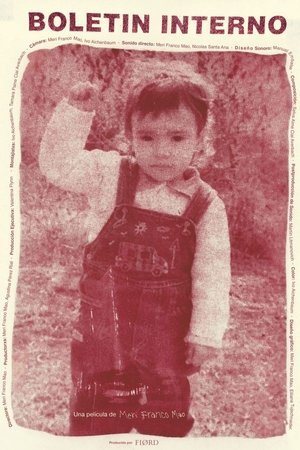
Meri unearths memories about Osvaldo, her father, a militant and leader of the Workers’ Party in Argentina. Much like piecing together a shattered vase, she delves into the chronicle of the first accusation of gender violence within that organization. The story winds through both party and family archives, intertwining with the portrait of her mother, Flavia. The director reconstructs her family history, which is, in turn, the history of the party and the political history of the country. An unsettling journey of discovering and yet still loving a father who unveils his monstrous side, “Internal Newsletter” stands as a testament, reflecting on the personal and political upheavals that bind three generations of revolutionary activists.
Blanca and Patzi migrated from Bolivia to Argentina. They carry the lore of ancient history, the memory of a dream in Aymara, a mud brick house, the moon and the harvests. When they migrate, things change their name, their time, their place. The roots unfold in the dark tracing paths through the Earth. The community emerges in the city as a way to construct a possible present. Within the collective they weave their stories together with those of other women where they see themselves reflected and empowered. Two women, a shared journey that crosses more borders than the territorial.
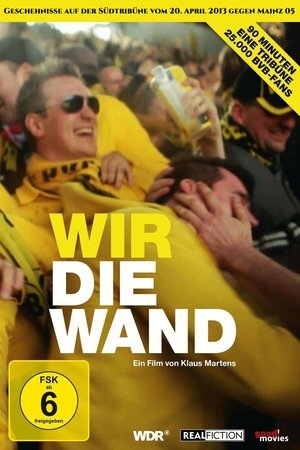
Wir die Wand
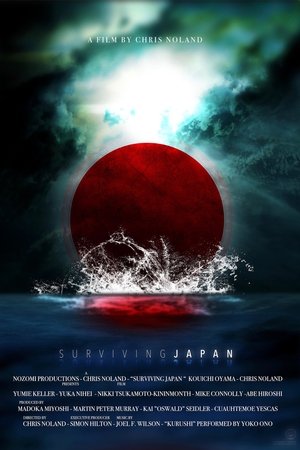
True story of an American volunteer who discovered the unvarnished truth about the Fukushima nuclear disaster cover-up while living in Japan. A critical look at how the authorities handled the nuclear crisis and Tsunami relief by an American who volunteered in the clean-up.
Algérie, la vie toujours
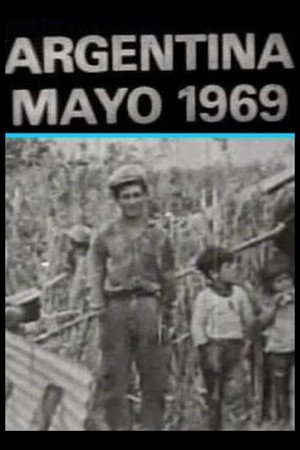
A collection of shorts, some documentary and some fictional, showing the political climate in Argentina during the military regime of the late 1960s.
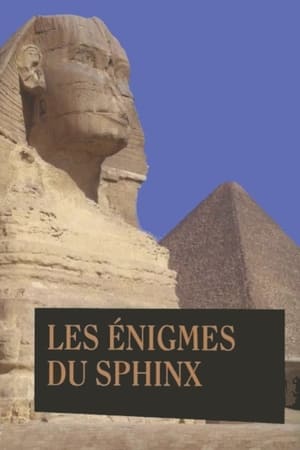
For over 4000 years, the Sphinx has puzzled all who have laid eyes on it. What is this crouching lion, human-headed creature? Who built it and why? To unlock its secrets, two teams of scientists and sculptors immerse themselves in the world of ancient Egypt — a land of pharaohs and pyramids, animal gods and mummies, sun worship and human sacrifice.
This short WWII propaganda documentary drives home the point that steel and committed steel workers can make the difference between winning and losing in modern warfare. A short sequence demonstrating the depravity of the Nazis is followed by a detailed explanation of the manufacture of Bren guns, ambulances, transport trucks and submarine chasers in Canada during World War II.