An investigation in the city prompted by the assault of a young person by a bus driver. All over the street, the collective goes out to meet people and question the processes of violence in their neighborhood.
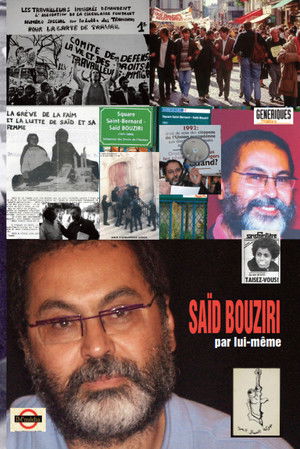
Saïd Bouziri par lui-même
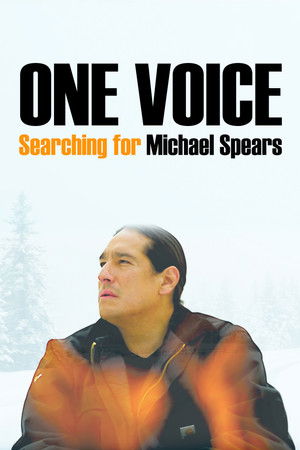
One Voice: Searching for Michael Spears
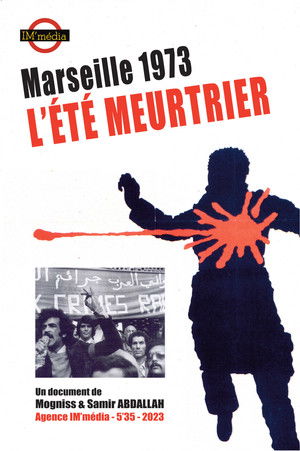
Marseille 1973, l'été meurtrier
Émeutes et rap : le grand clash
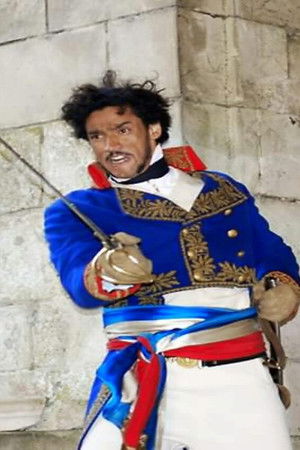
Le Diable noir
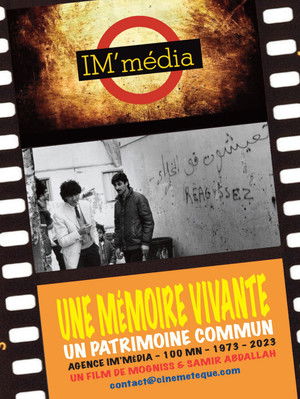
Une mémoire vivante : Un patrimoine commun 1973-2023
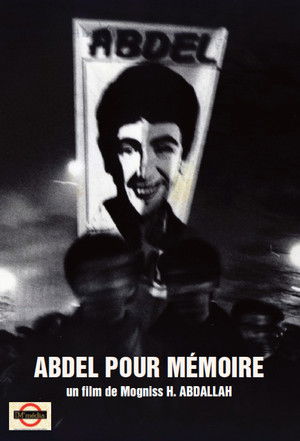
ABDEL POUR MÉMOIRE
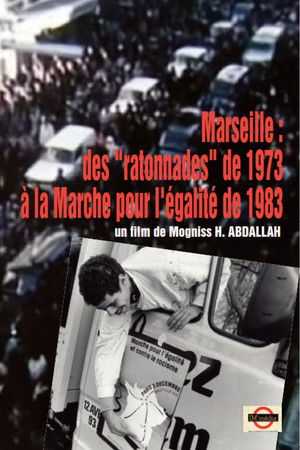
MARSEILLE - DES "RATONNADES" DE 1973 À LA MARCHE POUR L'ÉGALITÉ ET CONTRE LE RACISME
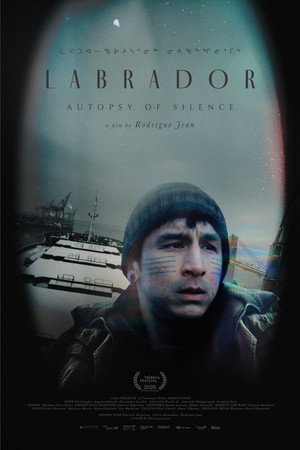
A cargo ship embarks on its final voyage of the year to resupply Inuit communities in the far north of Canada. During a storm off the coast of Labrador, the ship’s cook is found murdered in his cabin. With no way to identify the culprit among the twenty crew members, suspicion falls on Alupa, an Inuit mechanic and close friend of the victim. Unfolding in reverse, from the investigation back to the night of the storm and the murder, the film transcends the boundaries of a traditional whodunit to probe deeper questions of race, class, and sexual desire.
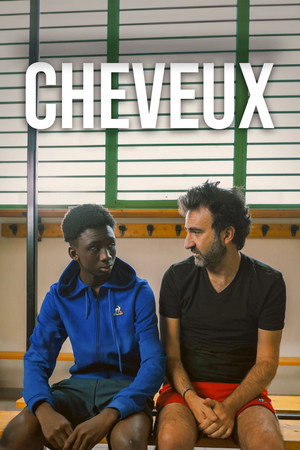
Cheveux
Week-end à Nanterre
M2M's first original long-form documentary, Battle at Versailles, follows an event in 1973 at Palace of Versailles where top French designers such as Yves Saint Laurent and Pierre Cardin faced of against American newcomers Oscar de la Renta, Bill Blass, Anne Klein and Halston. That pitted France’s best designers against the best America had to offer. It was the first time the fashion world's gaze was fixated on American design.
How can structures, which take up defined, rigid portions of space, make us feel transcendence? How can chapels turn into places of introspection? How can walls grant boundless freedom? Driven by intense childhood impressions, director Christoph Schaub visits extraordinary churches, both ancient and futuristic, and discovers works of art that take him up to the skies and all the way down to the bottom of the ocean. With the help of architects Peter Zumthor, Peter Märkli, and Álvaro Siza Vieira, artists James Turrell and Cristina Iglesias, and drummer Sergé “Jojo” Mayer, he tries to make sense of the world and decipher our spiritual experiences using the seemingly abstract concepts of light, time, rhythm, sound, and shape. The superb cinematography turns this contemplative search into a multi-sensory experience.
Hasse and Tage were best friends for over 30 years. Their films, shows, songs and books influenced an entire nation and were the glue that held people's home together. As a comedic duo, they united right-wing ghosts and anarchists in laughter. When Tage dies prematurely, his children lose a father, Hasse a father figure and all of Sweden a country father. And when Palme dies just months after Tage, the Swedish stable society begins to crumble. For the first time, the Alfredson and Danielsson families open up the archives and give us exclusive access to their stories, photographs and recordings.
In this documentary, Joachim Hellwig uses partly unpublished footage to shed light on a dark chapter of German history and shows the entanglements between the politicians' claims to power and the interests of industry and business in Germany from the beginning of the First World War to the end of the Second World War (1914 to 1945). The Nuremberg War Crimes and Industrial Trials served as the basis for this documentary.
An inspirational story about the power of hope in the face of seemingly insurmountable odds, and an object lesson in what it really means to be a winner in life.
1961 documentary about the history and seedy reality of the sex industry in London's Soho.
In Bettina Büttner’s exquisitely lucid documentary Kinder (Kids), childhood dysfunction, loneliness, and pent-up emotion run wild at an all-boys group home in southern Germany. The children interned here include ten-year-olds Marvin and Tommy. Marvin, fiddling with a mini plastic Lego sword, explains matter-of-factly to the camera, “This is a knife. You use it to cut stomachs open.” Dennis, who is even younger, is seen in a hysteric fit, mimicking some pornographic scene. Boys will be boys, but innocence is disproportionately spare here. Choosing not to dwell on the harsh specifics, Büttner reveals the disconcerting manner in which traumatic episodes can manifest themselves in the mundane — a game of Lego, Hide and Seek, or Truth or Dare. Filmed in lapidary black-and-white, Büttner’s fascinating film sheds light on childhood from the boys’ characteristically disadvantaged perspective — one not yet fully cognizant — leaving much ethically to ponder over.
Appalachian Journey is one of five films made from footage that Alan Lomax shot between 1978 and 1985 for the PBS American Patchwork series (1991). It offers songs, dances, stories, and religious rituals of the Southern Appalachians. Preachers, singers, fiddlers, banjo pickers, moonshiners, cloggers, and square dancers recount the good times and the hard times of rural life there. Performers include Tommy Jarrell, Janette Carter, Ray and Stanley Hicks, Frank Proffitt Jr., Sheila Kay Adams, Nimrod Workman and Phyllis Boyens, Raymond Fairchild, and others, with a bonus of a few African-Americans from the North Carolina Piedmont.