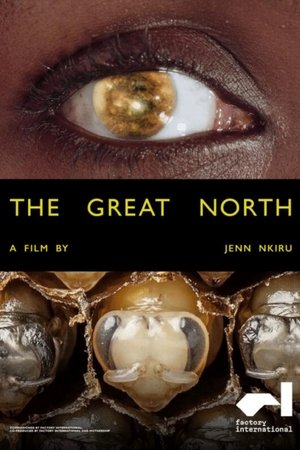
Beginning at the industrial revolution of the ‘great north’, Jenn Nkiru draws lines between peoples, cities, countries, buildings, movements, bodies and spaces(s) using a mixture of archive materials and new footage. There is little stillness as we are pushed and pulled through Black histories and communities across the city of Manchester and beyond. Nkiru has termed this filmmaking process “cosmic archeology”, and it is grounded in Afro-surrealism, experimental film and the Black arts movement.
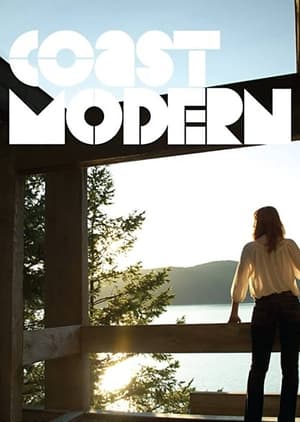
A core group of architects embraced the West Coast from Vancouver to LA with its particular geography and values and left behind a legacy of inspired dwellings. Today, architects celebrate the influence established by their predecessors.
Kroměříž
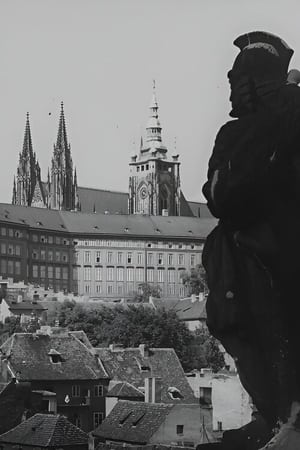
A documentary film comparing current / everyday and historical / noble aspects of Prague.
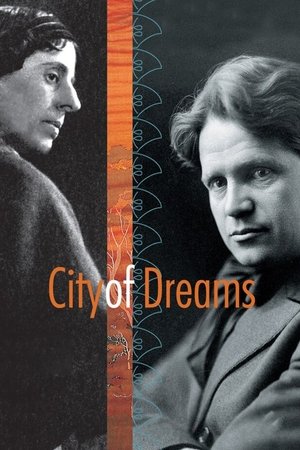
This fascinating documentary explores the collaboration between Marion Mahony, the first registered woman architect in the world and the longest serving designer in Frank Lloyd Wright’s practice, and husband Walter Burley Griffin. Their struggle with unyielding bureaucracy, the philosophies that underscored their life and work, and their passionate commitment to an architecture that expressed a balance between society and the environment and an affinity between the human spirit and the natural world. The film weaves together their personal and professional lives, drawing on archival and contemporary footage of their work, an extensive collection of photographs, the couple’s own correspondance and writing, and interviews with prominent architects, social historians and the people who knew them.
Kamenná sláva
Película de la Rambla Sur
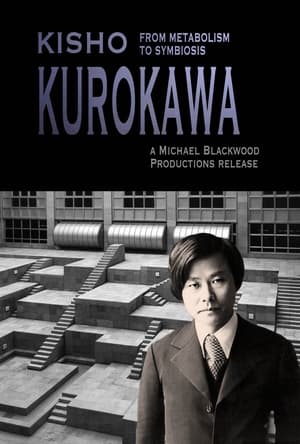
A portrait of the internationally acclaimed Japanese architect who employs Buddhist ideas and western modernism to achieve intercultural architecture.
Nel silenzio del parco
Berlin’s brutalist heritage is under fire. The city’s powerful Charité hospital wants to destroy a brutalist icon of the Cold War era: The infamous former animal research laboratory called the Mäusebunker. Meanwhile, a dedicated group of politicians, preservationists, architects, gallerists, and students fight for an adaptive reuse of these magnificent, uncompromisingly unique structures. Who will win? No matter the outcome, you’re left with the impression that preservation can be brutal.
Pessac, Quartiers Modernes Frugès: The camera goes from living room to living room, from yard to bath, kitchen to balcony, strolls through a typical day at the row houses built by Le Corbusier in the 20s. This film focuses on the question of how the residents have departed from Le Corbusier’s original concept in the intervening decades so that they feel at home within their own four walls.
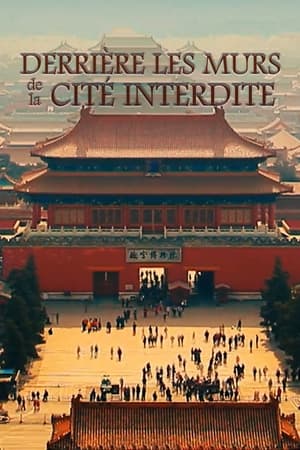
Secluded from view by nine-meter-high walls and composed of 980 buildings, the Forbidden City in Beijing is the largest imperial palace ever built in the world. Three majestic structures form its center and host the city's ceremonies, each of which is considered an architectural masterpiece. In 1406, construction of the Forbidden City was launched at the initiative of one of China's most powerful sovereigns and founder of the Ming dynasty: Yongle. Endowed with divine power, the construction has already resisted more than 200 earthquakes.
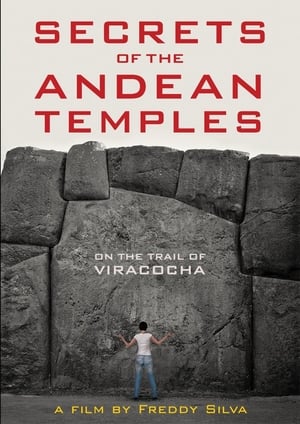
Thousands of years before the Inca, a megalithic civilization was founded at Lake Titicaca which spread 500 miles to Cuzco, following a global flood that destroyed the Earth in 9000 BC. Its architects — Viracocha and his seven Shining Ones — disappeared as mysteriously as they appeared, yet the legacy of temples they left behind still baffles the modern mind. Filmed at Tiwanaku, Puma Punku, Cuzco, Quenqo, Saqsayhuaman, Amuru Machay, Quillarumiyoc, Pisac, Tombomachay, Huayna Picchu, Ollantaytambo, Machu Picchu, Cutimbo, Silustani and Amaru Meru.
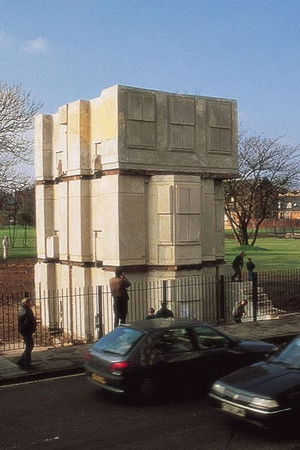
Rachel Whiteread’s cast of a Victorian terraced house in London’s East End was hailed as one of the greatest public sculptures by an English artist in the twentieth century. Completed in autumn of 1993 and demolished in January 1994, House attracted tens of thousands of visitors and generated impassioned debate, in the local streets, the national press and in the House of Commons.
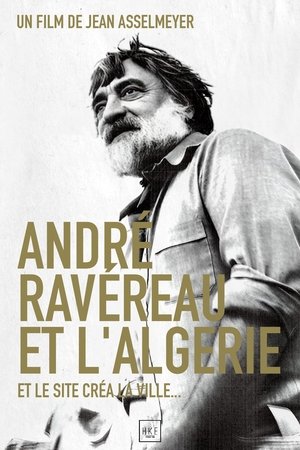
The architect André Ravéreau spent a large part of his life in Algeria, he is today an essential reference for Algerian builders of several generations. His daughter Maya, an architect herself, accompanies us to the places of his creations and his research, in the Mzab first where he lived, created, trained other architects in the "desert workshop" and had the oases of the Mzab classified as a UNESCO World Heritage Site. Inspired by tradition to better innovate as in the construction of the Ghardaïa post office, or in that of a very surprising villa... Then in Algiers where he worked to preserve the ancestral heritage of the Casbah, faithfully describing the principles of his construction in line with current concerns, such as the choice of environmentally friendly materials and avoiding energy waste, as testified by the architect Yasmine Terki, a great specialist in earth materials.
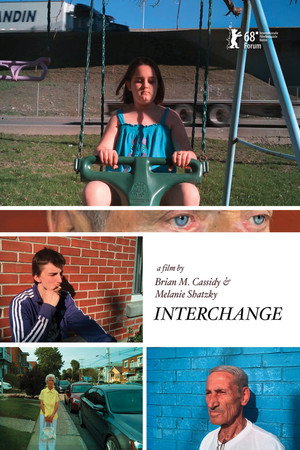
Bathed in the uncanny glow of late afternoon sun and set against a noisy highway, Interchange depicts the melancholy and isolation of a small working-class neighborhood on the outskirts of Montreal.
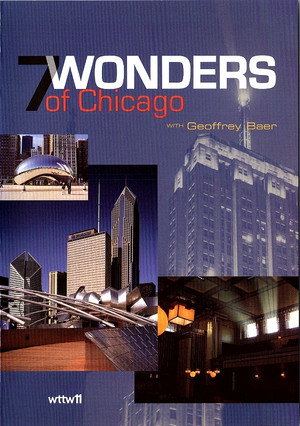
Chicago is filled with Architectural wonders from the famous to the hidden treasures waiting to be discovered! Join Geoffrey Baer as he explores seven of the best Chicago has to offer! The seven wonders include: Amazing Hotels, The Ferris Wheel, Heavenly Buildings, Scraping the Sky in Style, Architecture for Animals, That Tiffany Town, The Making of Millennium Park and so much more!
Tracing the history of blue jeans around the globe.
This documentary provides an astonishing journey through innovative, futuristic, utopian and sometimes bizarre architecture projects—including concrete illusions of grandeur and Lego-like modular apartments to an Instant City Airship and round, grass-covered subterranean dwellings—from the beginning of the 20th century to today.
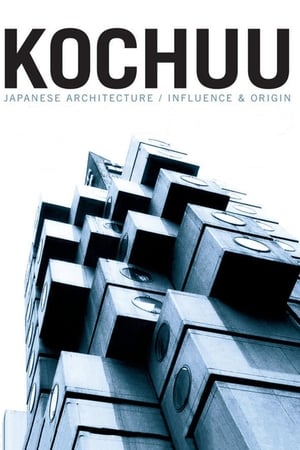
A film about modern Japanese architecture, its roots in the Japanese tradition and its impact on the Nordic building-tradition. Winding its way through visions of the future, traditions, nature, concrete, gardens and high-tech, KOCHUU tells us how contemporary Japanese architects strive to unite the ways of modern man with the old philosophies in astounding constructions. Interviews with, and works by, Japanese architects Tadad Ando, Kisho Kurokawa, Toyo Ito and Kazuo Shinohara and Scandinavian architects Sverre Fehn, Kristian Gullichsen and Juhani Pallasmaa.