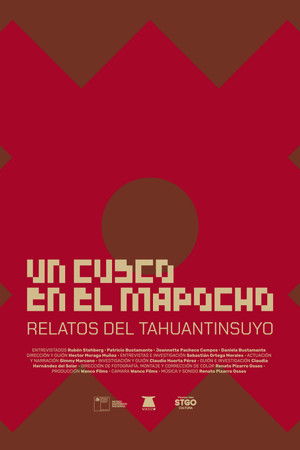
An immigrant lost in Santiago's subway discovers that the city he inhabits conceals a buried secret: Santiago was founded over a cusco, an administrative center of the Tahuantinsuyo Empire. Through his wandering across the city and the testimony of pre-Columbian history researchers, the film reconstructs the Inca presence in the Mapocho Valley and proposes a decolonial reading of Chilean urban territory.
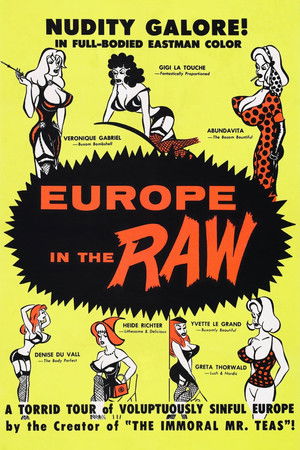
Russ Meyer's documentary about the underground vice world of Europe.
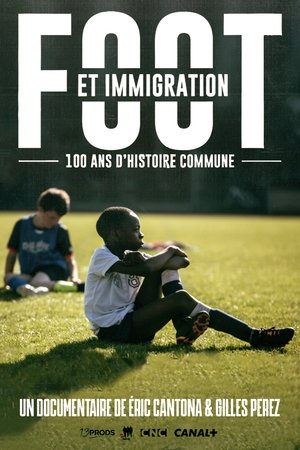
Football is both the place, the crystallization of sporting passion and the witness of identity imaginations. It is also an interesting and relevant area for discussing the migration issue. From the 1930s to the present day, football, notably with the composition of the French team, has reflected the plurality of the French population. Raymond Kopa, Michel Platini, Zinedine Zidane, Basile Boli... these four footballers alone illustrate the four major waves of immigration that France has experienced.
Documentary about the 1993 "Whore Culture: A Festival of Sex Work" event in Toronto.
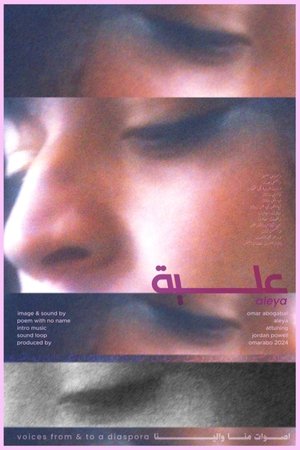
An intimate close-up on Aleya, a trans woman who has recently moved from Cairo to germany right after her transition. This portrait marks her first year as a woman, having to cope with the loss of loved ones, family disownment, hormonal and psychological turmoil. She shares intimate stories, anecdotes and poems that document her transition.
A documentary crew from the BBC arrives in L.A. intent on interviewing Heidi Fleiss, a year after her arrest for running a brothel but before her trial. Several months elapse before the interview, so the crew searches for anyone who'll talk about the young woman. Two people have a lot to say to the camera: a retired madam named Alex for whom Fleiss once worked and Fleiss's one-time boyfriend, Ivan Nagy, who introduced her to Alex. Alex and Nagy don't like each other, so the crew shuttles between them with "she said" and "he said." When they finally interview Fleiss, they spend their time reciting what Alex and Nagy have had to say and asking her reaction.
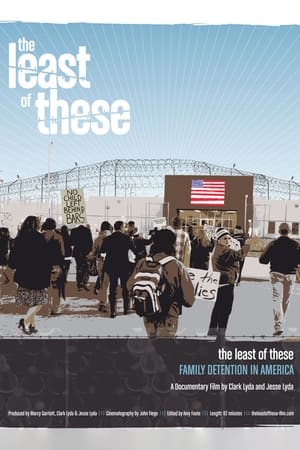
Detention of immigrant children in a former medium-security prison in Texas in 2007-8 leads to controversy when three activist attorneys discover troubling conditions at the facility. This compelling documentary film explores the role – and limits – of community activism, and considers how American rights and values apply to the least powerful among us. Since the film's release, activists Bob Libal, Barbara Hines, Vanita Gupta and Michelle Brane' have remained on the front lines of the continuing battles against injustice and child detention.
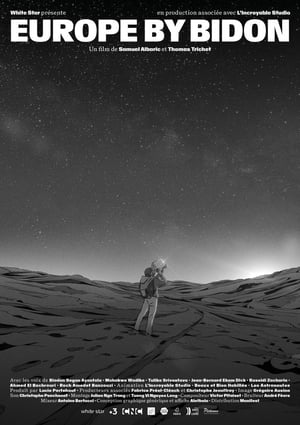
Biodun is Nigerian. In this animated documentary, he tells the story of his journey on foot from Lagos to Paris, how he survives with a container (un bidon) and thanks to his courage. With his amazing patter, he transforms the events into extraordinary adventures.
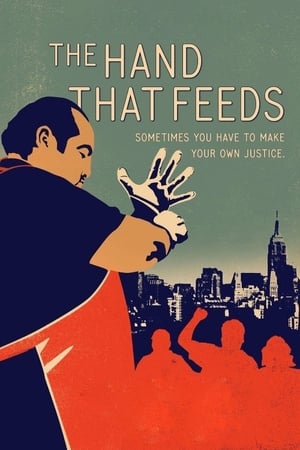
Behind the scenes of a popular deli on New York's Upper East Side, undocumented immigrant workers face sublegal wages, dangerous machinery, and abusive managers. Mild-mannered sandwich maker Mahoma López has never been interested in politics, but in Jan. 2012, he convinces a small group of his co-workers to fight back. Risking deportation and the loss of livelihood, the workers team up with a diverse crew of innovative young organizers and take the unusual step of forming an independent union, launching themselves on a journey that will test the limits of their resolve. In one rollercoaster year, they must overcome a shocking betrayal and a two month lockout. Lawyers will battle in backroom negotiations, Occupy Wall Street protesters will take over the restaurant, and a picket line will divide the neighborhood. If they can win a contract, it will set a historic precedent for low-wage workers across the country. But whatever happens, Mahoma and his compañeros won't be exploited again.
HOMME-RELAIS spotlights Juan Manuel, a doctor turned community leader who, amid migration grief and integration challenges, guides immigrant men through a life-changing program: forging resilience, belonging, solidarity, and hope.
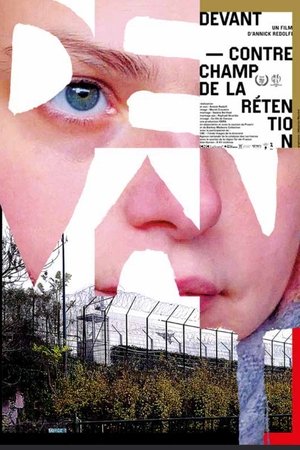
Pauline, Norah, Kristina and others wait for hours, sitting under a hut deep in the Bois de Vincennes. In front of the administrative detention center (CRA) in Paris, they have all come to see their loved ones locked up. Lives on hold, awaiting deportation or release. On this stage, these women tell their stories, talk to each other, share their experience, their revolt and their dreams with new visitors. They are the mirror of migrant detention, its reverse view.
In a courtroom in Queens, women facing prostitution charges may earn a chance at redemption thanks to an experimental program established by a team of rebel heroines working to change the system.
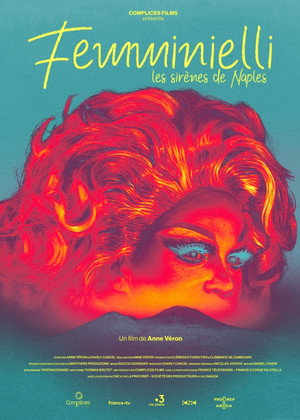
A documentary that explores the centuries-old tradition of the femminielli in Naples—people assigned male at birth who live in feminine roles and hold a unique place in the city’s popular culture. Through intimate portraits and everyday moments, the documentary follows members of this community as they take part in rituals, celebrations, and acts of neighborhood solidarity that blend folklore, spirituality, and gender expression. From lively streets to the pilgrimage at Montevergine Sanctuary, the film reveals how the femminielli embody a longstanding yet fragile tradition, offering a moving reflection on identity, resilience, and the survival of a distinctive cultural heritage.
The tragedy of Eva-Marree, deprived of her children for prostitution then killed by their father. In a convincing indictment, director Ovidie denounces the abuse of power by a supposedly protective Swedish state.
A stark documentary about young male prostitutes in Prague, aged 15 to 18, who work the streets, train stations, and clubs. Through candid interviews and behind-the-scenes footage of gay porn shoots, the film explores their lives, struggles, and dreams, touching on themes of exploitation, identity, AIDS, and survival.
Over a decade, a family struggles for U.S. citizenship, confronting fear and sacrifice while forging an identity beyond legal status in a hostile immigration climate.
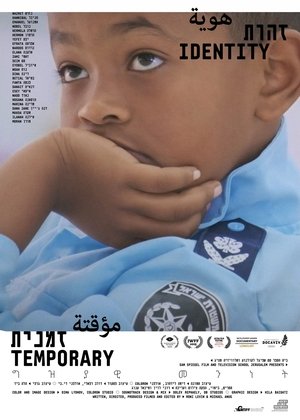
What does it mean to belong to a place, a country? In a south Tel Aviv elementary school, that question is addressed head-on by a fourth-grade class and their teacher. The children are asylum seekers whose families mostly do not have a legal status in Israel, yet learn, sing and play in Hebrew all the while examining their identity and sense of belonging.
British filmmaker Beeban Kidron ventures onto the mean streets of the South Bronx and other New York locales to examine the lives of those involved in the city's thriving sex industry.
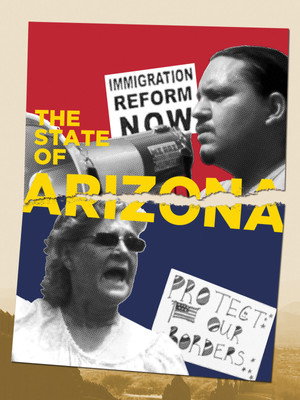
From PBS: Arizona's enforcement-led policy, which grew out of its unique position as a frontline border state, is reshaping the national conversation around immigration reform. With dozens of states considering a similar approach, THE STATE OF ARIZONA holds up a mirror, asking Americans who they are, and who they want to be.
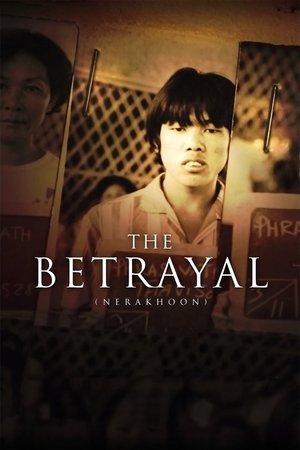
Co-directed by acclaimed cinematographer Ellen Kuras and subject Thavisouk Phrasavath, this haunting documentary chronicles a refugee family’s epic journey from Laos in the aftermath of the secret war waged by the United States there to New York, where they find themselves fighting a different kind of war on the streets of Brooklyn. Filmed over the course of 23 years, THE BETRAYAL is a visually and emotionally stunning look at the complex ways in which the political shapes the personal.