Primary is a documentary film about the primary elections between John F. Kennedy and Hubert Humphrey in 1960. Primary is the first documentary to use light equipment in order to follow their subjects in a more intimate filmmaking style. This unconventional way of filming created a new look for documentary films where the camera’s lens was right in the middle of what ever drama was occurring. Preserved by the Academy Film Archive in partnership with The Film Foundation in 1998.
A young man living with his parents in Wisconsin comes face to face with a terrifying monster while searching for the elusive cryptic known as the Hodag.
Documentary by lifelong friend that supports the innocence of Alger Hiss (convicted in January 1950 on two counts of espionage-related perjury)
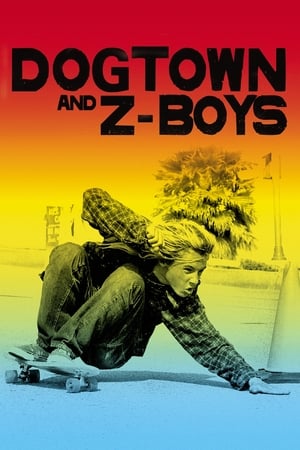
This award-winning, thrilling story is about a group of discarded kids who revolutionized skateboarding and shaped the attitude and culture of modern day extreme sports. Featuring old skool skating footage, exclusive interviews and a blistering rock soundtrack, DOGTOWN AND Z-BOYS captures the rise of the Zephyr skateboarding team from Venice's Dogtown, a tough "locals only" beach with a legacy of outlaw surfing.
A film's art director is in charge of the set, from conception to construction to furnishing. This short film walks the viewer through art directors' responsibilities and the demands on their talents. They read a script carefully and design a set to capture the time and place, the social strata, and the mood. They must be scholars of the history of architecture, furnishings, and fashion. They choose the colors on a set in anticipation of the lighting and the mood. Their work also sets styles, from Art Deco in the 20's to 30s modernism. Then it's on to the next project. Preserved by the Academy Film Archive in 2012.
In 1959, Berry Gordy Jr. gathered the best musicians from Detroit's thriving jazz and blues scene to begin cutting songs for his new record company. Over a fourteen year period they were the heartbeat on every hit from Motown's Detroit era. By the end of their phenomenal run, this unheralded group of musicians had played on more number ones hits than the Beach Boys, the Rolling Stones, Elvis and the Beatles combined - which makes them the greatest hit machine in the history of popular music. They called themselves the Funk Brothers. Forty-one years after they played their first note on a Motown record and three decades since they were all together, the Funk Brothers reunited back in Detroit to play their music and tell their unforgettable story, with the help of archival footage, still photos, narration, interviews, re-creation scenes, 20 Motown master tracks, and twelve new live performances of Motown classics with the Brothers backing up contemporary performers.
An indictment of closeted politicians who lobby for anti-gay legislation in the US.
A strange and mischievous documentary on an archeological site in the Qaytarieh hills in Tehran. This short narrates the story of the dead people who wished never to be found.
This film describes a psychological state "kin to moonstruck, its images emblems (not quite symbols) of suspension-of-self within consciousness and then that feeling of falling away from conscious thought. The film can only be said to describe or be emblematic of this state because I cannot imagine symbolizing or otherwise representing an equivalent of thoughtlessness itself. Thus the actors in the film, Jane Brakhage, Tom and Gloria Bartek, Williams Burroughs, Allen Ginsberg, Peter Olovsky and Phillip Whalen are figments of this 'Thought-Fallen Process', as are their images in the film to find themselves being photographed."
Caught between chasing his past and accepting his impending end, a man follows his childhood memories through the dark alleyways and desolate cemeteries of Boujad, Morocco.
After five years studying in Paris, Arash has not adjusted to life there and has decided to return to Iran to live. Hoping to change his mind, his two friends Hossein and Ashkan convince him to take a last trip through France.
Gouge - a documentary tracing The Pixies' story featuring interviews with Bono, David Bowie, Thom Yorke and Jonny Greenwood (Radiohead), Graham Coxon and Alex James (Blur), Fran Healy and Andy Dunlop (Travis), P J Harvey, Tim Wheeler (Ash), Gavin Rossdale (Bush) and Badly Drawn Boy.
The band Fugazi is documented over a period of more than ten years (1987-1998) through performance footage and interviews with the band and their fans. Director Jem Cohen's relationship with band member Ian MacKaye extends back to the 1970s when the two met in high school in Washington, D.C.. The film takes its title from the Fugazi song of the same name, from their 1993 album, In on the Kill Taker. Editing of the film was done by both Cohen and the members of the band over the course of five years. It was shot from 1987 through 1998 on super 8, 16mm and video and is composed mainly of footage of concerts, interviews with the band members, practices, tours and time spent in the studio recording their 1995 album, Red Medicine. The film also includes portraits of fans as well as interviews with them at various Fugazi shows around the United States throughout the years.
Tells the story of the rise and fall of Michael Alig, a kid from Middle America who aspired to take the place of Andy Warhol. Michael quickly rose to become the biggest party promoter in New York and King of the so-called Club Kids. But after spiraling into drug addiction, Michael brutally murdered his roommate Angel Melendez.
In 2007 the legendary American duo White Stripes toured Canada. Besides playing the usual venues they challenged themselves and played in buses, cafés and for Indian tribal elders. Music video director Emmett Malloy followed the band and managed to capture both the special tour, extraordinary concert versions of the band's minimalist, raw, blues-inspired rock songs and the special relationship between the extroverted Jack White and the introspective Meg White - a formerly married couple who for a long time claimed to be siblings. The film makes striking use of the band's concert colors: red, white and black.
An intimate portrait and saga of four film pioneers--Harry, Albert, Sam and Jack who rose from immigrant poverty through personal tragedies persevering to create a major studio with a social conscience.
Larry Pierce is a family man and factory worker who lives in Middletown, Indiana with his wife Sandy. Outside of his regular nine-to-five job, Pierce has also been writing and recording raunchy country albums since 1994. After being forced to retire from his job after thirty-one years, the 53-year-old Pierce hooks up with the rock group -itis and performs his first concert in front of a live audience.
Light Upon Light: A Documentary on Hijab is an intimate and deeply personal exploration of the diverse, raw, and untold stories of hijabi women. Through open and vulnerable conversations with 7 women, the film dismantles stereotypes, highlights the challenges imposed by society, and celebrates the profound beauty of the hijab beyond a mere clothing choice. It captures the individuality of each woman’s story—how they came to wear the hijab, the struggles they’ve faced, and the strength they’ve found in it. More than just fabric, the hijab is a journey, often misunderstood, and influenced by the way the world perceives it. By amplifying voices that are often unheard, the documentary creates a space for empathy, challenges misconceptions, and invites a deeper understanding of what it truly means to wear the hijab; inspiring everyone to see hijab in a new light.
In this documentary, filmmakers Daniel B. Gold and Judith Helfand (Blue Vinyl) follow a troupe of self-proclaimed global warming "warriors" on a mission to get the world to care about rising temperatures and melting polar ice caps. Taking a topic that's inherently serious and applying their signature blend of humor and emotional heft, Gold and Helfand advance the environmental dialogue in a surprisingly entertaining way.
This short focuses on the job of the costume designer in the production of motion pictures. The costume designer must design clothing that is correct for the film historically and geographically, and must be appropriate for the mood of the individual scene. We see famed costume designer Edith Head at work on a production. The Costume Designer was part of The Industry Film Project, a twelve-part series produced by the film studios and the Academy. Each series episode was produced to inform the public on a specific facet of the motion picture industry. Preserved by the Academy Film Archive in 2012.