Teens on a study program abroad have to learn survival techniques when they crash on an uncharted Malaysian island.
Eco-Traveler Safari of Sarawak is a one hour documentary that will take viewers on an odyssey that not only reveals the intense beauty of a people and the nature that surrounds them, but a little known and compelling reason to save the rainforest.
Booklovers, booksellers, storytellers and writers can easily squeeze into various demos of important issues. This documentary brings this group of people in the limelight, discussing the value of art space in bookshops. The book-loving director Kong King Chu visited independent bookshops in Hong Kong, Singapore and Malaysia for three to four years, tried to understand how a bookshop can become a dynamic, inspiring and heartwarming space, even these booksellers carry different attitude towards life, books and community, as well as management beliefs. These booksellers do not care about the commercial value emphasized by the capitalist society and they are content in their own way by sharing their enthusiasm about books with the others in spite of all difficulties. Thus, they keep trying new methods to sharpen their touch on social issues and become an important starting point for the general public to reflect upon conflicts in our society.
A German diving instructor, Tom Broder, falls in love with the natural beauty of Malaysia - and with a courageous Malaysian biologist and environmentalist, Sarifah Bt. Ismail, fighting with her to prevent an unscrupulous hotel owner from constructing a holiday resort on a nature reserve where turtles are preserved from extinction. Then, when his elder brother, Kai, and his family turn up unexpectedly, the diving instructor is confronted with his past... because the woman his brother married was once the love of his life, until she chose the other brother. Since then the two of them haven't said a single word to each other. Now the older brother announces that he wants them to be reconciled. Nobody realises at this stage that he is up to his neck in debt and plans to fake his death in Malaysia, so he can begin a new life.
In the fall of 2000, a group of Malaysian underground musicians arrived at the Rockers' village in the outskirts of Beijing. Living illegally in a farmhouse, they tried to blend into the Beijing underground scene. They sought performance opportunities and gigs in pubs and bars.
In the heart of Borneo's rainforests, one of the oldest and most biodiverse ecosystems on Earth, lives the orangutan, arguably the largest tree dweller. The main story is about mother ape Sati and her one-and-a-half-year-old daughter Huyan on their journey through the jungle, while at the Sepilok Orangutan Rehabilitation Centre, orphaned and rescued young animals are given a chance at a new life in the wild. But their habitat is threatened by radical deforestation and palm oil plantations. This impressive documentary shows these endangered great apes at eye level for the first time. With the help of innovative drone technology an insight into the dizzying treetops of the jungle giants was, achieved where they mostly stay. It discovering the secret lives of these extraordinary animals with insightful footage and partly some scenes never before seen. Unforgettable images illustrate why protecting the rainforests is crucial for the orangutans and the future of our planet.
"The Tides Will Decide" is a documentary that follows Priscilla Patrick, a well-known Malaysian radio personality, and how she was caught in the 2004 tsunami in Sri Lanka. Miraculously surviving the devastating waves, she opens up about the harrowing incident and the events that followed. As Priscilla prepares to return to Sri Lanka for the 20th anniversary of the tragic event, this documentary will share glimpses of her life, highlighting the individuals who have influenced her, her relationship with God, and how everything came together when the ocean nearly claimed her life.
Local filmmaker Woo Ming Jin and his crew traversed across Peninsular Malaysia and Singapore to find 'Seruan Merdeka' (1947) - the first film made in Malaya post-WWII, and also the first film in the history of Malaysian cinema to feature a biracial cast of Malays and Chinese. While tracking the film's whereabouts, Woo met many locals along the way, whom he interviewed in an effort to find out more about the country's history.
Temiar Senoi, an indigenous people of Malaysia, live in the realm of unique dream culture. Their exceptionally harmonious and non-violent way of living has been claimed to be a direct result of their dream directed habits. Their sole aim is to exist in balance with nature and fellow man. But the nature is under threat by a massive rain forest logging operation masterminded by the Malaysian government. And the tribe itself is under another, direct threat by the same government, who try to institute "modern" customs among the tribes, including state religion and education programs.
M for Malaysia documents the 2018 Malaysian General Elections when the people of Malaysia, led by a 92 year-old former Prime Minister, overthrew one of the longest ruling governments in the world. Despite endless barriers thrown at them, the tense campaign pushed on with the most surprising result in the country’s history.
Procès de Tokyo, le Nuremberg oublié
Yokoi and His Twenty-Eight Years of Secret Life on Guam
A travel documentary essay, interspersed with specially composed songs, about the early life and legacy of Chin Peng, exiled leader of the banned Communist Party of Malaya.
They sacrificed their lives fighting for the independence of their country, but their stories remain untold for 60 years. The story begins with a man’s portrait, which has been hanging for more than 30 years in an old wooden house where I was born and grew up in Perak, Malaysia. It’s long become a taboo that my families do not talk about this man, not even to bring up his name or his past. Eventually I found out he is my grandfather, who sacrificed his life fighting for Malaysia’s independence and decolonisation, but his and his comrades’ stories are excluded from history. This documentary set out to unveil the mysteries.
“In Search of Unreturned Soldiers was about former soldiers of the Japanese army who chose not to return to Japan after the war. I found several of them who had remained in Thailand. Two years later, I invited one of them to make his first return visit to Japan and documented it in Outlaw-Matsu Returns Home. During the filming, my subject Fujita asked me to buy him a cleaver so that he could kill his ‘vicious brother.’ I was shocked, and asked him to wait a day so that I could plan how to film the scene. By the next morning, to my relief, Fujita had calmed down and changed his mind about killing his brother. But I couldn’t have had a sharper insight into the ethical questions provoked by this kind of documentary filmmaking.” —Shôhei Imamura
In 1996, Rémy Schejbal, a seasoned spelunker, assembled a small team and headed to Malaysia. His goal: to photograph the largest cave in the world for the first time.
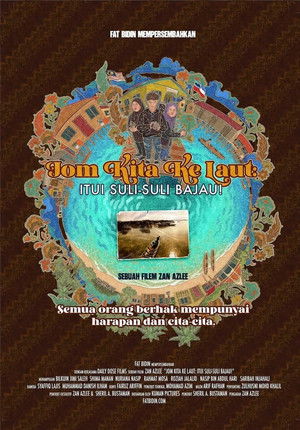
Bilkuin, Shima and Didi are three youths living on Omadal Island, situated off the coast of Sabah in Borneo, where a majority of the population consists of the stateless Bajau Laut (Sea Gypsies). After joining and excelling in a filmmaking workshop, they are selected to be junior directors or apprentices to be mentored by a professional film crew. 'Jom Kita Ke Laut' tells the specific story of their three lives as they try to document it on their own, which eventually gives us a view of how life is on the island for the Bajau Laut and the challenges they face by being stateless in their own land and not having access to basic human rights like education and healthcare.
In December 1993, a luxury condominium tower block collapse after ground erosion from the neighbouring hillside. About 50 people lost their lives and to this day has become one of the darkest and saddest tragic incidents in Malaysian history. Twenty years later in 2013, a group of documentary filmmakers venture into the remaining two blocks that is left standing to do a ghost hunting expedition. What they discovered is not for the faint-hearted.
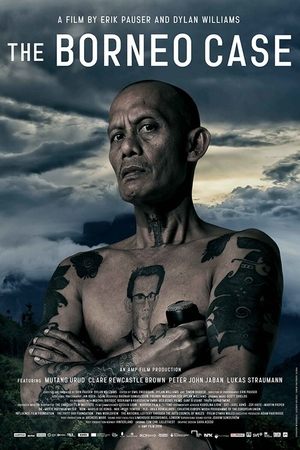
The Borneo Case is a unique story filmed over 25 years and tells the epic tale of how the rainforest, home of the last nomads was stripped of its natural resources. It reveals how billions of dollars of illegal profits solicited by the Chief Minister of Sarawak State in Malaysia were money laundered with the assistance of the largest global banks into offshore accounts and property portfolios all over the world. The case was labelled as the largest environmental crime of the century.
Karayuki-san, the Making of a Prostitute is a 1975 Japanese film by director Shohei Imamura. It is a documentary on one of the Japanese "karayuki-san," who were women that were taken from their homes in Japan and used as prostitutes in the post-war period. Many of these women were told that they were doing this to support their families because of the extreme poverty that the war left much of Japan to live in. Imamura focuses on a particular such woman who was sent to Malaysia and never returned to Japan. Joan Mellen, in The Waves at Genji's Door, called this film, "Perhaps the most brilliant and feeling of Imamura's fine documentaries."