Augusto and Paulina have been together for 25 years. Eight years ago, he was diagnosed with Alzheimer's disease. Both fear the day he no longer recognizes her.
Love Alone Can’t Make a Child chronicles the love story and emotional odyssey of Maria and Christiane who, for over a decade, have been trying to fulfil their desire of giving birth to a child of their own. The director, a childhood friend of Maria, lovingly narrates the couple's journey, showcasing their resilience in the face of ever-increasing challenges, and the intricate dynamics of a relationship under tremendous strain. More than anything else, the film continually pursues what love truly means in a long-term romantic relationship.
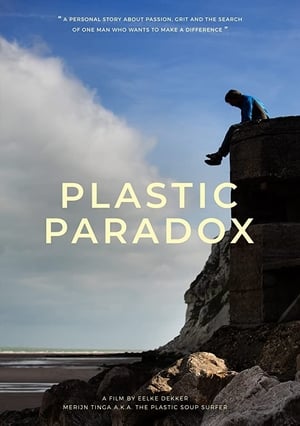
Documentary about Merijn Tinga's fight againt the plastic soup.
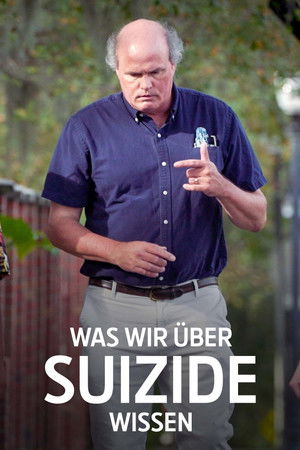
Suicide is one of the world's leading causes of death, with almost 800,000 people taking their own lives every year, not counting those who go unrecorded. What drives people to take their own lives, and how can they be prevented from doing so? This documentary attempts to provide some answers.
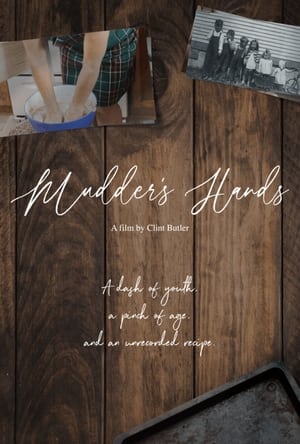
A dash of youth, a pinch of age, and an unrecorded recipe: Mudder's Hands is a charming documentary conversation about arthritis, centered around the tradition of baking Newfoundland raisin bread.
A teen with autism unlocks a joyous world of self-expression as she shares her voice for the first time using a letter board.
Short public information film showing housewives' efficient and hygienic methods of food storage.
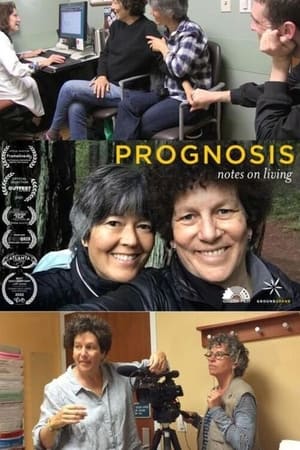
When filmmaker Debra Chasnoff faces stage-4 cancer, she turns her lens on herself and the disease. What emerges is a portrait of her extended LGBTQ family —a story about hanging on while letting go.
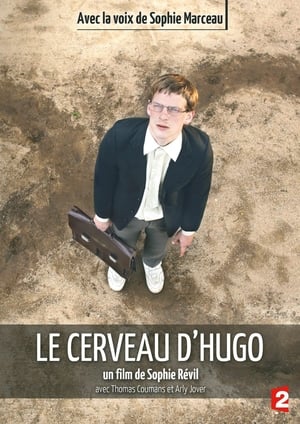
The Hugo's Brain is a French documentary-drama about autism. The documentary crosses authentic autistic stories with a fiction story about the life of an autistic (Hugo), from childhood to adulthood, portraying his difficulties and his handicap.
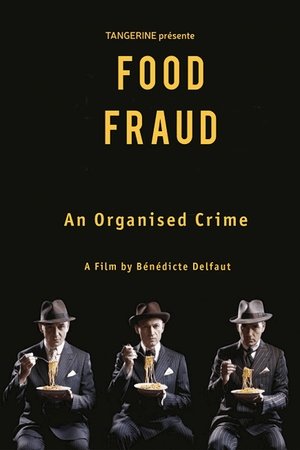
All food can be adulterated. More discreet than a drug cartel, more elusive than arms dealers, criminals have taken over food. Olive oil, fish, meat, spices, no department escapes their juicy traffic. A jackpot estimated in Europe at 30 billion euros enriches a new kind of mafia every year. Organized crime is selling altered products in restaurants, supermarkets and all food shops in the European Union. Their secret is to replace an ingredient with a cheaper one. Who are these new traffickers? What are their methods of operation?
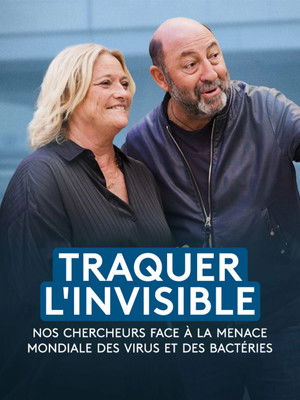
Traquer l'invisible - Nos chercheurs face à la menace mondiale des virus et des bactéries
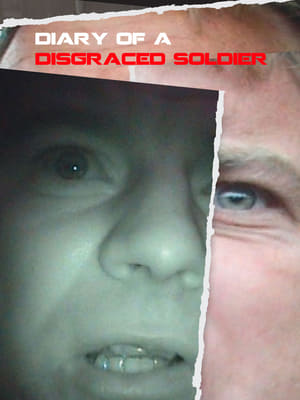
In Iraq 2003 Corporal Martin Webster filmed fellow soldiers beating Iraqi youths during rioting in Al Amara. Two years later, a British newspaper obtained his footage. The story that ran led to outrage across the world.
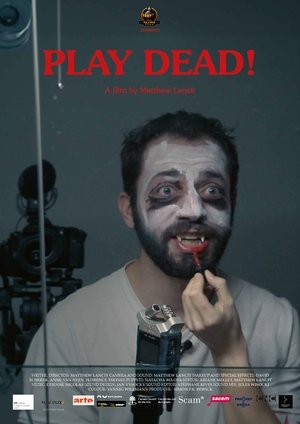
If there is one person Matthew Lancit can’t get out of his mind, it is his uncle Harvey. Dark rings around his eyes, pale, blind, his legs amputated. Like Harvey, the filmmaker also suffers from diabetes. He has the disease under control, but one question is always nagging at him: How much longer? His long-term (self-)observation reliably revolves around fears of infirmity and mutilation. He translates the feared body horror into film, stages himself as a zombie, vampire, a desolate figure. Lancit playfully anticipates his potential decline, serving up a whole arsenal of effects which – as video recordings prove – go back to his youth. It is not for nothing that the “dead” in the title is also reminiscent of “dad.” Because “Play Dead!” also negotiates his own role as a father.
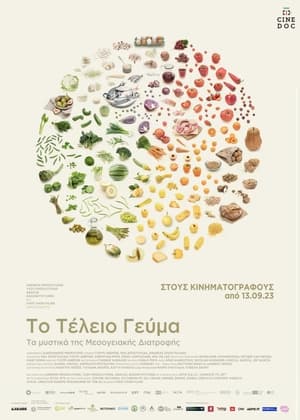
A food-loving and scientific tribute to the Mediterranean diet and, not least, the liquid gold: olive oil.
Plastic Odyssey, mission pacifique
An interesting talk with Dr. Eusebio Rubio-Aurioles, about the current state of psychotherapy.
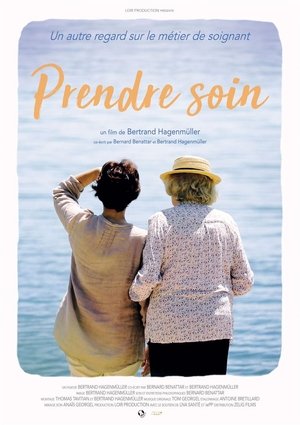
An immersive documentary about four nurses working in retirement houses in Alzheimer units. Near to Claire, Luca, Antoinette and Lika, we discover how the nurses work, how the care is possible, with patience, ability, intelligence, tenderness and love.
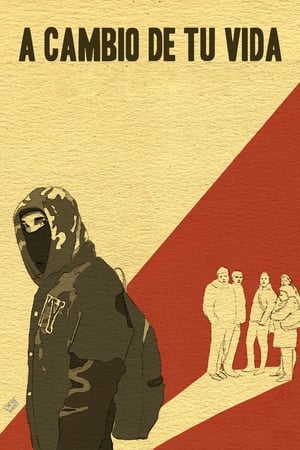
An explosion in one of the largest chemical plants in Europe, the Petrochemical complex in Tarragona, triggers the labour struggle of a group of workers who demand what is fair for everyone.
50 Hours Underwater
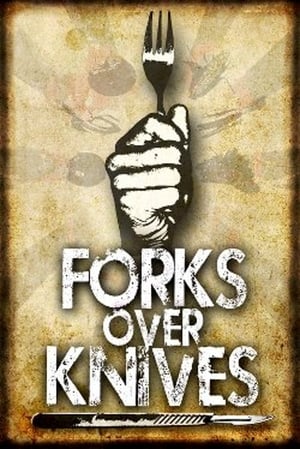
Examines the profound claim that most; if not all; of the degenerative diseases that afflict us can be controlled; or even reversed; by rejecting our present menu of animal-based and processed foods. The idea of food as medicine is put to the test. Cameras follow "reality patients" who have chronic conditions from heart disease to diabetes. Doctors teach these patients how to adopt a whole-foods, plant-based diet as the primary approach to treat their ailments - while the challenges and triumphs of their journeys are revealed.