Malaika Vaz follows the illegal manta ray trade pipeline from fishing vessels in the Indian Ocean, to the Indo-Myanmar border and finally undercover in the wildlife trafficking hubs of Hong Kong and Guangzhou.
El año del relevo
Beneath the harvest sun and the cicada song, Mónica Martins Nunes builds a touching portrait of Serra de Serpa, an arid region in the south of Portugal affected by rural exodus. The poems sung by the shepherds and market traders resonate like the last gesture of a human landscape which resists sinking into oblivion.
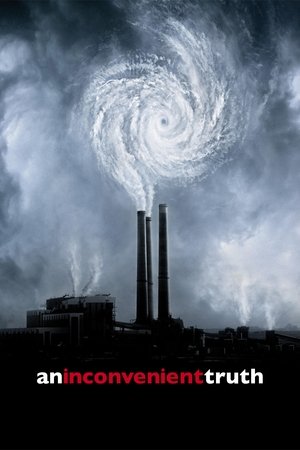
A documentary on Al Gore's campaign to make the issue of global warming a recognized problem worldwide.
Pombo Doméstico: Herói ou Vilão?
A look at the state of the global environment including visionary and practical solutions for restoring the planet's ecosystems. Featuring ongoing dialogues of experts from all over the world, including former Soviet Prime Minister Mikhail Gorbachev, renowned scientist Stephen Hawking, former head of the CIA R. James Woolse
A short documentary illustrating how art can influence public perception towards environmental issues. Green Patriot Posters is a highly acclaimed multimedia design campaign that challenges artists to deepen public understanding and ignite collective action in the fight against climate change. So far, it has reached five million people through print media, public space and digital culture. The film features interviews with key Green Patriot Posters contributors (Shepard Fairey, Michael Bierut, DJ Spooky, Mathilde Fallot) and its founders (The Canary Project, Dmitri Siegel).
Les petites baies qui montent
The Heroes of the Massacre River is a powerful documentary that chronicles the stories of the pioneers behind the construction of the historic Canal of Ouanaminthe, a project that united Haitians across the nation and the diaspora. This film celebrates the groundbreaking efforts of key figures, centering on Dr. Bertrhude Albert, Dr. Naismy-Mary Fleurant, architect Wideline Pierre, economist Etzer Emile as well as dedicated canal workers Milourie Sylfrard, Theodore Johnson and Joseph Pressoir — all guided by the investigative journey of Max Angie Clervil. It also serves as a commentary on the complexity of colonialism and borders, tracing the role that the Massacre River continues to play in the history of Ayiti.
David Attenborough and scientist Johan Rockström examine Earth's biodiversity collapse and how this crisis can still be averted.
“Let nature be nature” is the philosophy of the Bavarian Forest National Park. Despite massive resistance, this vision has become a groundbreaking showcase project. Because humans do not interfere with nature, the former commercial forests grow into a primeval forest, a unique ecosystem and a refuge for biodiversity. People from all over the world come here. They are looking for answers to the question of why we need more wild nature and what we can learn from it to preserve forests for future generations in times of climate change.
A deep and visually stunning survey of age-old ideas about food, ecological connectedness, and personal happiness. The film's warm cast guide audiences on a transformational journey through Japan, Korea, and the United States.
In Tacony Creek Park, home to one of Philadelphia's lesser-known watersheds, Julie Slavet and Malcolm Bundy reflect on their involvement with and love for the park, made bittersweet by the continuous and increasing amount of pollution that flows into its river. Combined wastewater and stormwater sewage outfalls have affected Philadelphia's rivers for years, but as one innovative program mitigates this for the Schuylkill and Delaware, Tacony gets left behind. Scientist Laura Toran educates the audience on green infrastructure and its potential positive impacts, while Slavet and Bundy discuss how they're still waiting—not without hope—for those impacts to reach their community.
Paul and Lindsey, a couple who left the hustle of city life for country life. From caring for animals to sustaining the land, their journey is filled with challenges, heartwarming triumphs, and a deep connection to nature. Discover how they’ve redefined what it means to live a meaningful life.
In Lopera (Jaén), the ecological transition has turned into a nightmare: centuries-old olive groves are being uprooted to make way for massive photovoltaic plants, in an unfair battle between powerful corporations and the local community. Through firsthand testimonies, striking visuals, and an analysis of the current energy model, Forced Renewables reveals how progress, when poorly planned and disconnected from rural life, can lead to an unprecedented ecological, social, and economic disaster.
Atlantis is filmmaker Luc Besson's celebration of the beauty and wonder of the world beneath the sea, expanding upon themes touched on in his film The Big Blue. Combining stunning underwater cinematography and a hypnotic score by Eric Serra, Besson's singular vision defies dialogue or narrative structure to explore ocean life as you've never seen it before. Following the colossal success of The Big Blue, Luc Besson crisscrossed the world's seas and oceans to film the beauty and diversity of marine life: from the giant octopuses of Vancouver to the manta rays of the Pacific (New Caledonia), and the grey sharks of Tahiti. A film with no actors or sets other than the underwater world. A breathtaking view of marine species: sharks, dolphins, manatees, octopuses. An exploration of the seabed in the Bahamas, the Galapagos, Vancouver, and Tahiti.
Wildnis 2.0 - Die Tierwelt auf Umwegen
King Corn is a fun and crusading journey into the digestive tract of our fast food nation where one ultra-industrial, pesticide-laden, heavily-subsidized commodity dominates the food pyramid from top to bottom – corn. Fueled by curiosity and a dash of naiveté, two college buddies return to their ancestral home of Greene, Iowa to figure out how a modest kernel conquered America. With the help of some real farmers, oodles of fertilizer and government aide, and some genetically modified seeds, the friends manage to grow one acre of corn. Along the way, they unlock the hilarious absurdities and scary but hidden truths about America’s modern food system in this engrossing and eye-opening documentary.
Railroad of Hope consists of interviews and footage collected over three days by Ning Ying of migrant agricultural workers traveling from Sichuan in China's interior, to the Xinjiang Autonomous Region, China's northwest frontier.[1] Through informal interviews aboard the cramped rail cars, Ning Ying explores the hopes and dreams of the workers, many of whom have never left their homes before.
Documentary detailing a farmer’s visit to the market in Rawalpindi.