Explores the realities of death-row inmates inside Huntsville (Texas) Unit, a prison with the highest number of executions in 1997. Features interviews with prisoners, guards, officials, lawyers and victims' family members.
In the spring of 2010, Julian Assange published classified documents that shed a harsh light on the war crimes committed by the United States in Afghanistan and Iraq.
Festival panafricain d'Alger is a documentary by William Klein of the music and dance festival held 40 years ago in the streets and in venues all across Algiers. Klein follows the preparations, the rehearsals, the concerts… He blends images of interviews made to writers and advocates of the freedom movements with stock images, thus allowing him to touch on such matters as colonialism, neocolonialism, colonial exploitation, the struggles and battles of the revolutionary movements for Independence.
Famous Spanish film critic Alfonso Sánchez talks about his personal life, his work and Anouk Aimée. A sentimental tribute to one of the most relevant figures on the Spanish film scene.
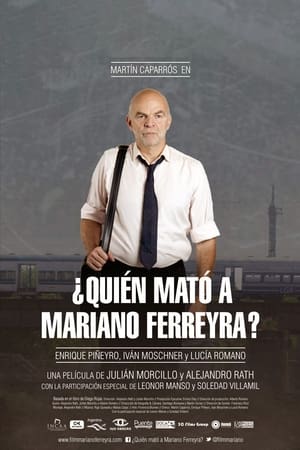
The journalist Andrés Oviedo must write about the murder of a young political activist Mariano Ferreyra for the magazine where he works. Oviedo performs a series of interviews and dialogues with familiars and friends of Ferreyra. The search for the truth and the motifs of the crime lead him to confront his publishers, who removed him from the case. In front of the arising complications, Andrés doubts to proceed with the investigation, but the support of his daughter, of the same generation as Mariano, helps him to continue. (FILMAFFINITY)
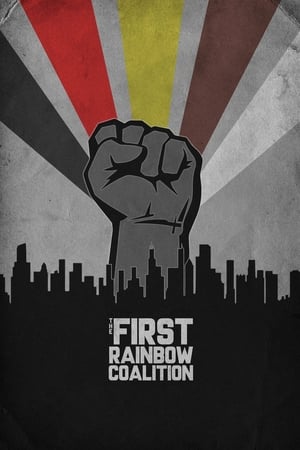
Chicago 1969: Activists from the Black Panthers, Young Lords, and Young Patriots united African Americans, Latinos, and poor whites to confront police brutality and unfair housing practices in one of America’s most segregated cities. A timely story of collective action, The First Rainbow Coalition tells this little-known chronicle of political struggle with insight and urgency using archival footage and interviews with those who lived it.
Victor was victim of a violent attack during the government of León Febres Cordero in 1987. More than 30 years later, he decides to free himself from the weight of the secrets and ghosts that has carried for many years and speak out.
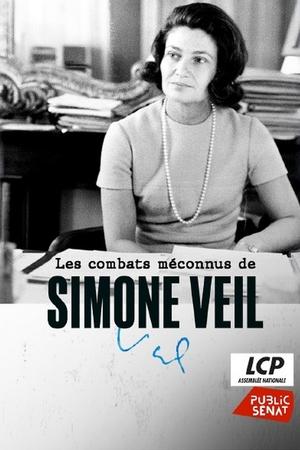
Entretien politique : Histoire et mode d'emploi
In the most dangerous country in the world for journalists, Newsweek Middle East editor, Janine di Giovanni, risks it all to bear witness, ensuring that the world knows about the suffering of the Syrian people.
Gloria Allred overcame trauma and personal setbacks to become one of the nation’s most famous women’s rights attorneys. Now the feminist firebrand takes on two of the biggest adversaries of her career, Bill Cosby and Donald Trump, as sexual violence allegations grip the nation and keep her in the spotlight.
The story of iconic Syrian peace activist Ghiyath Matar whose brutal torture and death at the age of 26 outraged the international community and erupted into one of the most violent uprisings in modern history.
A film about the noted American linguist/political dissident and his warning about corporate media's role in modern propaganda.
British documentarian Nick Broomfield creates a follow-up piece to his 1992 documentary of the serial killer Aileen Wuornos, a highway prostitute who was convicted of killing six men in Florida between 1989 and 1990. Interviewing an increasingly mentally unstable Wuornos, Broomfield captures the distorted mind of a murderer whom the state of Florida deems of sound mind -- and therefore fit to execute. Throughout the film, Broomfield includes footage of his testimony at Wuornos' trial.
From falsehood to mystification to manipulation and false impartiality, the whole logic of disinformation and brutality is brought to light. When the king of the media and his politico-journalistic buffoons are sifted by a radical counter-audiovisual power, the discredit of the "elites" sanctioned by the referendum of May 29, 2005 is better understood. With this film, Zalea TV's team had decided to laugh about it and make them laugh, even if at bottom these discoveries were rather disturbing. By staging a series of very simple techniques of "self-defense", this film is an invitation to self-disengage permanently. The use of the TV-B Gone, an instrument whose sole function is to turn off the television, appears here as the ultimate resort to media criticism.
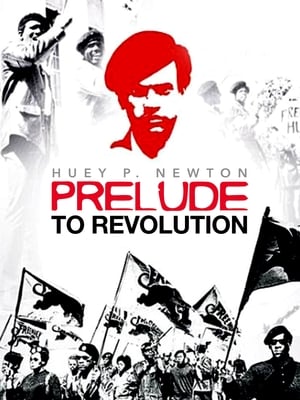
Fred Hampton was the leader of the Illinois Chapter of the Black Panther Party. This film depicts his brutal murder by the Chicago police and its subsequent investigation, but also documents his activities in organizing the Chapter, his public speeches, and the programs he founded for children during the last eighteen months of his life.
Scott Panetti was tried for the capital murder of his parents-in-law on September 8, 1992 in Gillespie County, Texas. He was subsequently sentenced to death on September 22, 1995. Panetti has an extensive history of mental illness, including schizophrenia, manic depression, auditory hallucinations and paranoia. Panetti was hospitalized, both voluntarily and involuntarily for mental illness fourteen times in six different hospitals before his arrest for capital murder in 1992. Following his conviction, Panetti’s former wife, and daughter of the victims, Sonja Alvarado, filed a petition stating that Panetti never should have been tried for the crimes as he was suffering from paranoid delusions at the time of the killings.
The story of how Dr. Mutulu Shakur, stepfather of Tupac Shakur, along with the Black Panthers and the Young Lords, combined community health with radical politics to create the first acupuncture detoxification program in America in 1973 — a visionary project eventually deemed too dangerous to exist in America.
Archival footage, animation and music are used to look back at the eight anti-war protesters who were put on trial following the 1968 Democratic National Convention.
Three intrepid women battle for Indigenous women's treaty rights.
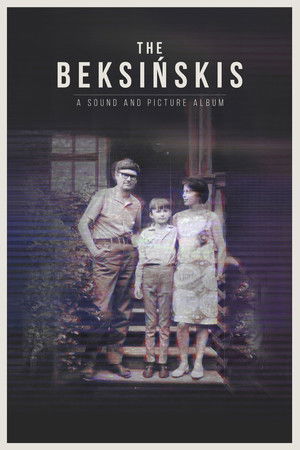
Painter Zdzisław Beksiński, his wife Zofia and their son Tomasz, a well-known radio journalist and translator, were a typical and unconventional family, both at the same time. One of the father’s obsessions was filming himself and his family members. Using archival footage only, shot primarily by Zdzisław, as well many other materials, which have not been presented anywhere so far, the film tells a tragic story of the Beksińskis that has never ceased to fascinate Polish filmmakers.