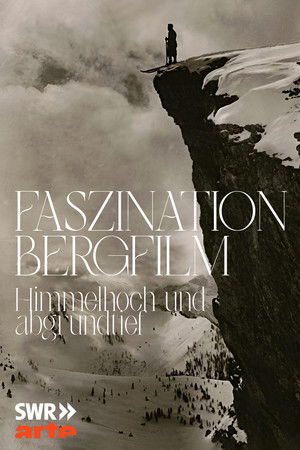
A fascinating chronology of 100 years of mountain film history in the Alps. This documentary focuses primarily on films shot on the Matterhorn, the Eiger, and the Grandes Jorasses, considered until the 1930s as the "last problems of the Alps," and shows the evolution of mountain filmmaking through numerous excerpts from documentaries and feature films – notably on the Matterhorn in 1901. The genre, appropriated as a means of mass exaltation by "fascist" regimes during the Second World War, was reinvented in the 1950s by Gaston Rebuffat, Marcel Ichac, and Lionel Terray in the Mont Blanc massif, avant-garde figures of French mountain cinema, who reintroduced, beyond performance, the values of the mountains – and in color – poetry, humor, and sharing among people from all walks of life.
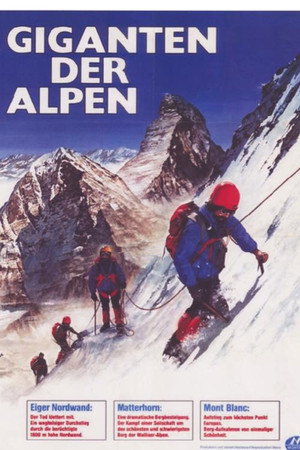
Giganten der Alpen "Montblanc,Eiger Nordwand,Matterhorn"
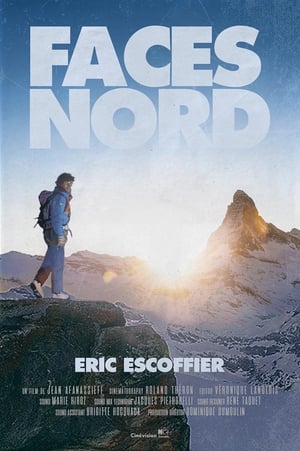
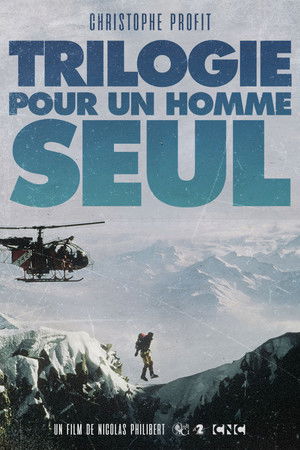
March 12, 1987. The young French mountaineer Eric Escoffier prepares his equipment, very reduced in material and food. He leaves the next day and intends to chain three north faces in the Alps: Eiger, Matterhorn and Grandes Jorasses. The ascent of the first summit, the Eiger is slow, difficult and full of pitfalls. It takes 17 hours to reach it. Without recognizing the terrain -he prefers to improvise- the mountaineer continues through the Matterhorn. When night falls, anxiety is felt on Zermatt's side. Help is organized to pick him up. Despite his refusal to return, Escoffier is finally hoisted. Christophe Profit, a few hours earlier, managed the chain of three summits.
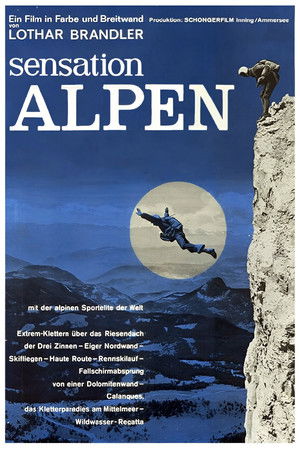
From Trento to Chamonix, via Zermatt; from the Morgiou cove to the Eiger's north face; from Planica to the Lavaredo peaks, the Alps are depicted, illustrated, and magnified in all their unique and sublime beauty, through the sports practiced there and the most typical customs and traditions of their inhabitants. A helicopter rescue and a parachute jump from the Red Wall by Wolfgang Weizenbocks are experiences not to be missed.
The most legendary 'sequence' ever achieved by a mountaineer: on 12 and 13 March 1987, in 40 hours, 26-year-old Christophe Profit managed to climb three of the highest north faces in the Alps, in winter: Grandes Jorasses, Eiger, and Matterhorn. But over and above this 'coverage' of the feat, we discover the wings, the story behind the project, the peaks and troughs of the preparations for it, and the personality of the man behind the climbs, a dancer on sheer rock faces, focusing all the energy and reflexes of life itself in his fingertips.
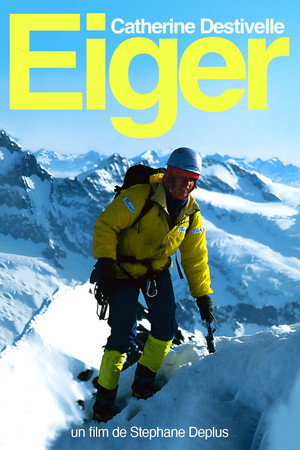
In the 1980s, Catherine Destivelle, nicknamed "Rock Queen," won several world titles in climbing competitions. In the early 1990s, weary of competitions, world championships, and the pressure of elite sport, she chose to return to the essentials: the mountains, alone and facing the challenge. In 1991, she established a new route—solo—on the west face of the Drus in 11 days. Her ascent garnered admiration, but for many, she remained primarily a rock climber. On March 9, 1992, around 5:00 a.m., she proved the skeptics wrong. After months of preparation on ice with her friend Jeff Lowe, she set off alone on the icy north face of the Eiger, and 17 hours later, she reached the summit. The mountaineering world bowed in awe; she entered the pantheon of mountaineering. Catherine Destivelle will be the first woman to have climbed the three great north faces of the Alps: the Grandes Jorasses, the Matterhorn and the Eiger – solo.
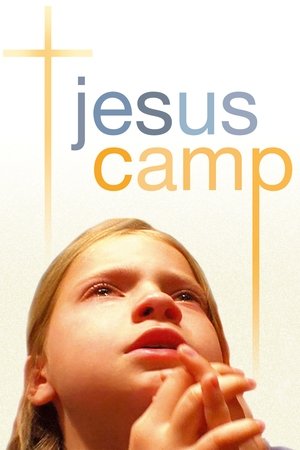
Jesus Camp is a Christian summer camp where children hone their "prophetic gifts" and are schooled in how to "take back America for Christ". The film is a first-ever look into an intense training ground that recruits born-again Christian children to become an active part of America's political future.
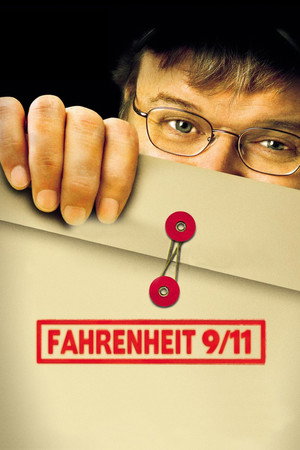
Michael Moore's view on how the Bush administration allegedly used the tragic events on 9/11 to push forward its agenda for unjust wars in Afghanistan and Iraq.
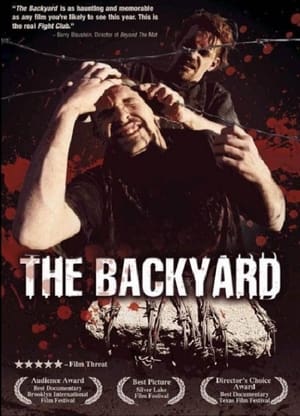
Lightbulbs, fire, barbed wire, mousetraps, staple guns, thumbtacks and glass are weapons of choice in The Backyard. This undercover documentary takes you deep into the controversial arena of backyard wrestling where the limits are constantly being tested...and broken. The Backyard follows several backyard wrestlers in different countries as they pursue their dream to become professional wrestlers.
A documentary about the closure of General Motors' plant at Flint, Michigan, which resulted in the loss of 30,000 jobs. Details the attempts of filmmaker Michael Moore to get an interview with GM CEO Roger Smith.
'“Tierbrücke”' tells with a lot of heart about the construction of the animal shelter in Ukraine, with all the adversities that go with it: lack of materials, language barriers, evacuations of animals at the front, and the danger for the construction workers of being drafted into the army. “'Tierbrücke”' tells of the animal souls left behind that nobody hears, even though they call for help every day and at all times. It tells of people who stay in a country at war to be there for animals. With all the hurdles that have become their normality. And it tells of dreamers from Germany who are confronted with the bitter reality of a privileged situation. People with two left hands who admittedly have more heart and soul than manual skills.
Presents the reggae spectrum in 1995, from roots icon Burning Spear to deejay Buju Banton to Ziggy Marley and the Melody Makers. Filmed at major festivals in Jamaica, Japan, Australia and the United States.
The opening ceremony of the 2014 Winter Olympics took place at the Fisht Olympic Stadium in Sochi, Russia, on 7 February 2014. It began at 20:14 MSK (UTC+4) and finished at 23:02 MSK (UTC+4) This was the first Winter Olympics and first Olympic Games opening ceremony under the IOC presidency of Thomas Bach. The Games were officially opened by President Vladimir Putin. An audience of 40,000 were in attendance at the stadium with an estimated 2,000 performers. The ceremony touched upon various aspects of Russian history, and included tributes to famous Russians, such as Peter Tchaikovsky (1840–1893), Ukrainian-born Russian humourist, dramatist, and novelist Nikolai Gogol (1809–1852), filmmaker Sergei Eisenstein (1898–1948), ballet dancer Vaslav Nijinsky (1889–1950), and patron of arts, and founder of Ballet Russes, Sergei Diaghilev (1872–1929).
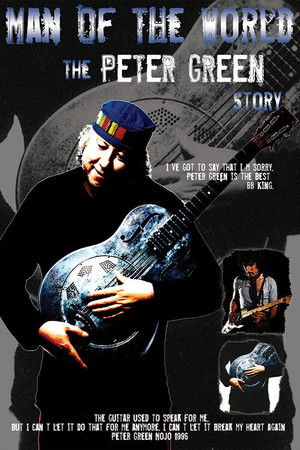
Legendary blues guitarist BB King named Peter Green as one of the greatest exponents of the blues, and the 'only guitar player to make me sweat'. If Green had only written Black Magic Woman, his name would still have a place in blues rock history forever. His three short years leading Peter Green's Fleetwood Mac saw the band established as one of the biggest-selling groups of the 1960s. Yet at the height of their fame Green left the group, with his life spiralling into turmoil as drug-induced mental health issues took control. Rumours of his demise began to spread, and sightings of him became notorious. After years battling his mental illness, Green wrote and recorded again. Featuring archive performances and interviews with Carlos Santana, Noel Gallagher, founding members of Fleetwood Mac and Green himself, this film tells the story of one of blues rock's living legends.
A film about three teenagers - Klara, Mina and Tanutscha - from the Berlin district of Kreuzberg. The trio have known each other since Kindergarten and have plenty in common. The three 15-year-olds are the best of friends; they are spending the summer at Prinzenbad, a large open-air swimming pool at the heart of the district where they live. They're feeling pretty grown up, and are convinced they've now left their childhood behind.
In the summer of 1996, Farocki filmed application training courses in which one learns how to apply for a job. School drop-outs, university graduates, people who have been re-trained, the long-term unemployed, recovered drug addicts, and mid-level managers - all of them are supposed to learn how to market and sell themselves, a skill to which the term "self management" is applied.
Documentary on poor people living in a slum in Rio de Janeiro, on the occasion of New Year's Eve of 1999.
Pilot JP Schulze and filmmaker Louis Cole set off to circumnavigate the world in a single-engine, 1974 Cessna T210L airplane named Balloo. They had 90 days to complete the journey, and as they traveled they met people from many different cultures and asked them - is what divides us greater than what brings us together?
The background and career of Tony Parker, whose determination led him to become arguably the greatest French basketball player.
This pulse-pounding documentary from the filmmaker Herbert Kline traces the rise of Hitler up to the very brink of WWII. The commentary, written by James Hilton and read by Fredric March, urges American viewers to abandon neutrality and enter a conflict about to explode.