Journalist Shiori Ito embarks on a courageous investigation of her own sexual assault in an improbable attempt to prosecute her high-profile offender. Her quest becomes a landmark case in Japan, exposing the country's outdated judicial and societal systems.
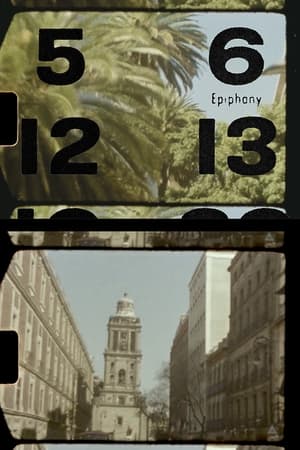
The bleached palette and home-movie aesthetics of Super 8 footage provide the image track for this testimonial about an illegal abortion in Mexico City in the 1960s, delivered in voiceover by the filmmaker’s mother. In its account of this intimate and disorienting memory, Lesser Choices summons a time of profound uncertainty—a moment from an era without rights—and offers a warning to the present.
The film unfolds an atmospheric symphony of violence over Beirut, revealing the haunting fusion of incessant Israeli military flights and the hum of generators during blackouts. This 45-minute video essay plunges viewers into a chilling chronicle of daily life transformed by the weaponization of the air, where the terror of repeated incursions becomes a disconcertingly banal backdrop.
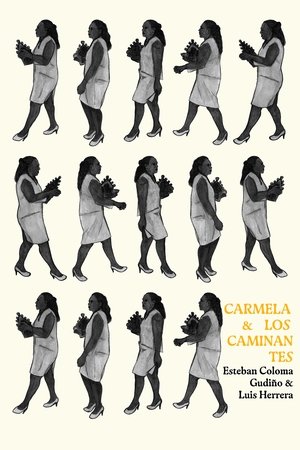
Carmela lives with her husband and eight children near the Ecuadorian-Colombian border. This 56-year-old Afro-Ecuadorian woman opened her home to provide free and temporary shelter for thousands who leave Venezuela on foot, hoping to find better days in other South American countries.
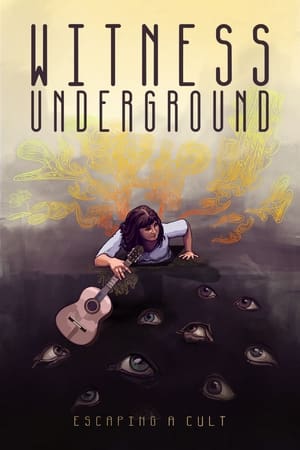
Punk rock, B-movies, and Jehovah’s Witnesses unite in this heartfelt documentary. As members of Jehovah’s Witness start to explore culture outside of their religion, they have to wrestle with the possibility of being excommunicated from friends and family. Featuring in-depth interviews and extensive home video footage, Witness Underground tells the story of punk rocker Witnesses pushing against the highly controlling Jehovah’s Witnesses religion as they build their own community through music and art. This prolific community of Witness musicians create their own record label, Nuclear Gopher, and become early adopters of promoting their music through the internet, including what may have been the first album to ever be livestreamed. This community’s history is well documented through archival footage of their home movies and self-produced music videos, all with a very charming energy.
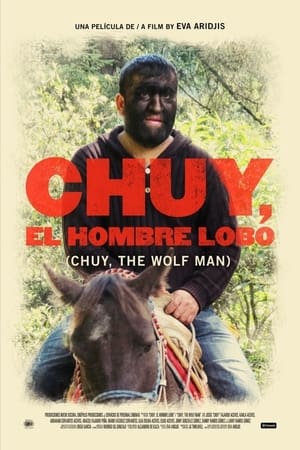
Jesus 'Chuy' Aceves and a dozen living members of his extended family suffer from the very rare condition of congenital hypertrichosis, meaning they were born with excessive hair on their faces and bodies. Due to their appearance, they suffer from discrimination in all areas of their lives: the children are made fun of at school and abandoned by their 'non-hairy' parents, and the adults cannot find work unless they choose to exhibit themselves as freaks in circuses. This moving and visually arresting documentary is a portrait of Chuy and his family members. It examines their day-to-day lives and their struggle to find love, acceptance and employment.
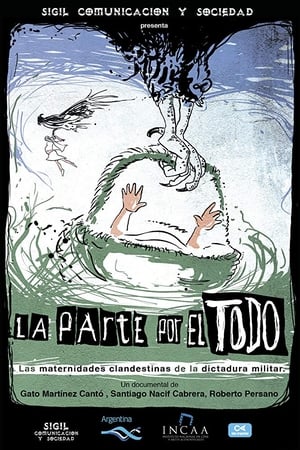
During the last argentine military dictatorship, the Army developed a systematic plan for the abduction of children, with maternity wards inside the clandestine detention centers. This film proposes itself as a trip to the truth "to bring to light the places where lots of babies saw the light for the first time"; Three restored children show the part for the whole :how a genocide was orchestrated,a scheme which planned the deprivation of identity of babies born in captivity, children of illegally kidnapped and detained women.
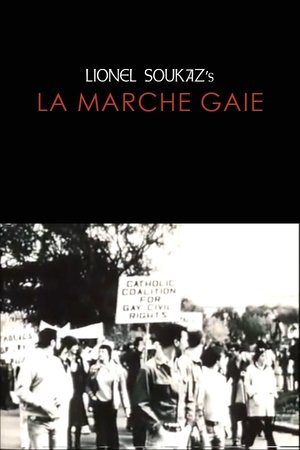
A short documentary about the October 14 1979 March For Lesbian And Gay Rights in Washington D.C.
In 2015, in Damascus, the Basateen al-Razi district and its orchards were razed to the ground as punishment for the population's uprising against the regime. Having lost everything, two former residents recall their neighborhood.
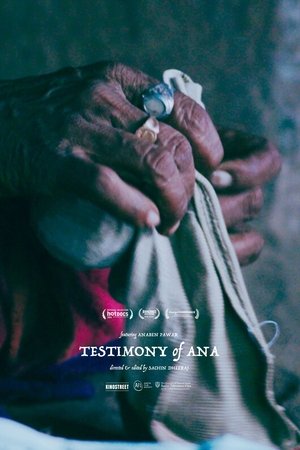
Anaben Pawar is an elderly tribal woman accused of witchcraft in rural India. Through Ana's story, we delve into a deep-rooted culture of patriarchy and examine one of the most monstrous attacks on women's bodies in modern India: the witch-hunt.
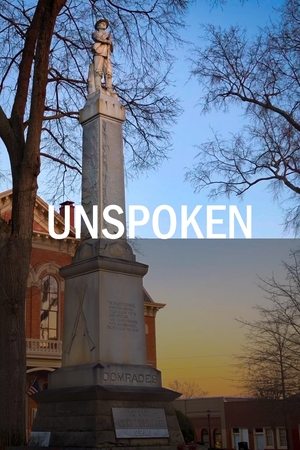
An intimate insider’s journey to uncover buried truths and explore how the community in Monroe, Georgia has been impacted by the 1946 quadruple lynching and decades of racial injustice, shattering a code of silence that has distanced neighbor from neighbor for generations.
Immigrant workers build a shopping mall for the upcoming 1972 Olympic Games in Munich. In 2016, nine people with migrant backgrounds are killed in a racist attack at the same mall.
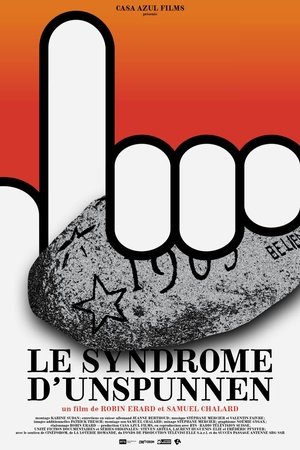
220 years after its "birth", 40 years after its theft, 22 years after its reappearance and 18 years after its second disappearance, two filmmakers follow the trail of the "unspeakable" Unspunnenstein.
How does a machine learn to read the world? Testimonies and screen recordings introduce the experience of online micro-workers from the Global South: their job is to teach the AI of self-driving cars to navigate the streets of the Global North.
Part travelogue and part sensitive investigation, the movie tells the universal story of people who refuse to be erased, reminding us that defending the Earth means defending life.
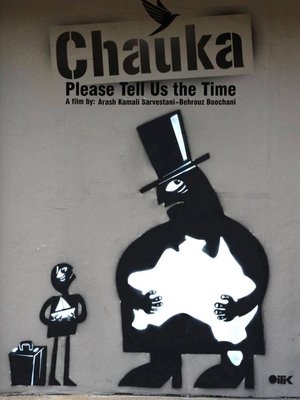
An urgent and powerful documentary, shot in a detention centre where asylum seekers trying to reach Australian shores are indefinitely detained. Secretly shot on a mobile phone by Iranian journalist Behrouz Boochani while detained on Manus, in Papua New Guinea, the film is a collaboration with Dutch-Iranian filmmaker Arash Kamali Sarvestani. Boochani recounts, via the testimonies of fellow inmates, the abuse and violence inflicted and the precarious state of limbo they find themselves in. Chauka, the name of the dreaded solitary confinement unit within the detention centre, was originally the name of a beautiful bird and symbol of the Manus Island. By interweaving dialogue with two Manusian men and shots of daily life on the island, the film gives a much-needed voice to Manus inhabitants, understandably distressed by the current situation. With marked restraint, the film exposes lives broken by shocking immigration policies.
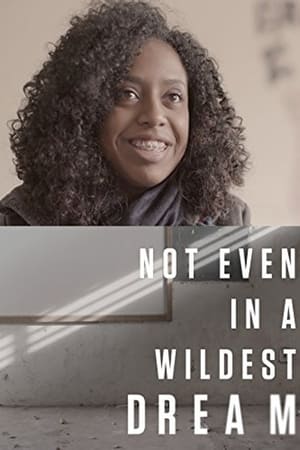
The challenges of the present, expectations for the future, and the dreams of those who experience the reality of public high school in Brazil. Through the voices of students, principals, teachers and experts, "Not Even In a Wildest Dream" offers a reflection on the value of education.
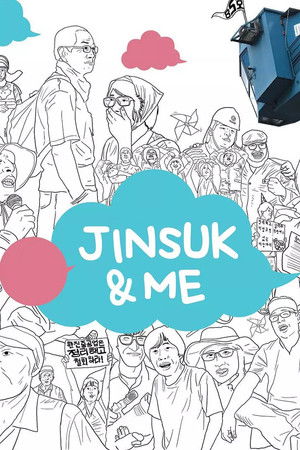
I have been pretty satisfied with my life before I got on the bus. When I do in June 2011, my whole life turns upside down. I am just a regular passenger at first. Like other people I was sorry, and felt obliged to help and care for other passengers. Then I begin to film these common heroes with my camera. Those who speak about hope, who provide it and get on the bus, Ms. Kim Jin-suk, and other crane laborers who risk their safety while demonstrating for their rights on high. She, while stationed insecurely on high, begins interacting with the world through Twitter and makes friends. Then I realize I really love her. Will we have her back safely?
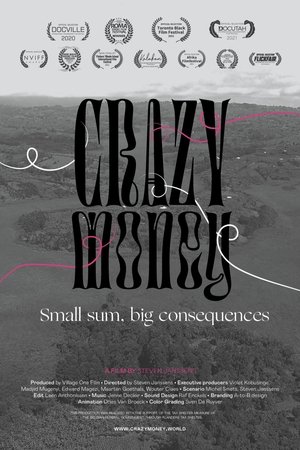
What is possible when we have guaranteed money to meet our basic needs? No requirements. No stipulations. No paybacks. We look to the village of Busibi to discover what’s possible when we give money directly to people. No strings attached. The answer lies in the residents’ personal stories. Their successes and tribulations illustrate the impact of one of the most daring projects in contemporary development cooperation. Their life stories unexpectedly prove to be all too familiar. They make us laugh. They move us. Blending in together, they create a colorful and poetic reality portrait, illustrating the big consequences of a small sum of money …
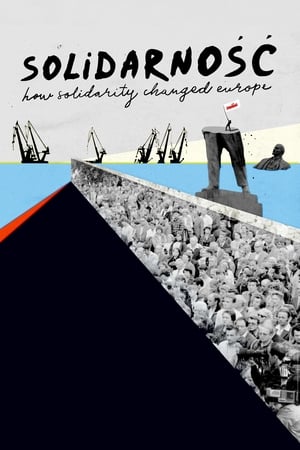
Gdańsk, Poland, September 1980. Lech Wałęsa and other Lenin shipyard workers found Solidarność (Solidarity), the first independent trade union behind the Iron Curtain. The long and hard battle to bring down communist dictatorship has begun.