Through concerts and interviews, folk-progressive group Harmonium takes Quebec culture to California. This documentary full of colour and sound, filmed in California in 1978, recounts the ups and downs of the journey of the Quebec musical group Harmonium, who came to feel the pulse of Americans and see if culture, their culture, can succeed in crossing borders.
The celebratory explosion of basketball history makers, legend shakers and lawbreakers; juxtaposed against important events in Civil & Human Rights. The 50 years of The Rucker's ripples reverberate throughout Basketball, Hip-Hop, Harlem, and life.
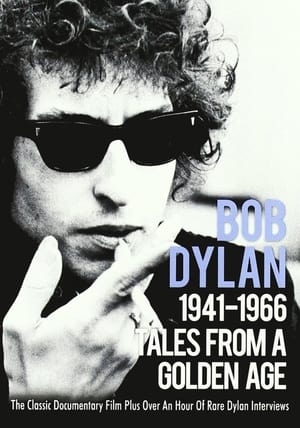
Tracing his career up to the point of his 1966 motorcycle accident and subsequent disappearance from the spotlight, this unauthorized documentary uncovers a side of Bob Dylan never revealed before. Includes extensive interviews and rare footage.
This documentary captures the sounds and images of a nearly forgotten era in film history when African American filmmakers and studios created “race movies” exclusively for black audiences. The best of these films attempted to counter the demeaning stereotypes of black Americans prevalent in the popular culture of the day. About 500 films were produced, yet only about 100 still exist. Filmmaking pioneers like Oscar Micheaux, the Noble brothers, and Spencer Williams, Jr. left a lasting influence on black filmmakers, and inspired generations of audiences who finally saw their own lives reflected on the silver screen.
A short film about Pete Seeger and the birth of banjo music throughout the Southern United States.
A biographical documentary on the life and career of U.S. Army General Colin Powell.
Chronicles the 50-year career of singer/songwriter Jean Ritchie, from Viper, Kentucky to the New York stage. Pete Seeger, Arlo Guthrie, and her family and friends in Eastern Kentucky are among those interviewed. A 1996 KET production.
Wirklich alles?!
Documentary about the blacklisted folk group The Weavers, and the events leading up to their triumphant return to Carnegie Hall.
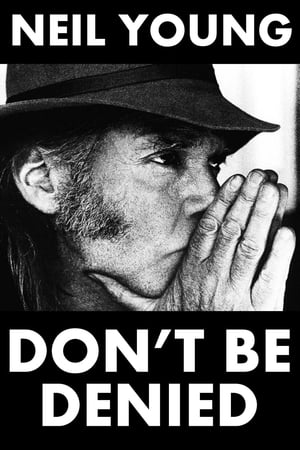
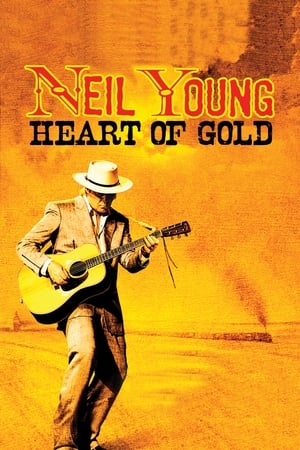
In March 2005, Neil Young was diagnosed with a brain aneurysm. Four days before he was scheduled for a lifesaving operation, he headed to Nashville, where he wrote and recorded the country folk album Prairie Wind with old friends and family members. After the successful operation and recovery period, he returned to Nashville that August to play at the famed Ryman Auditorium, once again gathering together friends and family for this special performance.
The history of warfare as it relates to global Black society, broken down into 7 chapters that examines the ways the system of racism wages warfare from a historical, psychological, sexual, biological, health, educational, and military perspective.
The story of Jack Johnson, the first African American Heavyweight boxing champion.
During a decade rife with paranoia, in the middle of the McCarthy era, Music Inn was a bold experiment. Halfway between the Second World War and The Civil Rights Movement, Phil and Stephanie Barber created an oasis in the Berkshire Hills in Western Massachusetts where aspiring musicians came to learn from the very best. Students and faculty, young and old, rich and poor, white, black, and brown convened together and learned from each other. Defying the surrounding environment, Music Inn harbored a racial and cultural harmony where music was all that mattered.
Latcho Drom is a vista of the music, culture, and journey of the Romani people—from their homeland of India, to Europe and Southwest Asia.
A look at the Black revolution in 1970s cinema, from genre films to social realism, from the making of new superstars to the craft of rising auteurs.
Crownsville Hospital: From Lunacy to Legacy is a feature-length documentary film highlighting the history of the Crownsville State Mental Hospital in Crownsville, MD.
A haven for Black intellectuals, artists and revolutionaries—and path of promise toward the American dream—Black colleges and universities have educated the architects of freedom movements and cultivated leaders in every field. They have been unapologetically Black for 150 years. For the first time ever, their story is told.
From his Memphis studio, Ernest Withers’ nearly 2 million images were a treasured record of Black history but his legacy was complicated by decades of secret FBI service revealed only after his death. Was he a friend of the civil rights community, or enemy—or both?
The life and times of The Carter Family, one of the earliest and most-influential group in American country and roots music.
Every American who has listened to the radio knows Guthrie's "This Land Is Your Land." The music of the folk singer/songwriter has been recorded by everyone from the Mormon Tabernacle Choir to U2. Originally blowing out of the Dust Bowl in Depression-era America, he blended vernacular, rural music and populism to give voice to millions of downtrodden citizens. Guthrie's music was politically leftist, uniquely patriotic and always inspirational.