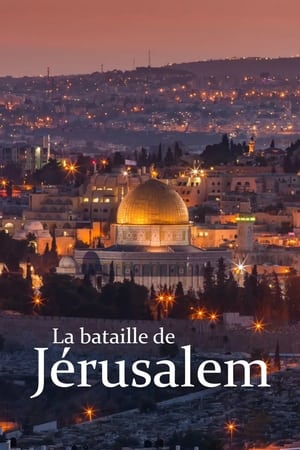
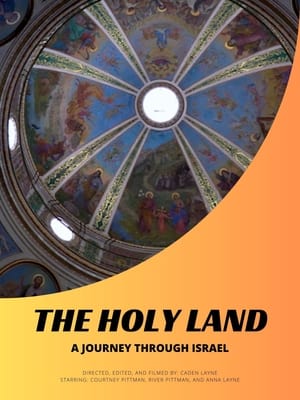
Part of a series of promotional films commissioned by Romania's National Tourism Office in the early 1970s with the aim of reconnecting diasporic communities with the country they left behind. In this case, the film is addressed to Jews who emigrated in the context of the Second World War or were sold by the Romanian state to the State of Israel starting in the 50s and settled in Israel and the USA - therefore, a target group made up of seniors, probably retired , possibly prosperous, eager to revisit the places of youth and willing to forget, temporarily, the traumas associated with them.
An Israeli film director interviews fellow veterans of the 1982 invasion of Lebanon to reconstruct his own memories of his term of service in that conflict.
Archival film maestro Göran Hugo Olsson has assembled—from a vast catalogue of footage in the vaults of Sweden’s national television service SVT—accounts of the Israeli-Palestinian conflict as witnessed and represented by Swedish journalists. Stories of the beginning of the Israeli state interwoven with the Palestinian struggle for independence. News coverage with Yasser Arafat and interviews with Israeli foreign minister Abba Eban during a visit to Sweden unseen since first broadcast. From the tenth anniversary of Israel’s founding to the First Intifada, perspectives and encounters with statesmen, civilians, revolutionaries, and intellectuals tell the story from myriad angles of an evolving media landscape, revivifying a history of the ongoing conflict.
Gaza Fights for Freedom depicts the ongoing Great March of Return protests in the Gaza Strip, occupied Palestine, that began in 2018.
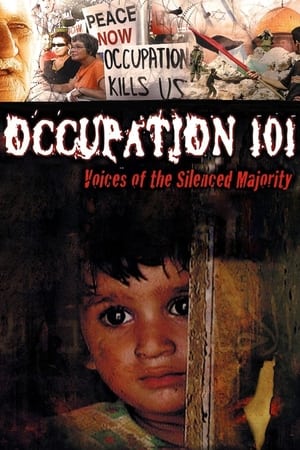
Over the past few years, Israel's ongoing military occupation of Palestinian territory and repeated invasions of the Gaza strip have triggered a fierce backlash against Israeli policies virtually everywhere in the world—except the United States. This documentary takes an eye-opening look at this critical exception, zeroing in on pro-Israel public relations efforts within the U.S.
How US politicians and diplomats, over the past 25 years, have come close to achieving something almost impossible: securing peace between the State of Israel and its Arab and like-minded neighbors, mired in a struggle both dialectical and violent since the early 20th century, due to historical and religious reasons, entrenched offenses and prejudices, and the invisible and tyrannical hand of third countries' geopolitical interests in the area.
Produced by CBN Documentaries and Biblical Productions, "In Our Hands" tells the story of the Battle of Jerusalem in the Six-Day War through the eyes of the IDF's 55th Paratrooper Brigade
A film diary in which Perlov films the minutiae of his and his family's day-to-day life. From these small bits, he builds up a broad picture of life in Israel in the '70s and '80s.
Intent on shaking up the ultimate 'sacred cow' for Jews, Israeli director Yoav Shamir embarks on a provocative - and at times irreverent - quest to answer the question, "What is anti-Semitism today?"
The main characters of the film have made choices, which change their lives forever. A young man Yigal Amir assassinates the Prime Minister of Israel and becomes the most hated prisoner in the country. Larissa, who emigrated from Russia, mother of four divorces her first husband, marries the assassin and gives birth to his son. For many years the film authors have been trying to solve and perceive this complicated story. One of them, Hertz Frank, passes away during the shootings remaining on the threshold of the eternal mystery - life, death and love...
Grandfather and retired Israeli general Noam Tibon rescues his family from Hamas terrorists invading their home during the October 7, 2023 massacre - a coordinated assault on Israel sparking an ongoing conflict.
It's war. War against an invisible enemy that is not as deadly as we are told. The world is changing rapidly. Disproportionate measures are taken worldwide that disrupt society as a whole. A dichotomy in society forced vaccinations and restrictions on freedom. Have we had the worst? Or is there something more disturbing to awaiting us.
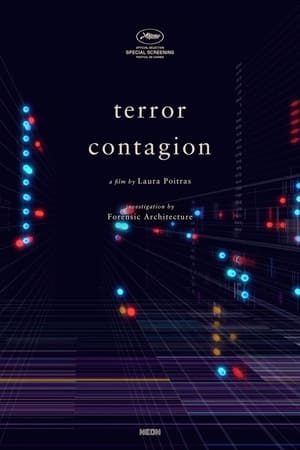
A visual study of the investigation by Forensic Architecture into the Israeli cyberweapons manufacturer NSO Group and the use of its Pegasus malware to target journalists and human rights defenders worldwide.
An examination of Israel and its society after many months of war, seen initially through the prism of viral social media posts - and exclusive interviews with the soldiers behind them. These posts, some shared millions of times, show soldiers humiliating bound Palestinians, ransacking their homes, joking as they detonate schools and whole districts, and laughing as they launch high explosive ordnance into densely-packed areas. The award-winning team behind this Basement Films production traveled to Israel to interview some of these soldiers, who proudly defended themselves and their videos, some expressing callous disregard for Palestinians in Gaza. Through additional interviews with Israeli radical groups, politicians, and media figures, the film reveals Israeli Jewish society in the aftermath of October 7th, gripped by a vengeance and hate that puts into question any possibility for peace.
When many people think of Israel, it is often in terms of modern war or ancient religion. But there is much more to the Jewish state then missiles and prayers. In his debut as a documentary filmmaker, adult-film entrepreneur and political columnist Michael Lucas examines a side of Israel that is too often overlooked: its thriving gay community. Undressing Israel features interviews with a diverse range of local men, including a gay member of Israel's parliament, a trainer who served openly in the army, a young Arab-Israeli journalist, and a pair of dads raising their kids. Lucas also visits Tel Aviv's vibrant nightlife scene-and a same-sex wedding-in this guided tour to a country that emerged as a pioneer for gay integration and equality.
How mass protests on the Israel-Gaza border led to one of the deadliest days in a generation. One year later, a moment-by-moment investigation, drawing on exclusive interviews in Gaza and Israel and videos of the protests and bloodshed.
Interviews with the owners and diverse patrons of a Jerusalem gay bar called "Shushan."
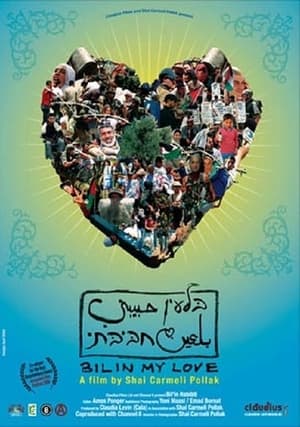
The Israeli filmmaker Shai Corneli Polak records the building of the 'security wall' through Palestinian territory at the village of Bil'in. The villagers protest mostly peacefully, while the Israeli army doesn't react peacefully. By now the Israeli High Court has ruled that the building of the wall was illegal.
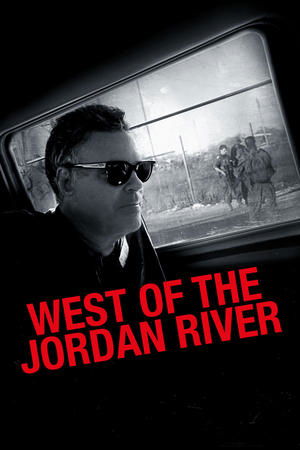
Amos Gitai returns to the occupied territories for the first time since his 1982 documentary FIELD DIARY. WEST OF THE JORDAN RIVER describes the efforts of citizens, Israelis and Palestinians, who are trying to overcome the consequences of occupation. Gitai's film shows the human ties woven by the military, human rights activists, journalists, mourning mothers and even Jewish settlers. Faced with the failure of politics to solve the occupation issue, these men and women rise and act in the name of their civic consciousness. This human energy is a proposal for long overdue change.
Amid the ruins of northern Gaza, Ibrahim clings to the only companion he has left: Farfour, a stray cat he adopted during the war. Farfour has become more than just a pet for Ibrahim. He has turned into his shadow, his confidant, his last connection to humanity. Together, Ibrahim and Farfour navigate a collapsing world, enduring a relentless siege while living in an unsafe building, with no water and electricity. As the war tightens its grip, Ibrahim must flee.