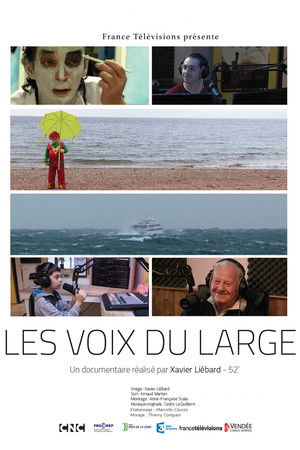
Les Voix du Large
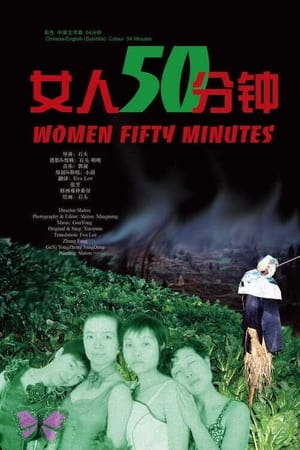
A representation of queer and feminist imagery that was mainly shot in the Qinghai-Tibetan Plateau, remote and developing areas in southwest China, and metropolitan cities like Beijing from 2000 to 2004 to document the social changes in contemporary China. The director sympathetically and erotically represents a variety of women, including women as laborers, women as prayers, women in the ground, women in marriage, and women who lie on the funeral pyre with their dead husbands. Her camera juxtaposes the mountains and rivers in old times, the commercialized handicrafts as exposition, the capital exploitation of the elders’ living space, and the erotic freedom of the young people in a changing city.
Les doléances
Soms. Elles i Beget
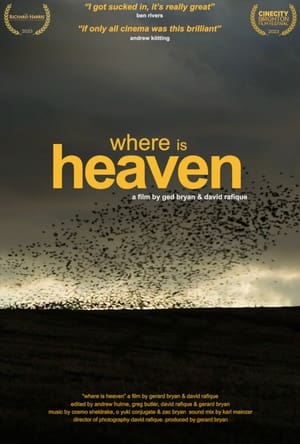
Maverick soulmates Ged and Dave are on a mission through the winding lanes and hidden tracks of North Devon, to record the lives and experiences of people living without mains electricity.
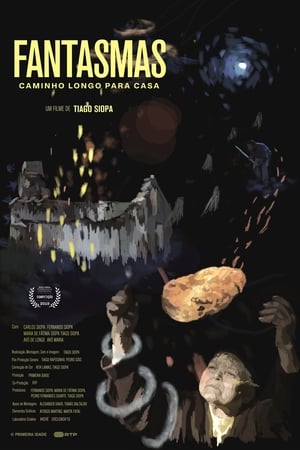
After a spell cast by Grandma Faraway, the oldest son of a small family encounters the ghost of his late Grandma Maria still living in her old house, and they chat as they used to.
A surreal, abstract memoir of Joe Bini's life as a film editor and storyteller, presented as a live cinema experience for one audience member at a time.
A cinematic journey through the world. Non-verbal.
A man reads a letter from his away girlfriend while he contemplates on some memorable places in Jakarta, where they had spent time together.
The desert city of Las Vegas embodies the American Dream in its most extreme form. Turbo-capitalism and gigantic shows are a magnet for gamblers and adventurers. Since its founding, Las Vegas has developed into a global entertainment center, attracting millions of people and generating billions of dollars in revenue. From a dusty backwater, it has become a glittering gambling metropolis.
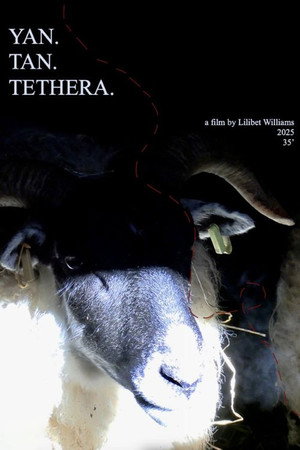
Sheep flocks in the Lake District are ‘hefted’ to the fell - over time they developed an instinct to remain on a patch of land. Through intimate engagement with the process of craftsmen (farmers and people who create with wool), we learn/reflect on the ways in which they too are 'hefted' to the land.
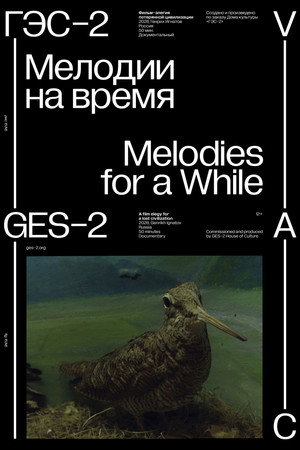
The main protagonists of this slow-paced film are abandoned or suspended spaces associated with the production, distribution, and viewing of cinema in various localities across North Ossetia. The discussion of the decline of the film industry also serves as a way of pointing to the ambiguous position in which the progressive modernist project found itself in the late twentieth and early twenty-first centuries. Ignatov proposes poetic ways of establishing new relations with this project in response to the need to reinvent the links between past and future. The abandoned spaces are brought to life by two visiting musicians playing the uadynz, traditional Ossetian flutes.
A dark formless body moves . Formlessness of an entity is because a constant change in form is perceived as formless
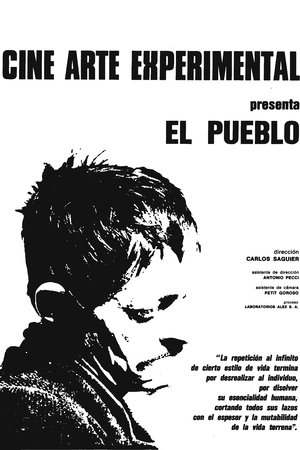
An experimental film, a register of the peculiarities of life in rural Paraguay.
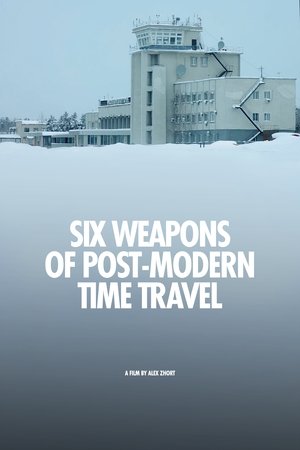
Somewhere in stoic, rural Russia, at the edge of mapped time and memory, a snowbound airport idles in stillness. Six Weapons of Post-Modern Time Travel indifferently observes as time stretches beyond the runways. Absence hums under old fluorescent lights as the ordinary turns spectral. This film documents the weight of a place coming to terms with silence, holding it's breath as departures have outlived arrivals.
Esperanza and Teodula are calling for justice in rural Peru, part of 300,000 people sterilised without consent more than 18 years ago. The Quipu Project is their phone line that allows the affected across the country to share their shocking testimonies and ensure those responsible are punished.
A day in the life of a waitress/webcam model as she serves customers, deals with the world around her, and remembers why she does all of it in the first place.
Two days in the life of the director and his two friends -filled of art, nature, boredom and joviality- in their birthplace: Sicily.
County Magistrate, County Magistrate depicts a collective migration unfolding in an indeterminate time and place. Men, women, and children from a village move through mountains as the sky gradually grows dark, walking resolutely into the distance until they arrive at a new settlement. The abandoned courtyards they leave behind still bear traces of daily life: a steaming kettle, unfinished bowls of food, an old television flickering with static, and worn-out pieces of furniture. The camera then slowly pans to an outdoor movie screen showing After Armistice, a black-and-white film released in 1962. In the film, a man draws a business card from his pocket and introduces himself as Xianghe’s newly appointed county magistrate. At this moment, the story slips into another layer of fictional time and space.
Entre lo doloroso y lo inalcanzable