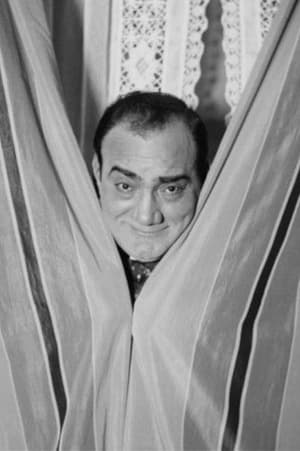
Born in 1873 in a poor neighbourhood in Naples, Enrico Caruso conquered the world with his singing voice. At the age of 27 he got a contract at the Scala in Milan, and his already considerable popularity skyrocketed thanks to the invention of the gramophone. He sold millions of records, and garnered international acclaim. In 1903 he moved to New York to perform at the prestigious Metropolitan Opera, in the role of Radames. But his riches and fame attracted the attention of the Mafia, who started blackmailing him. He felt trapped by his fame and died at just 48 years old. Biographer Francesco Canessa, the music critic Jürgen Kesting and the composer Micha Hamel explain the ups and downs of the man behind the timeless Italian voice.
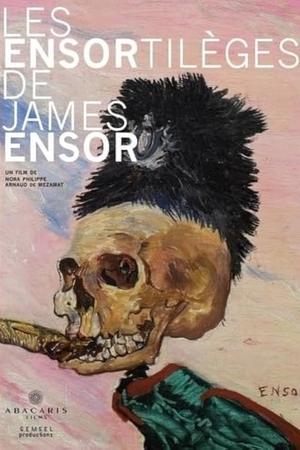
This film explains what James Ensor (1860-1949) meant for the development of art and makes palpable where he got his inspiration from.
The decision to move to Holland doesn't sound like a wise idea. Why move to a country that could be flooded at any moment? For the last 25 years, the political climate has shifted. The public debate on migration has become harsher, more heated, and polarized. What would have been considered right-wing xenophobia back then, is now considered mainstream. Populists simplify complex realities into good and evil, victims and perpetrators: ‘us’ versus ‘them’. Their rhetoric often consists of dehumanizing words and metaphors. One of these is ‘water’. In reality, water is not an immediate threat to the average Dutch person; but it is a huge threat to the thousands trying to reach the Netherlands. People trying to survive the Mediterranean Sea in rubber boats. Trying to survive winter on the Aegean coast in primitive tents. To them, water really is deadly.
In subarctic Norway in a storm the sun projects shadows of clouds on a mountain forest.
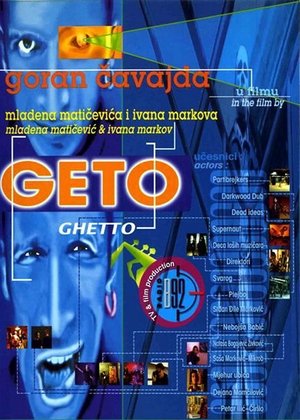
Belgrade in the 1990s seen through the eyes of Goran Čavajda 'Čavke', the late drummer of Serbian rock band "Electric Orgasm". Under dictatorship of Slobodan Milošević, his city became one of the worst places to live in Europe, while the country suffered highest inflation rate in its history, accompanied by mass poverty and political isolation. Documentary follows Čavke walking through the Belgrade streets where total chaos and decline of moral values rule. He finds his only shelter underground, where his friends - musicians and artists - live and work invisibly.
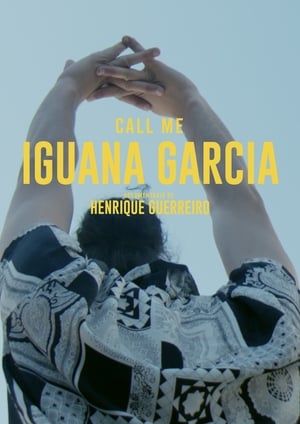
A documentary about Iguana Garcia, a Lisbon musician, where we get to know João, the man behind the name, who embodies one of the most promising growing musicians in the world of Portuguese national music. In a personal and intimate phone call, we get to know him without barriers and all his history to this day.
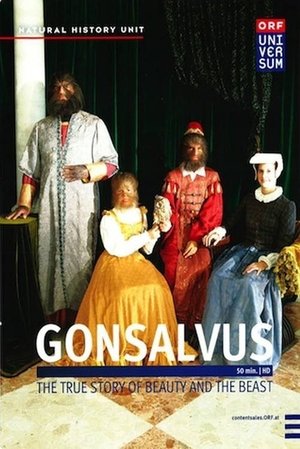
It's a condition known as "hypertrichosis" or "Ambras Syndrome," but in the 1500s it would transform one man into a national sensation and iconic fairy-tale character. His name: Petrus Gonsalvus, more commonly known today as the hairy hero of Beauty and the Beast.
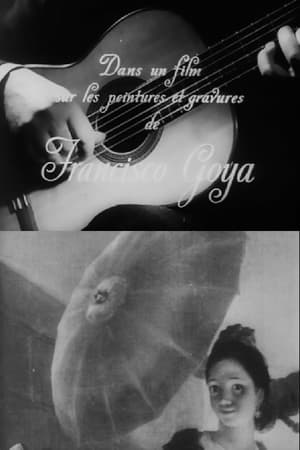
Presents life in 18th century Spain as the painter Francisco de Goya showed it to us.
After two failed presidential campaigns, learn how Joe Biden overcame losses, controversies, and corruption scandals to finally take the oval office.
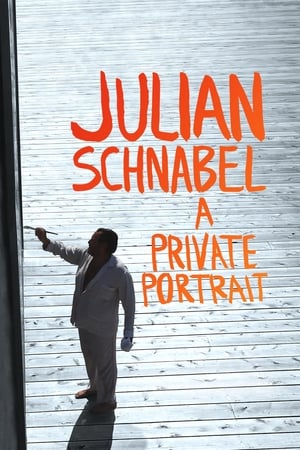
A chronicle of the personal life and public career of the celebrated artist and filmmaker Julian Schnabel.
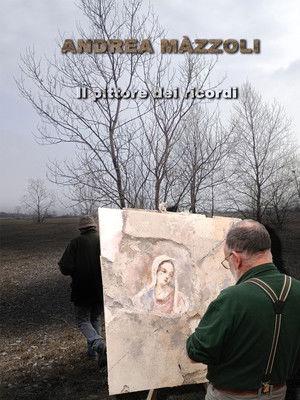
Andrea Màzzoli Il pittore dei ricordi
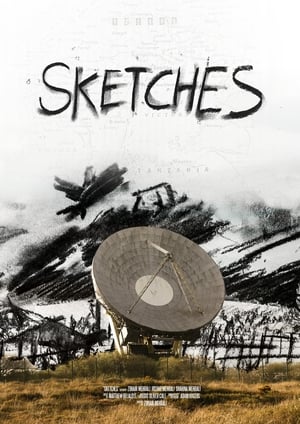
A British artist misses his parents' wedding anniversary for a last-minute sketching commission in Cornwall, but memories of them affect his work along the way.
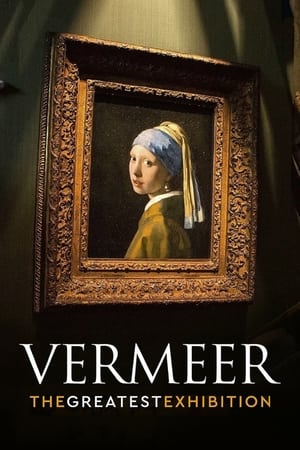
With loans from across the world, this major retrospective will bring together Vermeer’s most famous masterpieces including Girl with a Pearl Earring, The Geographer, The Milkmaid, The Little Street, Lady Writing a Letter with her Maid, and Woman Holding a Balance. This film invites audiences to a private view of the exhibition, accompanied by the director of the Rijksmuseum and the curator of the show.
A great traveller always in search of light, Henri Matisse criss-crossed the world, from Morocco to Tahiti, to draw inspiration from far off lands. His travels were reflected in his art, often years later in their mood, colour, or composition. This documentary shows how Matisse’s many trips are crucial to understanding him as an artist.
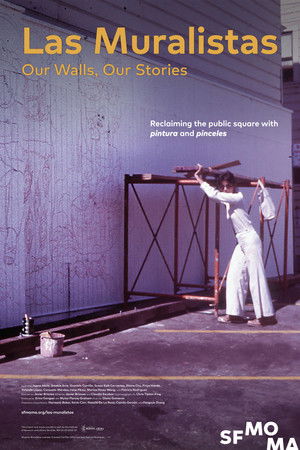
Las Muralistas features women muralists whose works cover the walls of San Francisco’s Mission District. The muralism movement that emerged in the 1970s in the Mission District marked the beginning of a tradition of activism, expression, and community building through public art.
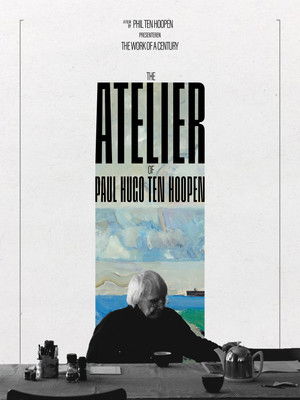
Paul Hugo ten Hoopen, the 98-year-old Amsterdam painter, delves into his childhood, education, and past artworks, while exploring his philosophy on the creation of art itself. Paul’s story brings out the perspective of a professional in his field. He urges new artists to find their own voice – their own colours – to be as original as possible.
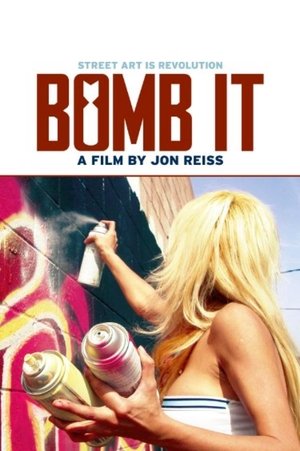
Through interviews and guerilla footage of graffiti writers in action on five continents, the documentary tells the story of graffiti from its origins in prehistoric cave paintings thru its notorious explosion in New York City during the 70’s and 80’s, then follows the flames as they paint the globe.
In 2003, eight Rhode Islanders created a secret apartment inside a busy mall and lived there for four years, filming everything along the way. Far more than a prank, the secret apartment became a deeply meaningful place for all involved.
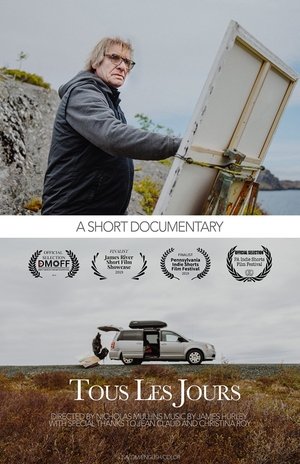
In rocky Newfoundland, renowned French artist Jean Claude Roy gathers his paints and sets off to face the day. Whether it be freezing snow, violent wind, or pouring rain, he commits vibrant colors to canvas and conquers the day by weaving crooked beauty out of difficulties.
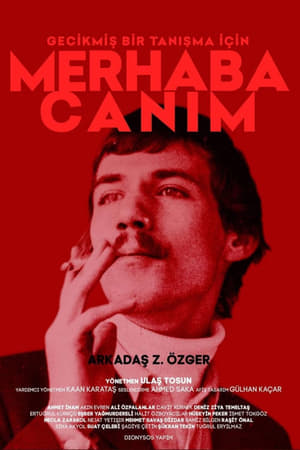
The documentary is titled after Arkadaş Z. Özger’s poem “Hello My Dear” which had caused much controversy in the period it was first published. Considered to be in defiance of heteronormativity, the said poem includes references to the poet’s personality, his family, his relationship to the society, and his “unexpected” death, which came three years after its publication. Today, 50 years after it was written, the documentary follows these same lines in the poem utilising cinematic elements. The documentary also rediscovers the poetics; reaches out to the family, the comrades, the friendships, departing from the official historical accounts, cognizant of his experience of otherness, in pursuit of the “lost” portrait of Arkadaş Z. Özger.