The real life story of the events surrounding the fight for and against public housing and racial integration in Yonkers, New York in the 1980s as portrayed in the HBO miniseries Show Me a Hero.
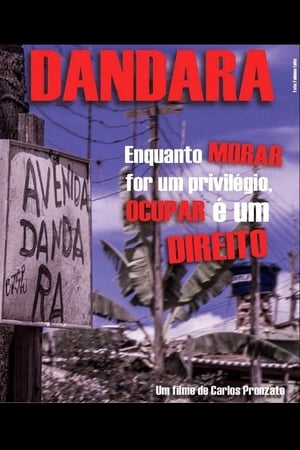
Dandara: Enquanto Morar for um Privilégio, Ocupar é um Direito
This Rose will forever be Chicago Red.
via print and film, love and music, state propaganda and people's archives, five-year plans and Emergency.
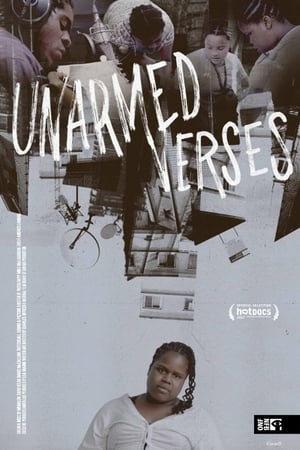
Toronto filmmaker Charles Officer profiles the young people of Villaways Park, a housing project on brink of historic change.
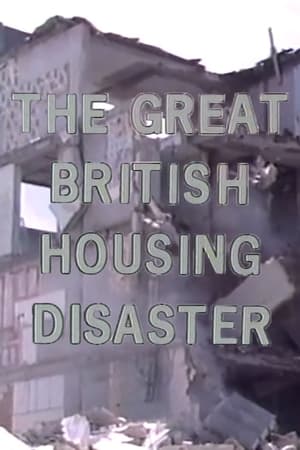
David Jones investigates how 1960s council housing came to be built so poorly that thousands later needed to be demolished.
A short documentary exploring the UK’s 1970s approach to urban renewal through General Improvement Areas. Mixing location footage from Blackburn, Norwich, and Oxford with unexpectedly quirky presentation, the film contrasts small-scale housing improvements with the sweeping redevelopment schemes of the post-war era. Produced as a government public information film and shown at meetings between planners, architects, and residents, it stands as a modest, humane entry in Britain’s civic-minded documentary tradition.
Vita di borgata
Cronache dell'eternità
An anti-littering public service announcement from the Chicago Park District
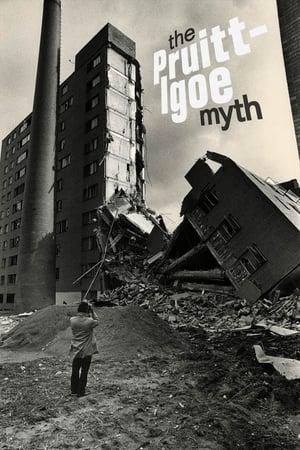
Destroyed in a dramatic and highly-publicized implosion, the Pruitt-Igoe public housing complex has become a widespread symbol of failure amongst architects, politicians and policy makers. The Pruitt-Igoe Myth explores the social, economic and legislative issues that led to the decline of conventional public housing in America, and the city centers in which they resided, while tracing the personal and poignant narratives of several of the project's residents. In the post-War years, the American city changed in ways that made it unrecognizable from a generation earlier, privileging some and leaving others in its wake. The next time the city changes, remember Pruitt-Igoe.
In the wake of the assassination of Martin Luther King in 1968, chaos erupted on Chicago’s West Side. Grief turned into anger as protests, riots, looting, and fires consumed some neighborhoods. Audio-narrated descriptions of key visual elements are available.
Amidst the ivy-draped remnants of once-notorious public housing projects, FOR THOSE THAT LIVED THERE weaves a visual tapestry, navigating the poignant impacts of gentrification, the displacement of Black legacies, and the emergent migrant narratives. Against Chicago's ever-evolving skyline, this evocative exploration immerses audiences into the soul of a neighborhood transformed.
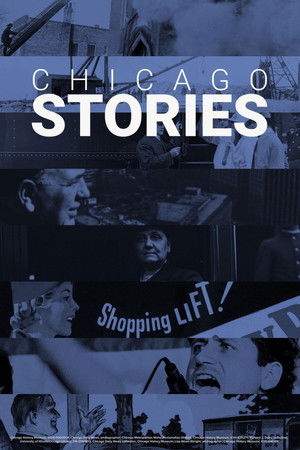
Chicago mayor Richard J. “Boss” Daley had a lofty vision for Chicago’s downtown. Over the course of his 21 years in office, Daley’s ambitious urban renewal initiatives were the foundation of the city’s infrastructure and at the same time displaced the poor and people of color while perpetuating racial segregation. Audio-narrated descriptions are available.
A 1975 documentary short about a strike being conducted by public-housing residents in St. Louis.
This documentary presents a before-and-after picture of people in a large-scale public housing project in Toronto. Due to a housing shortage, they were forced to live in squalid, dingy flats and ramshackle dwellings on a crowded street in Regent Park North; now they have access to new, modern housing developments designed to offer them privacy, light and space.
We are in a housing crisis. We urgently need new ideas. Step forward… We Can Make. We are taken to Knowle West, South Bristol, a 100-year-old council-built estate and one of the most deprived areas in Europe. The spirit in the neighbourhood is unbroken though and this community are taking a different route to affordable housing.
Just a stone’s throw from downtown Montreal is the largest social housing complex in Quebec. Built in 1959 where the red-light district used to be, Les Habitations Jeanne-Mance have retained something of the area’s seedy reputation for poverty, prostitution, drugs and violence. But who really knows the projects and the people who live there? Delving beneath the prejudices and stereotypes, director Isabelle Longtin ventured inside the buildings and met the residents.
In buildings where foreign workers lived in Germany, there were strict rules of conduct, defined by the house rules and supervised by the building superintendents. Many rights regarding the freedom of movement, communication and behavior were abused. Interviews with the tenants and with the "orderlies" which point out absurd situations and clashes caused by these restrictions.
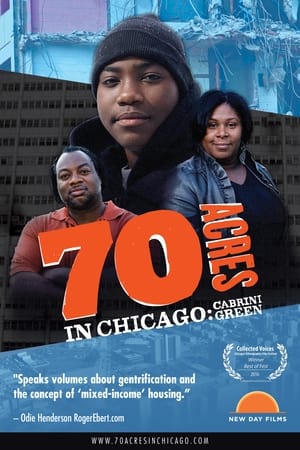
Documenting the demolition of Cabrini Green, Chicago's most infamous public housing development, through the stories of three public housing residents whose lives are turned upside down in the name of progress.