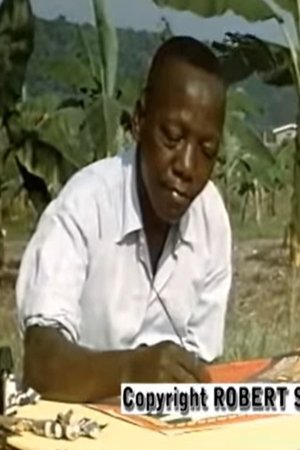
Clément-Marie Biazin, peintre-conteur africain
Romantic art was a response to the social upheavals of the 19th century, as shown by works by its emblematic painters Friedrich, Venetsianov and Delacroix.
One of the 20th century Belgian artists who was the most idolized, exhibited, published, sold... Yet the artist himself, Jean-Michel Folon (1934-2005), whose work became controversial because deemed insipid, with its mannerisms, pastel tones and colors, remains little-known. Through previously unseen archive footage, Gaëtan de Saint-Rémy offers him a voice.
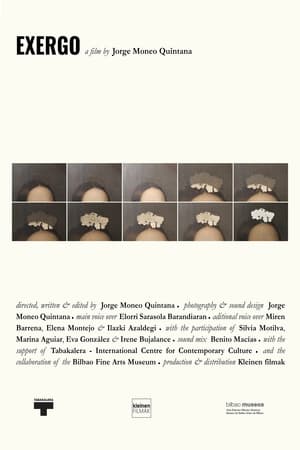
Departing from peripheral details of some paintings of the Bilbao Fine Arts Museum, a female narrator unravels several stories related to the economic, social and psychological conditions of past and current artists.
In 1906, Georges Braque and Pablo Picasso were 24 and 25 years old. The Butte Montmartre is their Parisian sanctuary where artists in need of recognition meet. Braque and Picasso become friends to the point of never leaving each other. For the moment, their paintings do not interest many people; only Apollinaire, then aged 26, and the young gallery owner Daniel-Henry Kahnweiler, 22, saw immense potential in them. And in addition to their passion for painting, these four inseparable boys share the same appetite for modernity. Collages, diversions of materials and geometrization of forms: cubism opened the way to abstraction. A revolution initiated by Picasso and Braque, which profoundly changed the course of the history of modern art.
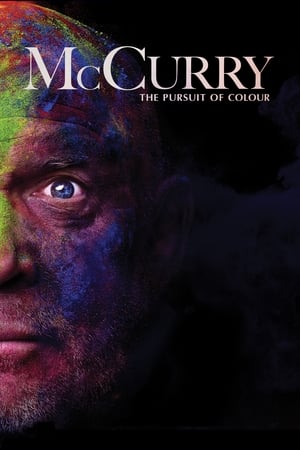
If something of import has taken place in our lifetimes, chances are that Steve McCurry has photographed it, from the wars in the Arab world to the 9/11 attacks. Denis Delestrac’s documentary on the photographer charts McCurry’s journey through a restless life spent on constant move, chronicling our times and living with the intense loneliness and trauma that came along with his work. Today, surrounded by a loving family, McCurry is finally home but never not in the pursuit of color.
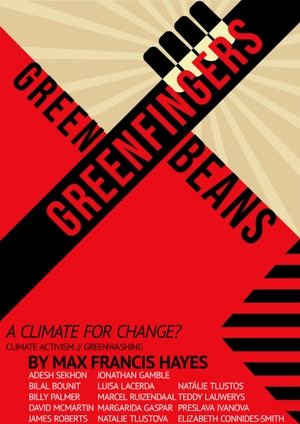
Following fateful scientific reports, protestors pose the argument for a better future against the vested interest of industry. Small to large, individual to collective, where do I fit into this?
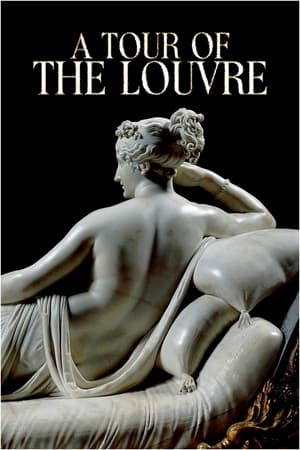
The tumultuous history of the Louvre Museum, founded in 1793, and its fabulous art collections, an immortal testimony to the destiny of France and all of Europe.
Spoliation nazie : Trois Chefs d'œuvre miraculés
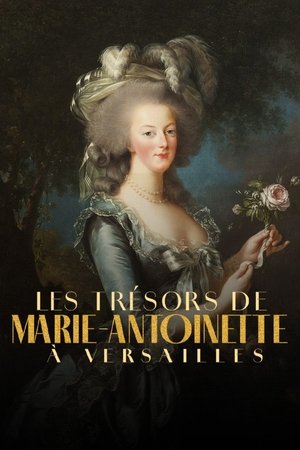
Over time, Queen Marie-Antoinette, who was the most hated woman of her time, experienced a spectacular return to favor. Today, historians and curators show another character: an independent and loving woman in constant search of intimacy who knew how to keep her secrets; a woman with refined, feminine and modern taste who marked her time. At Versailles, in this sublime setting cut off from the world where she barricaded herself, Marie-Antoinette cultivated her own style and influenced, throughout Europe, the tastes of her time.
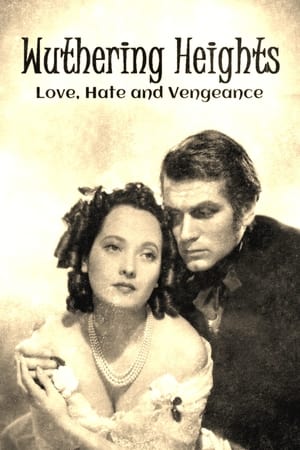
In 1847, British writer Emily Brontë (1818-48), perhaps the most enigmatic of the three Brontë sisters, published her novel Wuthering Heights, a dark romance set in the desolation of the moors, a unique work of early Victorian literature that stunned contemporary critics.
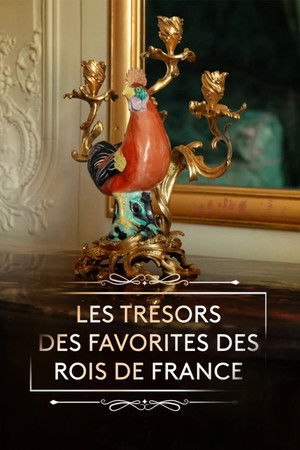
Les trésors des favorites des rois de France
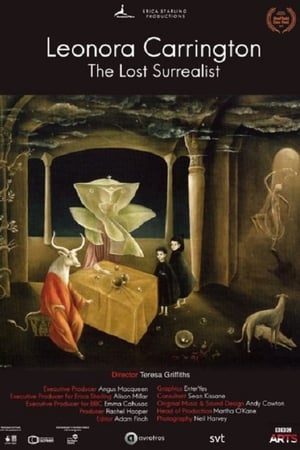
British surrealist Leonora Carrington was a key part of the surrealist movement during its heyday in Paris and yet, until recently, remained a virtual unknown in the country of her birth. This film explores her dramatic evolution from British debutante to artist in exile, living out her days in Mexico City, and takes us on a journey into her darkly strange and cinematic world.
Entretempos, Entremeios
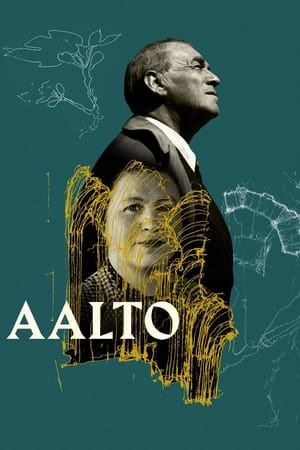
Aalto is one of the greatest names in modern architecture and design, Aino and Alvar Aalto gave their signature to iconic Scandic design. The first cinematic portrait of their life love story is an enchanting journey of their creations and influence around the world.
BENE! Vita di Carmelo, la macchina attoriale
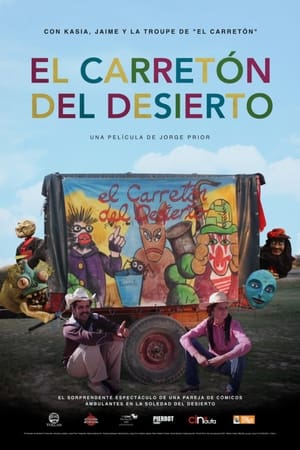
A couple of artists travels through the Mexico desert to present their puppet show.
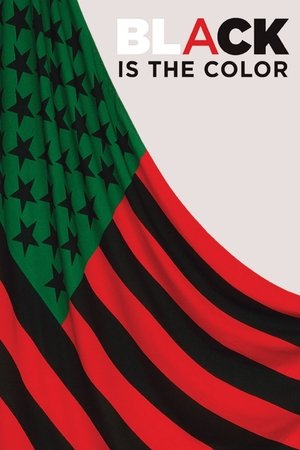
Black Is the Color highlights key moments in the history of Black visual art, from Edmonds Lewis’s 1867 sculpture Forever Free, to the work of contemporary artists such as Whitfield Lovell, Kerry James Marshall, Ellen Gallagher, and Jean-Michel Basquiat. Art historians and gallery owners place the works in context, setting them against the larger social contexts of Jim Crow, WWI, the civil rights movement and the racism of the Reagan era, while contemporary artists discuss individual works by their forerunners and their ongoing influence.
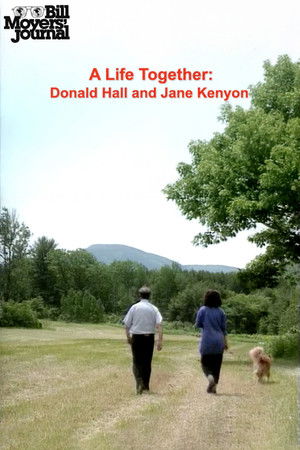
Performance and conversation with husband-and-wife poets Donald Hall and Jane Kenyon at a New Jersey festival, in their Wilmot, NH hometown and their Eagle Pond farmhouse.
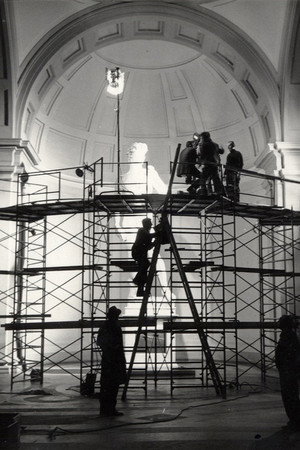
“This film is a reading and critical analysis of Michelangelo’s artistic language compiled with the visual language of cinema.”