A breath of eccentricity and folklore follows an iconic and eccentric character, known to some as Macho Ratón. The story goes back to the childhood of a blue-eyed boy who finds an ancient mask, which grants him amazing abilities. Through a life filled with ridiculous and cunning situations, we see how the boy becomes a legendary old man who uses humor and magic as his greatest weapons.
Agüizotes: El despertar de la Carreta Nagua
Agüizotes: El despertar de la Cegua
Agüizotes: El despertar de la Bruja de la laguna
DREAMING NICARAGUA is a film about HOPE. It's about love for the dignity and courage of the human spirit that, even immersed in uttermost tragic conditions, fights for a better life, and in this case, with a friendly SMILE. DREAMING is a sensitive and lyrical portrayal of four children living in extreme poverty in Nicaragua. The film takes us beyond their hardships and gives voice to the youngsters, who are surprisingly funny, hopeful, and optimistic. A traveling art teacher provides a safe arena for our four unlikely protagonists to express their innermost thoughts. When painting, the kids momentarily escape the stresses of their reality into a world of dreams and ideas, a stark contrast to their lives outside: a vicious cycle of hunger, child labor, and violence. Despite the extreme circumstances, the children and their families face their lives with an inspiring unity, strength and humor.
Two young Nicaraguan children, Saslaya and her mute brother Dario, must travel to Costa Rica to find their long-lost mother.
A Glasgow man visits war-torn Nicaragua with a refugee tormented by her memories.
American resort developers bear down on the wild west coast of Nicaragua, hoping to build the next tourist paradise. With lax labour and environmental regulations, some of the developers take full advantage of the situation, and the local fishermen start accusing them of exploitation and land thievery. Unexpectedly, in the midst of this conflict, firebrand Daniel Ortega and the Sandinistas sweep back into government, boldly empowering the local fishermen. The tables turn viciously on the American developers, who get much more than they bargained for. But when the local fishermen, corrupted by new found power, begin acting in the same manner as the American developers, questions are posed about human nature, morality, and ethics on a much larger scale.
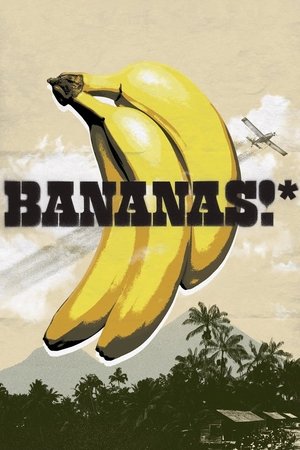
Juan “Accidentes” Dominguez is on his biggest case ever. On behalf of twelve Nicaraguan banana workers he is tackling Dole Food in a ground-breaking legal battle for their use of a banned pesticide that was known by the company to cause sterility. Can he beat the giant, or will the corporation get away with it?
When the revolution in Nicaragua won its victory nearly 40 years ago, the world began to dream. A young generation was taking the reins in a country of grand utopias. From West Germany alone, 15,000 “brigadists” travelled to help rebuild the war-torn country: liberals, greens, unionists, social democrats, leftists and church representatives harvested coffee and cotton, built schools, kindergartens and hospital wards. No movement has mobilised so many people. What became of the hopes and dreams of the revolutionaries and their supporters?
Sixteen female sex workers have been named judicial aides by Nicaragua’s Supreme Court to facilitate the resolution of conflicts that come up in their work. It is the first time in the world that sex workers have had access to this function. The film accompanies some of these women in their mediation work and in the actions they promote through their association, Girasoles (Sunflowers) of Nicaragua, to gain recognition and regulations for autonomous sex work.
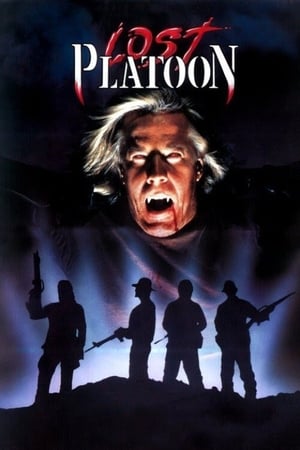
An American reporter covering a civil war in Nicaragua discovers that four soldiers that he used to know during World War II are there and they are actual vampires fighting their own personal war against an evil Nicaraguan general and his own personal army of vampires terrorizing the country.
William Walker and his mercenary corps enter Nicaragua in the middle of the 19th century in order to install a new government by a coup d'etat.
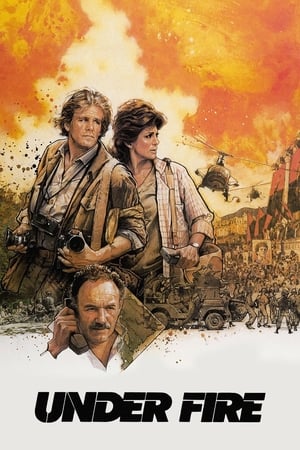
Three U.S. journalists get too close to one another and their work in 1979 Nicaragua.
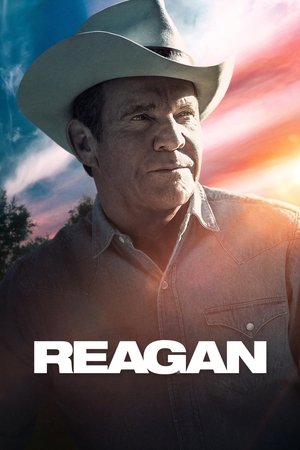
Told through the voice of former KGB agent Viktor Petrovich, whose life becomes inextricably linked with Ronald Reagan's when Reagan first caught the Soviets’ attention as an actor in Hollywood, Reagan overcomes the odds to become the 40th president of the United States.
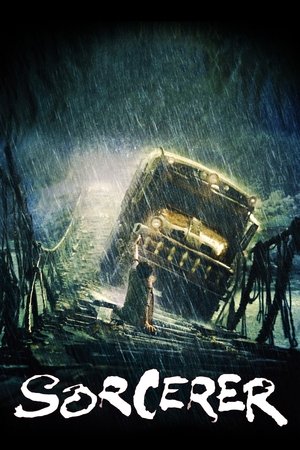
Four men from different parts of the globe, all hiding from their pasts in the same remote South American town, agree to risk their lives transporting several cases of dynamite (which is so old that it is dripping unstable nitroglycerin) across dangerous jungle terrain.
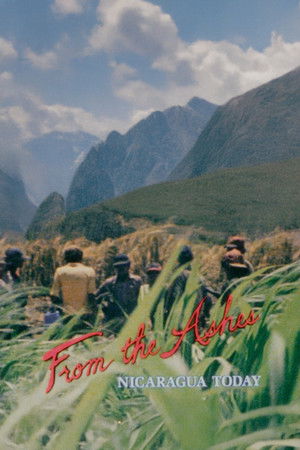
In this documentary portrait of post-revolutionary Nicaragua, director Helena Solberg follows the Chavarría family while examining the broader social and political changes following the 1979 overthrow of the Somoza dictatorship. Interweaving personal testimony with archival footage of U.S. intervention, revolutionary struggle, and national reform efforts, the film reflects on the hopes and tensions shaping the country’s future.
When a fellow Vietnam veteran is alleged to have thrown his lot in with the cocaine cartels, special commando Paul Gleason is dispatched to Nicaragua to sort out the mess.
The Nicaraguan revolutionaries, determined to overthrow the bloody dictatorship of Anastasio Somoza, enjoyed the semi-clandestine support of the Panamanian government and popular organizations from 1974 onward. Following the Sandinista Front's victory, which toppled a dynasty that had ruled for over 45 years, General Omar Torrijos visited that sister nation to strengthen ties between the two peoples.
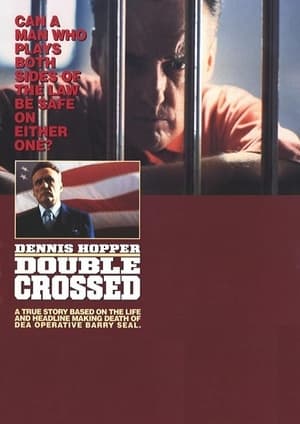
Based on a true story, this made-for-cable film tells about Barry Seal, a pilot who was a drug smuggler for the infamous Medellin cartel out of Colombia. He was caught by the US Drug Enforcement Administration (DEA) and decided to turn over and help the DEA break the cartel. However, he got caught in the middle of the Reagan/Bush administration efforts to topple the Nicaraguan government in the '80s, in which Nicaraguan rebels called "contras" were allowed to smuggle cocaine into the US in exchange for their fighting against the leftist Nicaraguan government. Eventually Seal was murdered by his former Medellin employers, and some critics say it was with the tacit, if not implicit, connivance of the US administration.