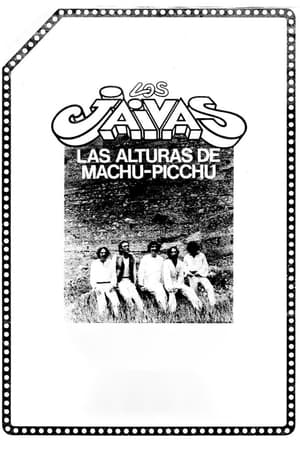
The historical musical made in the Inca citadel in 1981 with texts by Pablo Neruda and music of The Jaivas. Special Guest: Mario Vargas Llosa in the presentation.
A unique and transcendent conceptual documentary that, through a complex Chilean musical work, rescues the sense of identity that is passed down from generation to generation, rescuing fundamental pillars of literary and musical creation.
A valuable archival document showing how the musical "Las Alturas de Macchu Picchu" was made in 1981.
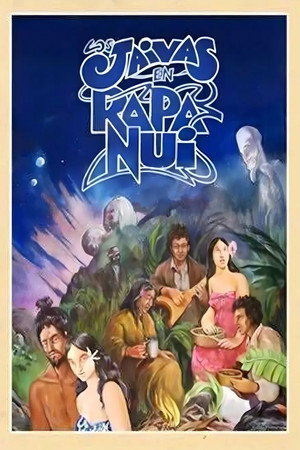
Los Jaivas played for the first time on Rapa Nui on May 5, 2006, fulfilling a long-held dream. José Luis Valenzuela, using this concert as the central focus of his narrative, juxtaposes it with domestic scenes, work scenes, timeless images, and breathtaking landscapes that evoke the first morning of the world, allowing us to share the band's experience of trying to understand this ancient culture.
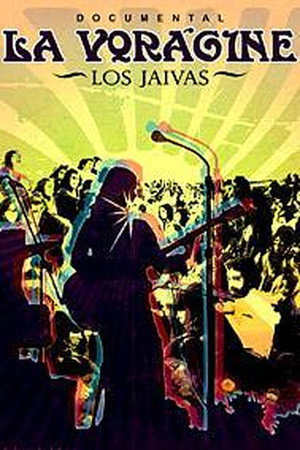
Los Jaivas are the most important rock band in the history of Chile. 55 years of music and friendship. Memories emerge note by note, song after song, tour after tour. An intimate portrait of their musical life where for the first time they share their archives that have been accumulated for years on the shelves of a small apartment in Santiago.
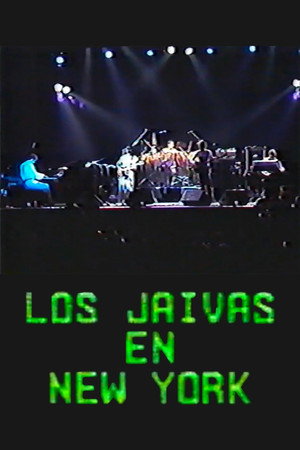
Los Jaivas en New York
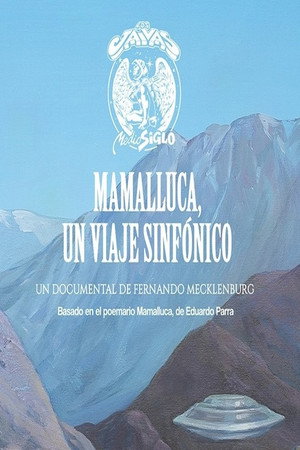
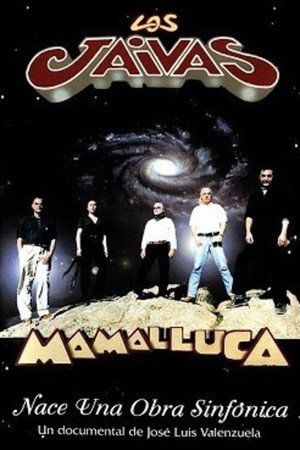
This documentary by José Luis Valenzuela meticulously follows each step in the evolution of the creative process of this fundamental work in the history of Los Jaivas, Mamalluca.
Five young men from Viña del Mar brought to life in the 1960s the most internationally renowned Chilean folk band. This documentary is a journey into the past, featuring testimonies from the members of Los Jaivas themselves about their early years, recalling their beginnings in the fusion of progressive rock and Latin American folk music.
Los Jaivas: Trilogía El Rencuentro
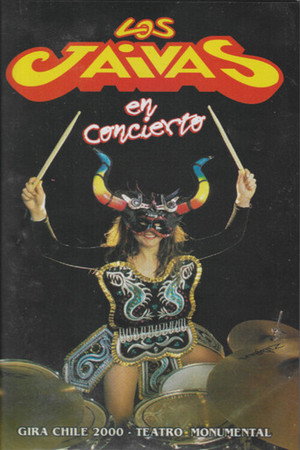
Los Jaivas concert at the Teatro Monumental, held on May 5, 2000. The closing of a great tour that the group carried out throughout Chile.
Documentary filmed in Neruda's homes with interviews with Los Jaivas, in which they recount how their work "Las Alturas de Macchu Picchu" was conceived and created and how they came to perform it in Macchu Picchu.
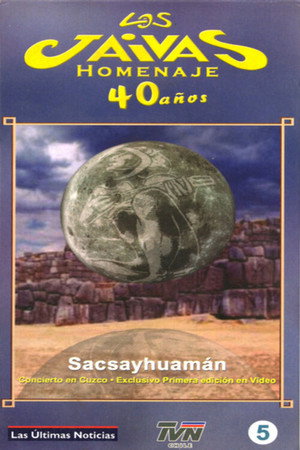
Nineteen years after recording "Las Alturas de Macchu Picchu", Los Jaivas returned to Cusco in March 2000 for an exclusive concert at the imposing ruins of Sacsayhuamán. Thirty thousand people gathered (braving the rain at times) to witness this magnificent spectacle, which also featured a thrilling and massive choreography. The reunion with their friends from the band "El Polen" fostered a sense of camaraderie that Los Jaivas have always cultivated in their songs. The work of filmmaker José Luis Valenzuela is particularly interesting, blending footage of the concert with images of the set, rehearsals, travel and stay in Cusco.
A historic concert by the progressive rock band Los Jaivas in Vancouver, Canada. Funded and televised by Shaw Cable 10.
On August 15, 2023, at the iconic Movistar Arena in Santiago, Chile, an unprecedented musical milestone was commemorated. Los Jaivas, Chile's longest-running fusion rock band, celebrated six decades of musical history in an event filled with emotion and unforgettable memories.
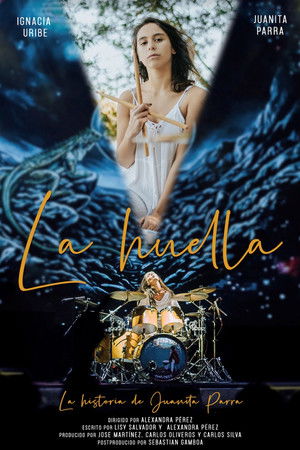
A documentary that mixes fiction with reality, telling the story of Juanita Parra, who reflects on how she entered Los Jaivas, the band where his father played in, after his death.
Los Jaivas take a symbolic train to celebrate their 60 years of musical life. A choral story where the protagonists narrate the intimacy in this journey of commemorations and obligatory stops throughout Chile connecting it with their music. The band together with other authorized voices reflect on the free and democratic circulation of Chilean cultural heritage, closing the year's tour with the realization of the mural in Cal y Canto station of the Stgo subway by René Olivares and the great final show at the Quinta Vergara in Viña Del Mar.
A young working class girl falls in love with an upper class boy who is part of the plot to assassinate General Schneider, head of the Chilean Army. The film was shot in 1973 over six weeks with a budget of $170,000. As a result of the 1973 Chilean coup d'état and military dictatorship (1973–1990), the film was presumed lost for many years and not released until 1992.
On May 20, 2017, Jérôme Laronze, a 37-year-old cattle farmer, was shot dead by gendarmes at the end of a nine-day run. In conflict with government services, the organic farmer, spokesman for the Confédération paysanne de Saône-et-Loire, had evaded yet another health inspection and, during his escape, had tried to alert people to the malaise in his profession. The news of his death came as a bombshell in a farming world already plunged into mourning by a wave of suicides. How did it come to this? While their incomes depend almost exclusively on European subsidies - which favor large farms - farmers must, in return, comply with very strict standards.
Obsessively referring to the traumas and wounds that the Spanish civil war (1936-39) and Franco's dictatorship (1939-75) caused in their day no longer serves to explain the impassable abyss of incomprehension and hatred that the abject policies and radical positions adopted by both the right and the left in recent decades have opened up before the citizens of a country that is barely known beyond hackneyed cultural clichés.
Natural disasters are now a reality even in Central Europe, which was previously thought to be safe - as the Ahr floods in 2021 made terrifyingly clear. One year later, the film reconstructs the events of July 14-15 in detail based on the stories of the people who experienced terrible things on the ground that night.