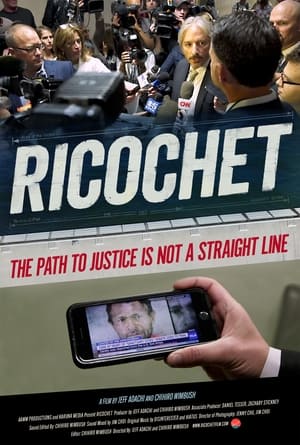
When a young woman is shot by an undocumented immigrant on Pier 14 in San Francisco, the incident ignites a political and media furor that culminates in Donald Trump’s election as President of the United States. In the eye of this storm, two public defenders fight to reveal the truth.
The story of the South Shore Resource and Advocacy Center, five survivors of domestic violence, and their experience in the Massachusetts justice system.
After seven years in prison, a female student in Tehran is hanged for murder. She had acted in self-defence against a rapist. For a pardon, she would have had to retract her testimony. This moving film reopens the case.
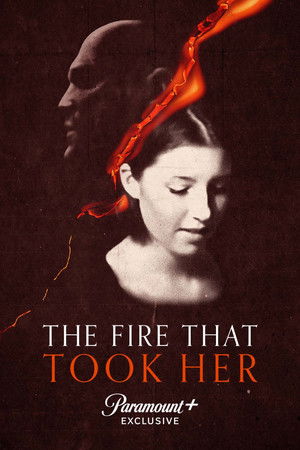
Mother-of-two Judy Malinowski, then 31, was doused in gasoline and set on fire by her crazed boyfriend – and one of the first ever to testify from beyond the grave, at the trial for her own murder. A story that lives at the intersection of true crime and #MeToo, THE FIRE THAT TOOK HER goes deep inside a landmark case to ask a timely question: How much must women suffer in order to be believed?
For over thirty years, three women have languished in Missouri State prison under unjust sentences for killing their abusive husbands. Denied the opportunity to enter the abuse into evidence, each of the women represents a system broken by outdated and media-sensationalized stereotypes. When a greater understanding of the "battered" syndrome change legal practices in 2000, Missouri's Governor crafts a new law demanding the parole board reevaluate each woman's case.
Shocking documentary centering on victims of violent crime who seek to get revenge on their assailants.
Scott Panetti was tried for the capital murder of his parents-in-law on September 8, 1992 in Gillespie County, Texas. He was subsequently sentenced to death on September 22, 1995. Panetti has an extensive history of mental illness, including schizophrenia, manic depression, auditory hallucinations and paranoia. Panetti was hospitalized, both voluntarily and involuntarily for mental illness fourteen times in six different hospitals before his arrest for capital murder in 1992. Following his conviction, Panetti’s former wife, and daughter of the victims, Sonja Alvarado, filed a petition stating that Panetti never should have been tried for the crimes as he was suffering from paranoid delusions at the time of the killings.
Three women in a re-entry house experience the reality of reintegration and attempt to acclimate to life after being released from incarceration and battling addiction.
Six years ago, Charity Jimohe left Nigeria for France. After ten months of forced prostitution to pay off a debt of 35,000 euros contracted with the traffickers who had brought her here, she walked through the door of a police station in Nantes to denounce the members of her prostitution ring.
An in-depth look at the culture of Los Angeles in the ten years leading up to the 1992 uprising that erupted after the verdict of police officers cleared of beating Rodney King.
NCR: Not Criminally Responsible tells the story of a troubled young man who stabbed a complete stranger 6 times in a crowded shopping mall while gripped by psychosis. Twelve years later, his victim, who miraculously survived, is terrified to learn that he's out, living in the community under supervision. He's applying for an absolute discharge, and if he succeeds, he'll no longer be required to take the anti-psychotic drugs that control his mental illness. With unprecedented access to the patient, the victim, and the mental institution, the film looks at both sides of the debate and puts a human face on the complex ethical issues raised.
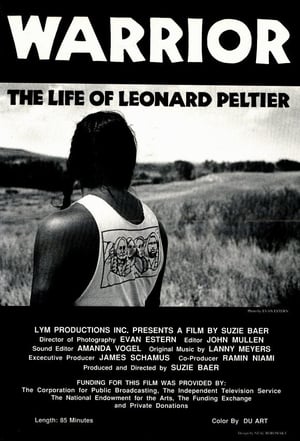
An intimate exploration of the circumstances surrounding the incarceration of Native American activist Leonard Peltier, convicted of murder in 1977, with commentary from those involved, including Peltier himself.
Fox Rich, indomitable matriarch and modern-day abolitionist, strives to keep her family together while fighting for the release of her incarcerated husband. An intimate, epic, and unconventional love story, filmed over two decades.
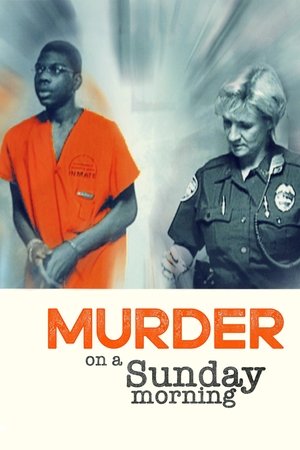
2001 French documentary about the murder trial of a 15 year old black teen accused of murder in Jacksonville, Florida. Winner of 2002 Academy Award for Best Documentary.
Edwin Debrow Jr. murdered a cab driver when he was 12. He was sentenced to 40 years in prison.
In prisons ruled by toxic masculinity, dancing is an absolute taboo. But at Lancaster’s A-Yard, near Los Angeles, a group of young men, willing to take a chance to be mocked in the yard, start a dance class led by French choreographer Dimitri Chamblas. This class quickly becomes an intoxicating escape from their grim reality so they decide to create a dance show. In this exceptional context, the inmates engage with overwhelming sincerity, evoking their childhood, ganglife, the crimes, the prison, and their desire for transformation. Beyond damaged lives and a prison system on the edge of the abyss, DANCING IN A-YARD explores redemption and the capacity of human beings to reinvent themselves, when given a chance. And more importantly, how art and introspection can help see the light.
This film deals with the administration of justice on the local level in Canada, as seen in the activities of Roderick Haig-Brown, fisherman, writer and magistrate in rural British Columbia. A portrayal of a few of the typical cases on his roster indicates the variety of criminal offences which come under the jurisdiction of a country magistrate's court. In showing the discharge of his responsibilities the film reveals the magistrate's important position in the community, the constant demands on his time, and the integrity of judgment required to uphold the law on the one hand and to act in executive restraint of police powers on the other. Based on parts of the book Measure of the Year by Roderick Haig-Brown.
Kim Kardashian West works to shine a light on stories of people she believes have paid their debt to society while also bringing awareness to America’s growing problem with mass incarceration.
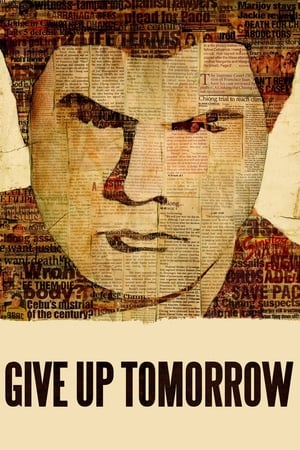
When a teenager from a political family in the Philippines is accused of a double murder, the country’s entire judicial system is put to the test after years of alleged corruption.
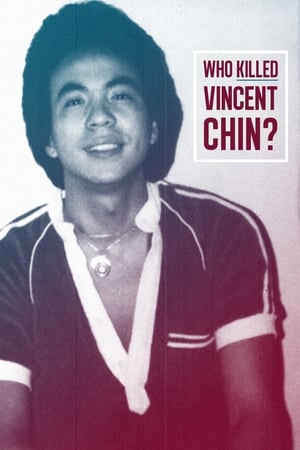
This film recounts the murder of Vincent Chin, an automotive engineer mistaken as Japanese who was slain by an assembly line worker who blamed him for the competition by the Japanese auto makers that were threatening his job. It then recounts how that murderer escaped justice in the court system. Restored by the Academy Film Archive and The Film Foundation, in association with the Museum of Chinese in America. Restoration funding provided by the Hobson/Lucas Family Foundation, with additional support provided by Todd Phillips.