“Promotes trade with Britain among other countries in the European Community after the UK's entry on 1st January 1973. Kelloggs is given as an example of how major British companies worked at this period.” - Robin Carmody.
Second part of a two-part documentary about the now largely defunct network of local railways in the areas around Erlangen and Forchheim, Germany.
When a business tycoon allows himself to be 'snared' into seeing some films in a railway traffic manager's office, there must be a reason for it. In this case, it's a particularly giant-sized transport problem. But before he's convinced that the railways can help him solve it, there is an atmosphere of battle in the room, and some interesting and unexpected facts are hurled about in the course of the argument. Made to promote the use of railways to transport raw materials and finished products.
A British Transport Film, in German!
De l'eau dans le gasoil
Exploring Moscow and paying tribute to Laika, the first dog in space.
Overview of the 1958 British Grand Prix by Shell-Mex and BP. Wonderful 1950's colour film
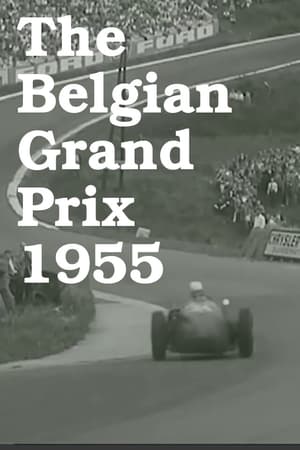
An overview of the 1955 Belgian Grand Prix by Shell Oil. Watch the racing heroes of the 1950's conquer the tarmac in one of the picturesque racing circuits of Europe.
In 1968, a convoy set off to transport a Calandria, the 70-ton core of a Canadian nuclear reactor, to Rajasthan in India. Even the largest semi-trailers could not keep up with this transport, which drove over specially reinforced roads and through city walls that had been demolished to make room.
One day, the tree is considered mature. In any case, it is exploitable for the industry. So, we mark it and then cut it down. With the chainsaw or the harvester, it depends. And then it becomes biomass, pallets, panels, pellets, crates, paper pulp for printing promotions. But what profit does man get from the pains he takes under the sun?
This short documentary examines the complex range of issues affecting urban transport in developing countries. After examining cost and available technology, as well as the different needs of the industrialized middle class and the urban poor, the film proposes some surprising solutions.
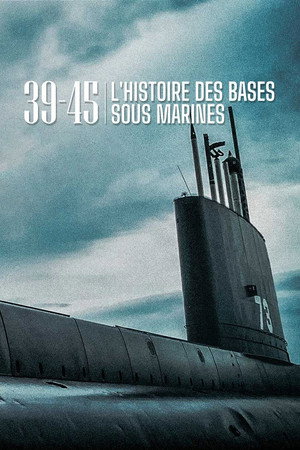
39-45 L'histoire des bases sous-marines
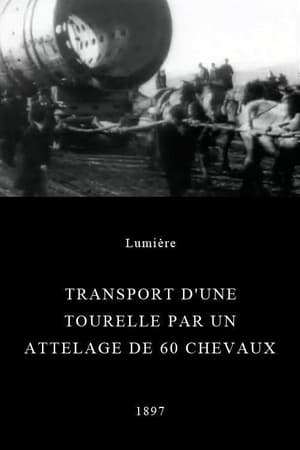
A very heavy turret is transported on a truck drawn by a long line of horses. The inscription “Charlemagne 53790K” readable on the turret suggests that this view was shot in the vicinity of Saint-Chamond, a town where there are factories specializing in the construction of heavy steel. It is certainly a turret intended for the battleship “Charlemagne”. In addition, a view projected by the Aléthorama on January 20, 1898 in Saint-Étienne, and entitled “Transportation of the armored turret of Saint-Chamond by a team of 80 horses”, could represent the same event.
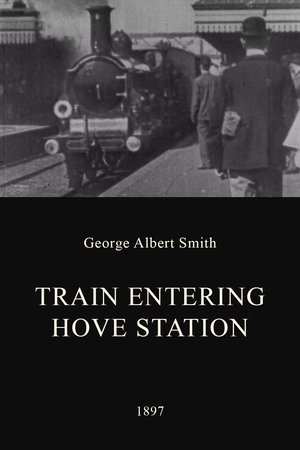
Most movie fans know that the first filmmakers liked to shoot trains entering stations. This example by Sussex film pioneer George Albert Smith illustrates why. The train's rush towards the audience brings movement and visual drama. The flurry of human activity offers plenty for the audience to engage with - who are these people and where are they going? And the time pressure exerted by the fact that the train must soon depart adds narrative tension - will everyone get on and off in time?
Zina left Algeria to fulfill her childhood dream of driving trucks. At every turn, her cabin becomes a space of freedom and the highway a battlefield.
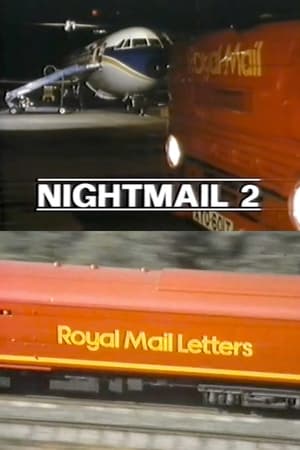
An updated version of the classic 1936 "Night Mail", this time using an aeroplanes and vans as well as trains, and with poetry by Blake Morrison.
A staged film where over 100 cyclists cycle towards the camera.
1903, cinematography by Frank Ormiston-Smith.
1904, cinematography by Frank Ormiston-Smith.
1. Mooring Cattle on Barges. Preparatory to shipping them to Constantinople. 2. Taking Cattle off to the Steamer. Towing the laden barges through the harbor. 3. Hoisting the Cattle on Board. The cattle being slung by legs and horns from the barges to the liner.