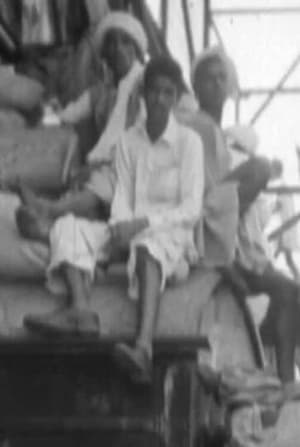
Millions of Muslims flee to Lahore in the newly created state of Pakistan, prompted by the partition of British India.
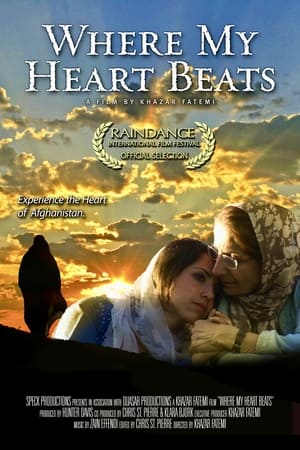
In 1989, Swedish journalist, Khazar Fatemi narrowly fled the war torn country of Afghanistan with her life. Twenty years later, the former refugee returned to the place that has always remained in her heart. Where My Heart Beats follows Khazar's dangerous, painful, and inspirational journey back home to reconnect with the amazing people of this broken nation.
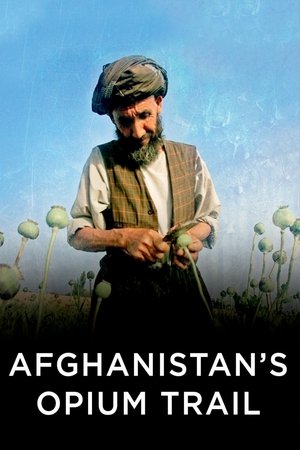
Over 90% of the world's opium now comes from Afghanistan. In this shocking new film, we ride the drugs caravan, from cultivation, to process, to market. On route, we lift the curtain on the hidden world of the drug barons; learn how to process heroin in the crudest of laboratories and encounter deadly gunfights on the Iranian border.
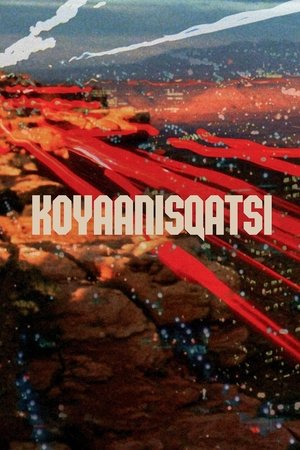
Takes us to locations all around the US and shows us the heavy toll that modern technology is having on humans and the earth. The visual tone poem contains neither dialogue nor a vocalized narration: its tone is set by the juxtaposition of images and the exceptional music by Philip Glass.
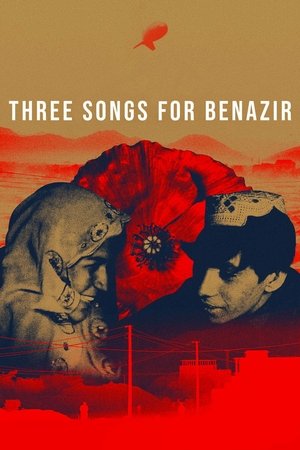
The story of Shaista, a young man who—newly married to Benazir and living in a camp for displaced persons in Kabul—struggles to balance his dreams of being the first from his tribe to join the Afghan National Army with the responsibilities of starting a family. Even as Shaista’s love for Benazir is palpable, the choices he must make to build a life with her have profound consequences.
Exploration of the ordinary lives led by women of different classes—a college professor, an unmarried woman, and a seasoned drama artist. They unveil the societal intricacies woven into their social backgrounds, with typical evening talks besides them. Gripping tales of yore immersed in the metaphorical embrace of their surroundings, their familial shelters are emblematic of resilience and protection, where profound truths lie hidden within the depths of the commonplace.
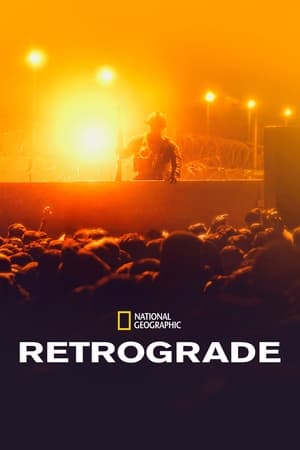
The story of the last months of the 20-year war in Afghanistan through the intimate relationship between American Green Berets and the Afghan officers they trained.
On August 15, 2021, Afghanistan descends into chaos. In one day, the completion of the withdrawal of Western forces precipitated the debacle of the regime in place: the army vanished, the leaders fled and the Taliban took Kabul without a fight. The great Central Asian country opens a new chapter in its tragic history, twenty years after the "war on terror" launched by George W. Bush in response to the attacks of September 11, 2001. The undisputed masters of 40 million trapped Afghans, the "students of religion" are back and are savoring their revenge by posing as the United States' victors. Their program will surprise no one: to restore the Islamic emirate and set up the "true" sharia, i.e. a perfect world, with divine commandments applied to the letter as in the time of the prophet.
MARCIANO
Con Traje y Sin Zapatos
Arte-Ato
Kang Aries and Kang Oca are two cultural observers of Kujang who try to provide a justification perspective on the Kujang Philosophy made by one of the blacksmiths named Abah Jajang, where the general public often considers that Kujang is a sharp weapon. The two of them "Kang Aris & Kang Oca" entered the realm of the trial to defend the essence of Kujang, so as not to be considered misunderstood by the general public.
Ensaio
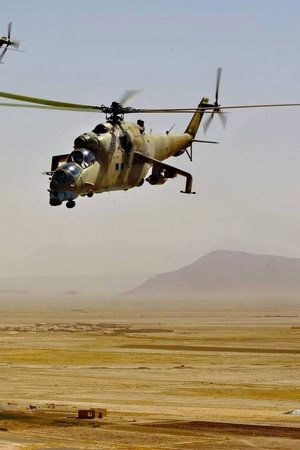
10 years of continuous combat operations in Afghanistan. Around half a million of soviet military men went through this war. more than 14,000 soldiers and officers gave their lives fulfilling the international duty. more than 50 thousand were wounded. the wound inflicted by this war on an entire generation has not healed even 30 years later. there have been many attempts to tell the story of this war. but it is quite another thing to see it through the eyes of commanders. there were seven of them in those ten years. the legendary commanders of the 40th army, a magnificent seven who accomplished the impossible.
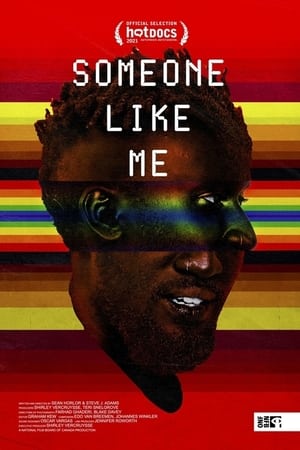
After 11 strangers unite to help a gay youth escape life-threatening violence in Uganda, the unexpected pandemic and conflicting opinions over his best interests test the limits of their commitment and jeopardize his fresh start in Canada.
A day in the city of Berlin, which experienced an industrial boom in the 1920s, and still provides an insight into the living and working conditions at that time. Germany had just recovered a little from the worst consequences of the First World War, the great economic crisis was still a few years away and Hitler was not yet an issue at the time.
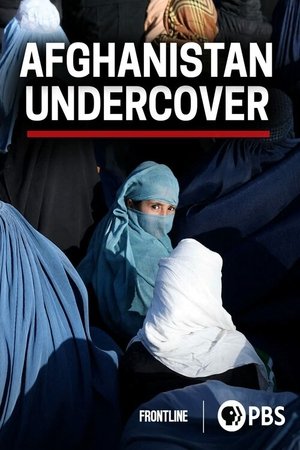
An undercover investigation focuses on the Taliban's crackdown on women in Afghanistan.
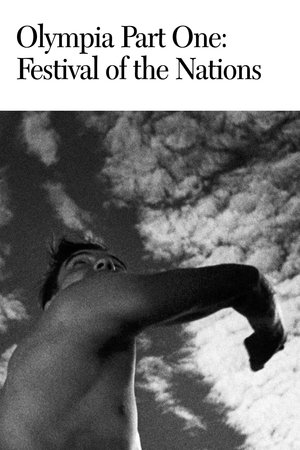
Starting with a long and lyrical overture, evoking the origins of the Olympic Games in ancient Greece, Riefenstahl covers twenty-one athletic events in the first half of this two-part love letter to the human body and spirit, culminating with the marathon, where Jesse Owens became the first track and field athlete to win four gold medals in a single Olympics.
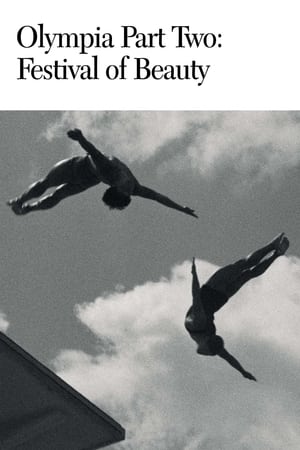
Part two of Leni Riefenstahl's monumental examination of the 1938 Olympic Games, the cameras leave the main stadium and venture into the many halls and fields deployed for such sports as fencing, polo, cycling, and the modern pentathlon, which was won by American Glenn Morris.
Aïcha is 59. She's been through some hard times. She decided to turn to helping others. Seeing firsthand the government's lack of support, she tries in her own way to remedy the lack of care for refugees. She dedicates the majority of her time to helping refugees in the greater Paris area, first as part of the "Solidarité Migrants Wilson" organization operating in the suburbs north of Paris, then in the nonprofit she founded, "la Team du Coeur", with the help of one of her daughters, her son-in-law, a Sudanese refugee himself, and a friend. Together, they offer on-street support and enter refugee camps daily to talk, provide material support and a listening ear.