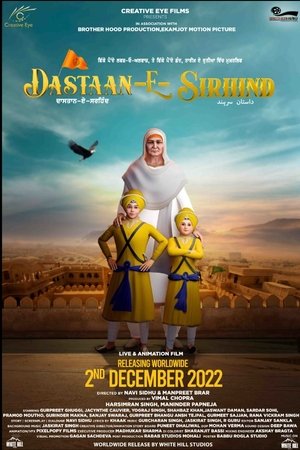
In 1908, eighth grader Alma Richards quits school to work as a ranch hand. A chance meeting with a professor motivates him to resume his education, leading him to compete in high jump at the Stockholm Olympics and win a gold medal.
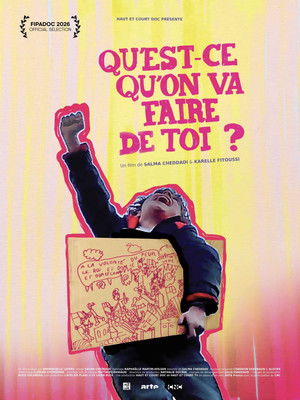
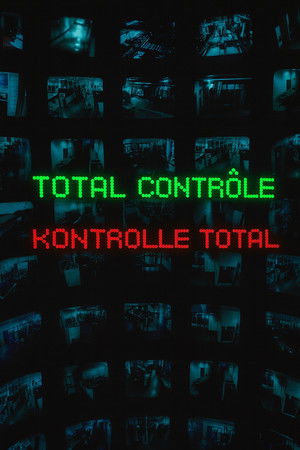
After delivery of a parcel, on leaving a restaurant, hotel or train, or following an exchange with the customer service department of your telephone operator, the same request: to rate. On a scale from 0 to 10, embellished with colors, or by awarding pretty, playful little stars. A simple, mechanical and painless action for the rater. But behind this harmless gesture lies a brutal management system, operated directly by the customer, without their knowledge. Even more worrying: without knowing it, we are all being rated, to feed the algorithms of opaque companies that claim to be able to predict the future. The film questions this invasion of rating systems, and the consequences of this practice for our individual realities and collective freedoms.
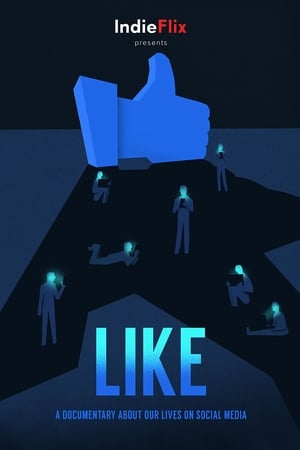
Why do people vent such toxic opinions online? Filmmaker Kyrre Lien spent three years travelling the world to find out who these anonymous ‘internet warriors’ are and why they do it.
Inceste, le dire et l'entendre
Follow in the footsteps of burlesque actor Pierre Richard, a key figure in French cinema in the 1970s and 1980s.
How have the changing views on children been reflected in their representation in art? From Baby Jesus to the first photographic portraits, an exploration of six centuries of art history through the prism of childhood.
Hannah, Laure, Adrien, and Halima are students at the Regional Institute of Social Work in Paris. Four students among the fifty in the first year of training to become educational support workers. They chose this profession out of commitment and vocation. Between the classroom and their field placements, they will confront their dreams and ideals with the realities on the ground, discover new sides of themselves, and begin to shape the contours of the profession they will practice—each in their own way.
: Music and its History
Openland is an art film guided by issues surrounding micro states and its derivative definitions. Through intertwining interviews, meta-narratives, and digital landscapes, Openland unfurls a dialogue between consciousness, individuality and collectivity.
A short documentary chronicling the liquor-drenched final night of A Grand Mockery (2024)'s theatrical run in New York.
This is not just a “folkumentary”, but an invitation to reflect on the future of humanity on a planet where tradition and technology coexist, and where the unknown reminds us that there are still unanswered questions.
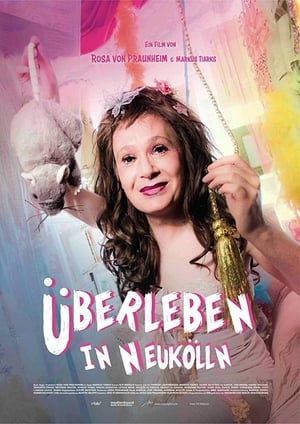
About Stefan Stricker, who calls himself Juwelia and has been running a gallery on Sanderstraße in Berlin Neukölln for many years. Every weekend he invites guests to shamelessly recount from his life and to sing poetic songs written with his friend from Hollywood Jose Promis. Juwelia has been poor and sexy all her life, has always struggled for recognition, but only partially.
A destitute Frank Sinatra pursues sultry starlet Ava Gardner while campaigning for the lead in 'From Here to Eternity'.
Lego : Les 30 constructions les plus incroyables
New York, 2010. Jeff Harris, a music journalist, sets out to uncover the truth about Francisco Tenório Júnior, a young Brazilian samba-jazz pianist who disappeared in Buenos Aires on March 18, 1976.
"TDS, derrière l'écran des travailleuses du sexe" is a deep dive into the lives of Betty, Anaïs, Noochka, Manon, and Barty. They have all ventured into the world of selling sexual content online. What pushes someone to take the step of signing up on these platforms? What are their motivations? What are the consequences on their personal lives? Why do some choose to stick with it for years, while others decide to stop for good?
The turbulent life of soul and blues singer, the late Joe Cocker. A former gas fitter from Sheffield, catapulted to world stardom in 1969 at Woodstock with his legendary performance of the Beatles song, "A Little Help from My Friends". But in the early 1970s, Joe Cocker's inner demons nearly killed him. Overcoming his struggles with alcohol and drugs, he rebuilt his reputation as "one of the great primal rock and roll vocalists of all time" (Billy Joel's description). The film mixes Joe Cocker's own words, with rare archive. His wife (Pam Cocker) & family, friends and the legendary songwriters and musicians he collaborated with, tell Joe Cocker's story. The film has raw, historic, electric performance footage throughout. Extensive interviews of key people through his life include: Pam Cocker, Ben Fong-Torres (Rolling Stone magazine editor), Randy Newman, Jimmy Webb, Billy Joel, Rita Coolidge, Deric Dyer, Glyn Johns, and numerous others.
A fake interactive program clip created from numerous images filmed during the recording of the album "Chansons des mers froides". It was intended to represent what a CD-ROM (reflecting the times) on the subject might have been.
What if we changed viewpoints? "Bullying, our lives after" highlights the suffering of adults who were once bullied pupils. Ten, twenty or thirty years later, trauma is still present. Following Nathalie, Laurine and Samuel, this movie shows the long-term implications of bullying, pointing out a real failure of the educational institution and a major public health issue.
Ivory Coast, the Democratic Republic of Congo, and Senegal – when it comes to love and sex, these African countries are caught between tradition and modernity.